




The Science of Muscle Repair
Every time you lift weights or push through a hard run, you create tiny microscopic tears in your muscle fibres. This is a normal part of getting stronger. The magic happens during recovery, when your body repairs these tears, building the muscle back
bigger and stronger than before. This process is called muscle protein synthesis (MPS). To do this effectively, your body needs one crucial ingredient: protein. Protein is made up of building blocks called amino acids. When you consume protein after a workout, your body breaks it down into these amino acids and shuttles them to your muscles to begin the repair job. Think of it as a construction crew arriving with all the necessary materials to rebuild a structure, but better.
Tofu: The Complete Protein Powerhouse
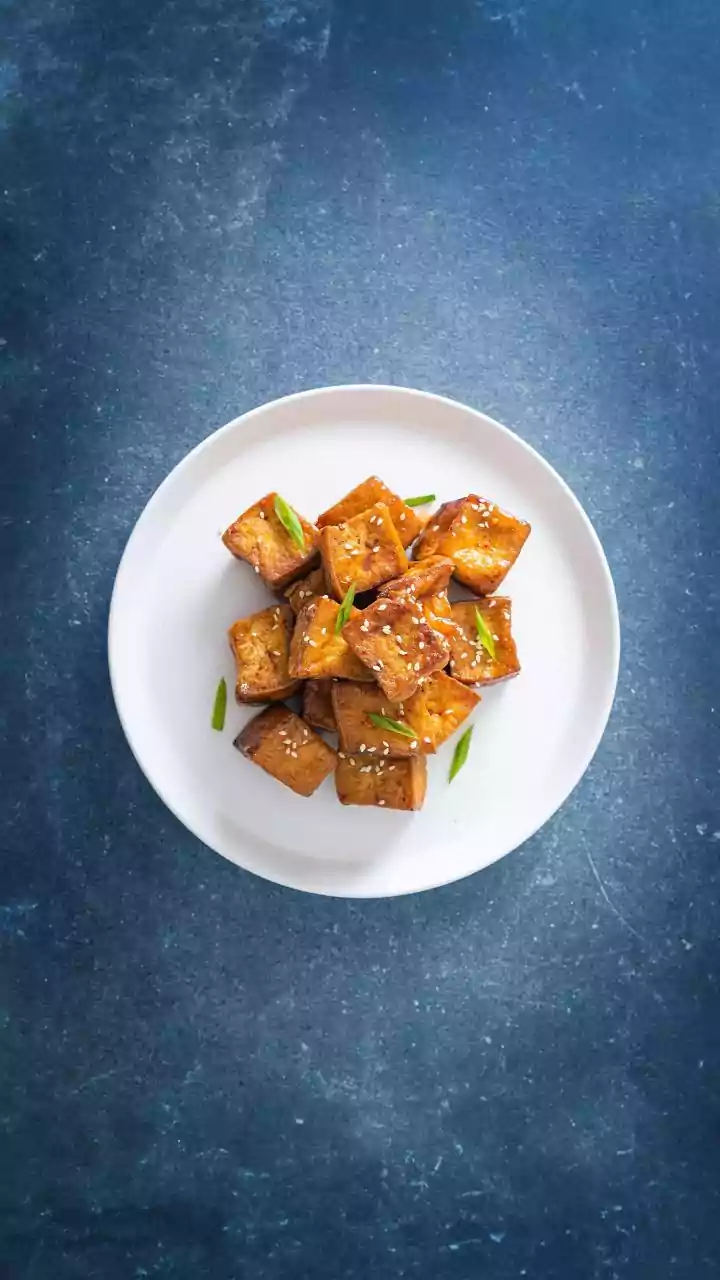
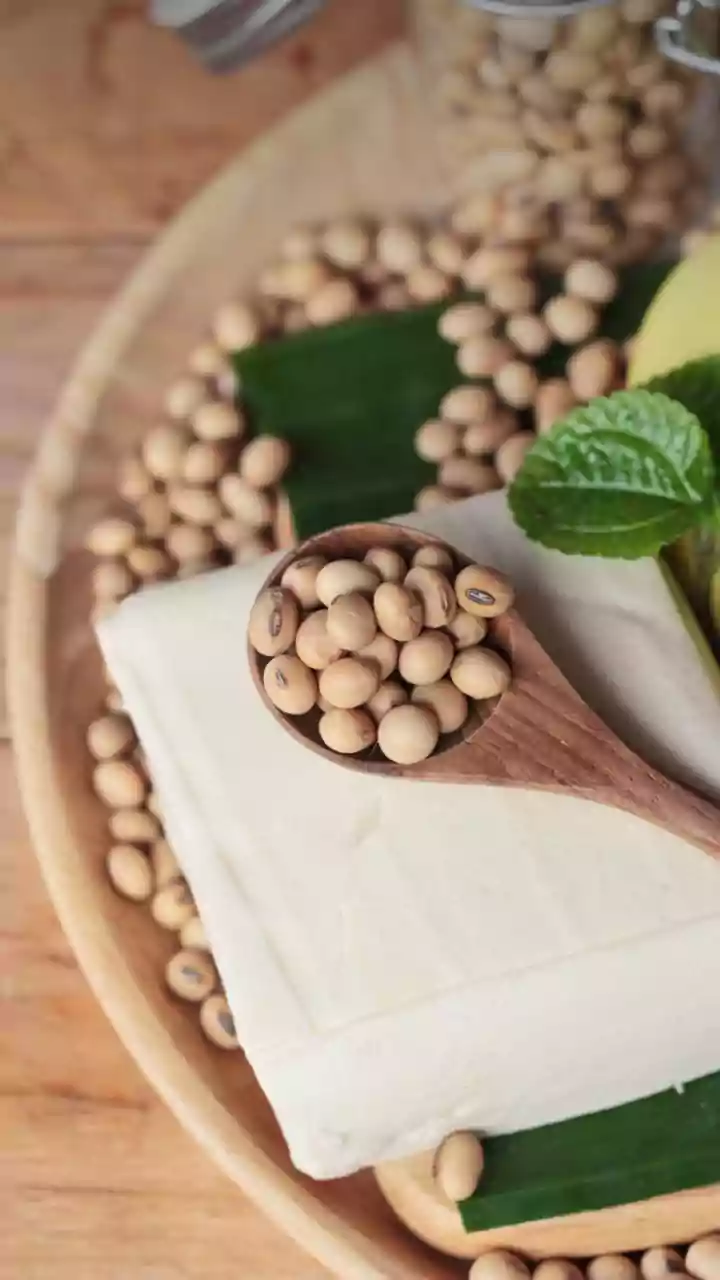
Tofu, made from soybeans, is one of the stars of the plant-based protein world. A key reason is that soy is a 'complete' protein, meaning it contains all nine essential amino acids that your body cannot produce on its own. These are the non-negotiable building blocks required for muscle repair. A single serving of tofu can provide a significant amount of protein to kickstart recovery. For example, a 100-gram serving of firm tofu contains around 17 grams of protein. Its versatility is another major plus; firm tofu can be scrambled like eggs, baked into crispy cubes, or blended into smoothies, easily absorbing the flavours of whatever you cook it with.
Lentils: The Nutrient-Dense Restorer
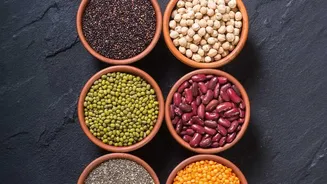
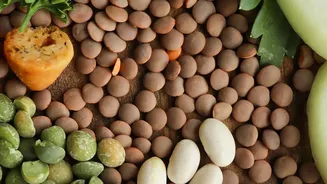
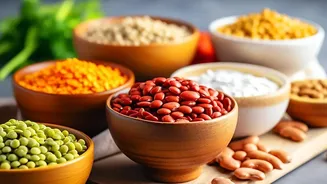
Lentils are another fantastic option for post-workout recovery. While technically not a complete protein on their own because they are lower in certain amino acids like methionine, this is easily solved by pairing them with a grain like rice. This combination creates a complete amino acid profile, giving your muscles everything they need. A cup of cooked lentils provides about 18 grams of protein and is also packed with fibre. This high fibre content can help with a more sustained release of nutrients, supporting prolonged muscle protein synthesis and energy stability. Plus, lentils are an excellent source of iron, which is crucial for energy and oxygen transport to your muscles.
The Role of Leucine
Not all amino acids are created equal when it comes to muscle building. One in particular, called leucine, acts as the primary trigger for muscle protein synthesis. While many plant proteins have slightly less leucine than animal proteins like whey, you can still easily stimulate muscle growth. Studies show that as long as you consume an adequate amount of protein overall, plant-based sources are just as effective for building muscle mass and strength. For instance, you might need a slightly larger serving of plant protein to hit that optimal leucine threshold, or simply focus on leucine-rich plant sources. Soy products like tofu and tempeh are good sources of leucine. Combining different plant proteins, like in a pea and rice protein blend, can also ensure you get enough.
How Much Protein and When?
To maximise your recovery, timing and quantity matter. Most research suggests consuming 20 to 40 grams of protein within a couple of hours after your workout. This window is when your muscles are most receptive to the nutrients needed for repair. A post-workout meal could be as simple as a large lentil curry with brown rice or a smoothie made with silken tofu, fruit, and a splash of soy milk. The key is consistency. Ensuring you get enough protein not just after your workout, but distributed throughout the day, is essential for supporting your fitness goals and overall health. Aiming for 25 to 30 grams of protein at each meal can help maintain a steady supply of amino acids for your body to use.