




Beyond a Universal Model
For years, Western nutritional models like the food pyramid or 'MyPlate' have been the global standard. India's own National Institute of Nutrition (NIN) has developed a 'My Plate for the Day' guide to help Indians make balanced choices. This model helpfully
recommends that half the plate should be vegetables and fruits, with the other half comprising cereals, pulses, and healthy fats. However, research comparing average Indian diets to global recommendations, like the EAT-Lancet reference diet, reveals significant gaps. Studies show Indians consume an excess of cereals but not enough protein, fruits, or vegetables. This isn't just about individual choices, but a systemic issue involving awareness, availability, and affordability. A rigid, universal plate simply cannot account for the vast complexities of Indian life.
Eating for the Indian Climate
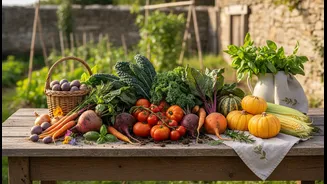
India is a continent-sized country with a staggering diversity of climates, from the cold Himalayan highlands to the tropical heat of the south. Traditional Indian food wisdom has always been deeply connected to this reality. The Ayurvedic concept of 'hot' and 'cool' foods, for instance, guides seasonal eating to maintain body balance. In the sweltering summer months, cooling foods like cucumber, curd, and melons are preferred, while in winter, warming foods like bajra (pearl millet), ginger, and sesame become staples. Dietary needs in coastal Kerala, where fish and coconut are plentiful, are vastly different from those in arid Rajasthan, where durable lentils and millets form the dietary backbone. An effective dietary guideline must therefore be flexible, promoting locally available, seasonal produce that is naturally suited to the region's climate. This not only ensures better nutrition but also supports local farmers and reduces the carbon footprint associated with transporting produce over long distances.
The Cultural Soul of Food
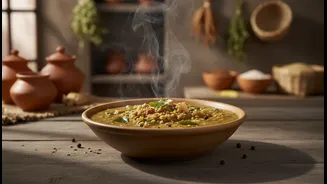
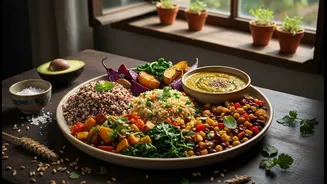
In India, food is never just about nutrients; it is deeply woven into the fabric of culture, religion, and community. Festivals are defined by specific dishes, from the sweet 'gujiya' during Holi to the rich 'biryani' savoured during Eid. Regional cuisines are a matter of immense pride, each with unique ingredients and cooking methods passed down through generations. The primarily plant-based diets followed by a large portion of the population are influenced by religious and cultural traditions. A healthy eating plan that dismisses these traditions is doomed to fail. Instead, it should embrace them. The traditional Indian thali, with its small portions of various dishes—dal, sabzi, roti/rice, curd, and a pickle—is an inherently balanced concept. Rather than asking people to abandon their culinary heritage for foreign 'superfoods', a better approach is to show how a traditional meal can be optimised for health: perhaps by using whole grains, reducing oil, and increasing the vegetable component.
A Plate That Fits the Pocket
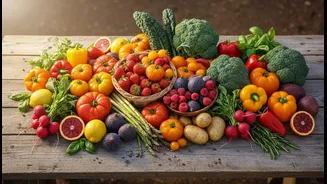
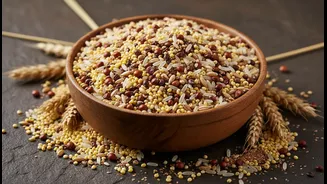
For any nutritional advice to be practical, it must be affordable. Many popular diet trends promote expensive, often imported, ingredients that are out of reach for the average Indian household. However, the Indian kitchen is already full of budget-friendly nutritional powerhouses. Pulses and legumes like lentils, chickpeas, and kidney beans are excellent and affordable sources of protein. Seasonal vegetables and local greens provide essential vitamins and minerals at a low cost. Millets like ragi and jowar are not only nutritious but also resilient crops suited to Indian agriculture. India's dietary guidelines already emphasize plant-based proteins, which gives them a lower carbon footprint compared to many Western diets. Government initiatives that aim to improve the affordability of nutritious foods, such as including pulses and millets in the Public Distribution System, are crucial steps. A truly sustainable diet is one that doesn't strain the household budget.
Designing the Real Indian Plate
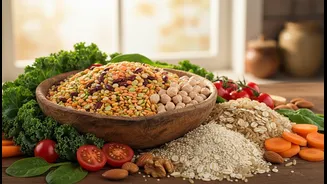
The ideal Indian plate is not a rigid prescription but a flexible framework. It builds on the foundation laid by the NIN's 'My Plate for the Day', which advises a plate composed of 42% cereals, 14% pulses, 11% milk/curd, 9% vegetables, and smaller portions of fruits, nuts, and fats for a 2000 Kcal diet. But it adapts these principles with local wisdom. For someone in Punjab, this might mean whole wheat roti with sarson ka saag and a glass of lassi. In Bengal, it could be rice with macher jhol (fish curry) and seasonal greens. The key is in the principles: prioritise diverse, seasonal vegetables and fruits; include a source of protein in every meal, like dal, paneer, or eggs; choose whole grains and millets over refined flour; and use fats and oils in moderation. It’s about celebrating, not replacing, our diverse culinary heritage to build a healthier future.