
The Moon's Most Precious Resource
When we think of water, we think of life support, and for good reason. For astronauts at a future Artemis base camp, it means drinking water and a source of breathable oxygen. But the value of lunar water extends far beyond basic survival. It represents
a fundamental shift in the economics of space travel. The heaviest part of any deep space mission is its fuel. Water (H₂O), however, can be split into its component parts: hydrogen and oxygen. When cryogenically cooled into liquids, these two elements form a potent rocket propellant. By creating fuel on the Moon, we effectively create a cosmic refueling station. This practice, known as in-situ resource utilization (ISRU), means future missions could launch from Earth with less fuel, making them lighter and cheaper, or travel much farther, like to Mars. Suddenly, the Moon isn't just a destination; it's a critical logistics hub for the solar system.
Hunting for Ice in Eternal Darkness
Lunar water isn't sloshing around in lakes. It's locked away as ice, mixed with lunar soil (regolith) in some of the most extreme environments in the solar system: permanently shadowed regions (PSRs) near the lunar poles. These are craters and depressions that haven't seen direct sunlight in billions of years, creating 'cold traps' with temperatures plummeting below -230°C. Data from missions like NASA's Lunar Reconnaissance Orbiter and India's Chandrayaan-1 have confirmed the presence of this ice, but to use it, we need to know exactly where it is, how much is there, and how pure it is. This is where NASA's robotic prospectors come in. These missions are designed to venture into the dark, frigid craters to create the first true resource maps of another celestial body. This information is essential before committing to the complex and expensive task of setting up a full-scale mining operation.
The Toolkit for a Lunar Gold Rush
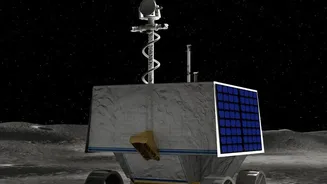
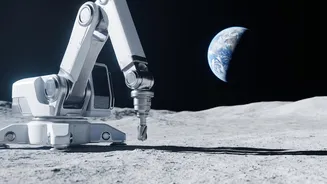
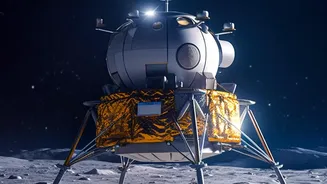
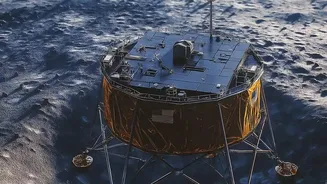
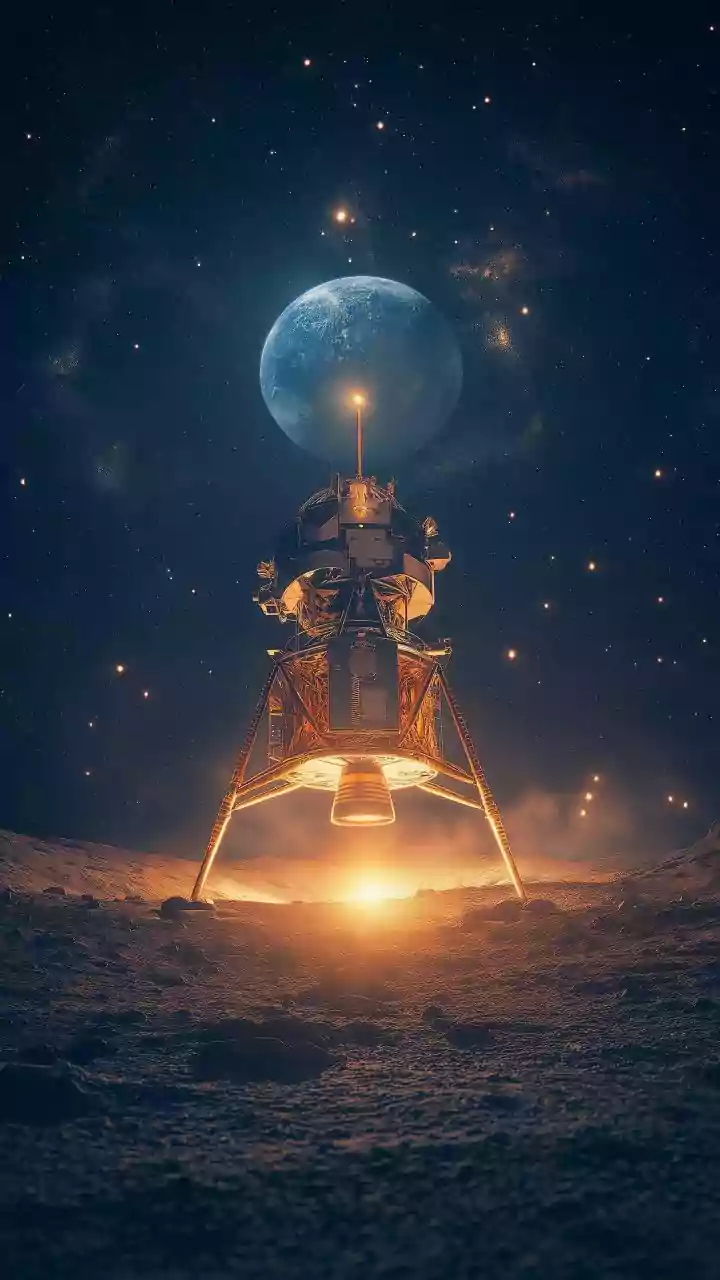
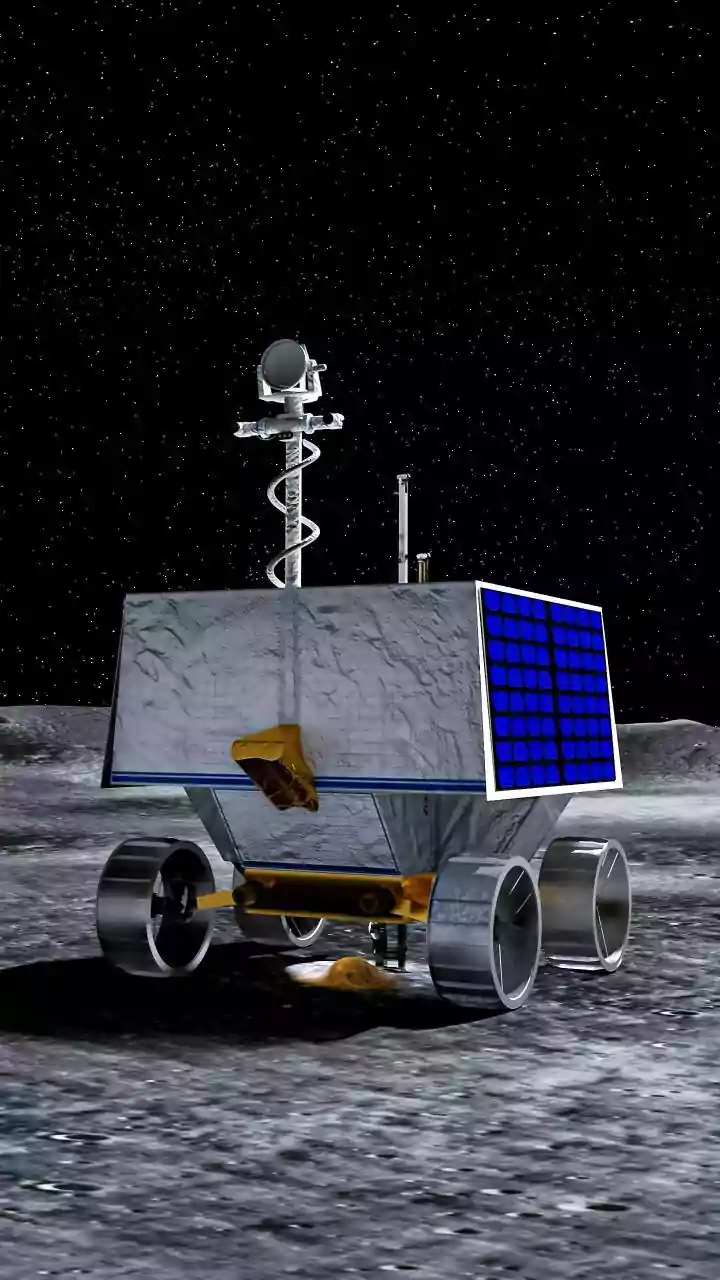
NASA is developing a suite of sophisticated tools to find and extract this frozen treasure. A key early mission is the Polar Resources Ice Mining Experiment-1 (PRIME-1). This stationary payload, delivered by a commercial lander, features two main instruments: a drill called TRIDENT (The Regolith and Ice Drill for Exploring New Terrain) and a mass spectrometer called MSOLO (Mass Spectrometer for Observing Lunar Operations). TRIDENT is designed to drill up to a meter into the tough lunar surface, bringing up small samples of soil. MSOLO will then analyze the gases released from these samples to measure the amount of water and other volatile compounds. The lessons learned from PRIME-1 will inform a more ambitious mission: the Volatiles Investigating Polar Exploration Rover, or VIPER. This golf-cart-sized rover will roam the south pole for about 100 days, using its own drill and spectrometers to map the distribution of water ice both on the surface and below, creating a detailed guide for future extraction sites.
From Buried Ice to Breathable Air and Fuel
Once the ice is located and excavated, the process of turning it into useful resources begins. The mined ice-rich regolith would be heated in a contained environment. This will cause the water ice to turn directly into vapor, a process called sublimation, leaving the dry soil behind. This water vapor is then captured and condensed back into liquid water. After purification, the water is ready for two critical jobs. A portion will be used for life support at the Artemis Base Camp. The rest will be sent to an electrolysis plant. By passing an electric current through the water, it splits the molecules into hydrogen and oxygen gas. These gases are then captured and cooled to cryogenic temperatures, turning them into liquid oxygen and liquid hydrogen—the same powerful rocket fuel that has powered missions for decades. This on-site production is the cornerstone of making the lunar base self-sufficient.
A Stepping Stone for Human Survival
The headline's claim of ensuring "long-term human survival" is bold, but it points to a crucial truth. Establishing a self-sustaining presence beyond Earth is a key step in safeguarding humanity's future. The Artemis Base Camp, powered by lunar water, is more than just a scientific outpost; it's a proving ground for the technologies and strategies needed to live and work on another world. By learning to live off the land on the Moon, we develop the capabilities required for the even more challenging journey to Mars. A lunar base with its own water, air, and fuel dramatically reduces our dependence on Earth, making long-duration missions more feasible and affordable. This infrastructure transforms the Moon from a place we visit into a sustainable foothold in the cosmos, a vital step toward becoming a multi-planetary species and ensuring our story continues, no matter what happens on our home planet.