

Millets Over White Rice
Once considered a humble grain, millets like ragi, jowar, and bajra are making a major comeback. Their revival is fuelled by a desire for healthier, gluten-free alternatives to polished white rice. Packed with fibre and boasting a low glycemic index,
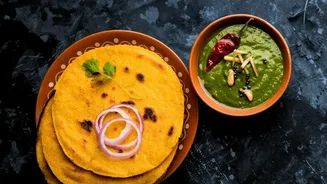
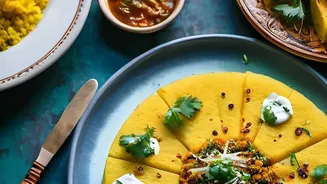
millets are praised for their role in managing blood sugar. This trend is supported by government initiatives and a growing consumer focus on sustainable, climate-resilient crops. From millet dosas to jowar rotis, these ancient grains are being seamlessly integrated into daily meals.
Quinoa as a Rice Alternative
Another challenger to the reign of rice is quinoa, a South American superfood that has firmly planted its roots in urban Indian diets. Valued for being a complete protein containing all nine essential amino acids, it's a popular choice among the health-conscious. The market for quinoa in India is growing rapidly, with consumers using it in salads, upma, and even as a substitute for rice in pulao. Its gluten-free nature and high fibre content are key drivers of its adoption.
Plant-Based Milks vs. Dairy
The dairy aisle looks different these days. Almond, soy, and oat milks are becoming increasingly common alternatives to traditional cow's milk. This shift is driven by a rising awareness of lactose intolerance, coupled with ethical and environmental concerns. The plant-based milk market in India is projected to grow significantly, as more brands enter the space and products become more widely available in cafes and supermarkets. Soy milk currently leads the market due to its affordability and established presence.
Greek Yogurt Instead of Dahi
While homemade dahi is a cornerstone of Indian meals, Greek yogurt is gaining favour, especially among fitness enthusiasts. The primary difference is the straining process, which removes excess whey, resulting in a thicker yogurt with almost three times the protein. This higher protein content makes it more filling, aiding in weight management. While dahi is praised for its wider variety of probiotics and affordability, Greek yogurt's creamy texture and protein punch have carved out a niche in the health food segment.
Avocado Over Butter
Avocado toast may be a global phenomenon, but the fruit's influence in India now extends far beyond breakfast. With its creamy texture and load of healthy monounsaturated fats, it is being used as a substitute for butter on toast and even makkhan in some preparations. Once a rare and expensive import, avocado consumption is surging across India, with imports rising dramatically and domestic cultivation slowly expanding. It's now finding its way into chutneys, parathas, and salads in cities and smaller towns alike.
Kale and Leafy Greens Challenging Palak
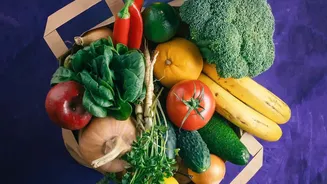
Spinach (palak) has long been the go-to green in Indian cooking. Now, it shares the spotlight with international greens like kale. While some nutritionists argue that traditional spinach is nutritionally superior in several aspects, kale's branding as a superfood has given it a strong foothold. These newer greens are being used in salads, smoothies, and contemporary dishes, reflecting a broader trend towards incorporating a wider variety of vegetables into the diet. Moringa, or drumstick leaves, is another traditional green experiencing a resurgence for its dense nutritional profile.
Nut Butters Replacing Jams
On the breakfast table, sugary jams and marmalades are facing competition from healthier spreads like peanut and almond butter. Driven by a desire for high-protein, low-sugar options, nut butters are becoming a staple for quick and nutritious breakfasts. They offer a good source of healthy fats and protein, keeping you fuller for longer compared to their sugary counterparts. This switch is part of a larger movement away from processed sugars and towards whole-food-based options.
Chia and Basil Seeds as Health Boosters
Tiny seeds are making a big impact. Chia seeds, packed with omega-3 fatty acids, fibre, and protein, are being added to everything from water bottles to yogurt bowls. Their close Indian cousin, basil seeds (sabja), offers similar hydration and cooling benefits and is often more affordable. These seeds are not replacing a single staple but are being incorporated as a functional booster, enhancing the nutritional value of everyday foods and drinks with minimal effort.
Olive Oil in Everyday Cooking
Traditional cooking oils like mustard oil and ghee now share kitchen space with olive oil. Initially marketed for its heart-healthy benefits in Western-style cooking like pastas and salads, many are now using lighter olive oil variants for everyday Indian dishes. This reflects a broader trend of adopting ingredients perceived as healthier, even if it means adapting traditional recipes. The key is using the right type of olive oil for the right cooking method to preserve both its flavour and health benefits.
Hummus as a Go-To Dip
While a variety of chutneys will always be essential, the Middle Eastern chickpea dip, hummus, has become a favourite. Made from chickpeas, tahini, lemon juice, and garlic, it serves as a healthy, protein-rich dip for vegetables, a spread for sandwiches, and an accompaniment to meals. Its popularity is tied to the rise of plant-based eating and its reputation as a nutritious and versatile comfort food that aligns well with the Indian palate's love for flavourful, legume-based dishes.