






The End of Guesswork
The traditional beauty shopping model was one-size-fits-all. Brands created products for the masses, and consumers were left to figure out what worked through trial and error. This often led to a drawer full of barely-used lipsticks and foundations that
weren't quite right. Now, the industry is flipping the script. Instead of expecting you to find the right product, brands are using data to bring the right product directly to you. [5] This marks a fundamental shift from aesthetics to algorithms, where customer data—from purchase history to skin concerns—is the most valuable asset. [3, 14] The goal is hyper-personalization: an experience so tailored it feels like every product was made just for you. [5]
Your Personal AI Beauty Advisor
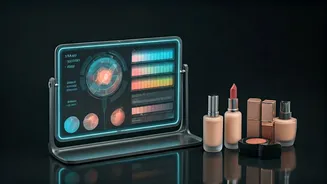
At the heart of this revolution is Artificial Intelligence (AI). Major players in the Indian market are deploying sophisticated AI tools that act as personal beauty consultants. [10, 19] New omnichannel retailers like Reliance's Tira and established e-commerce giants like Nykaa and Myntra are integrating AI-powered skin and hair analysers. [6, 9, 20] A user can upload a selfie, and a deep-learning algorithm analyses everything from skin texture and pigmentation to acne and fine lines, then recommends a customised routine. [20, 23, 25] Similarly, AI is used to sift through thousands of online reviews and social media comments to identify what consumers want in a product, influencing everything from formulation to marketing. [15] This data-driven approach allows brands to anticipate trends and create products that meet specific, expressed needs of diverse Indian consumers. [15, 19]
Try Before You Buy, Virtually
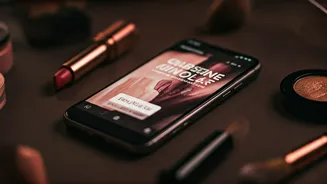
One of the most visible innovations is the virtual try-on, powered by Augmented Reality (AR). [15] L'Oréal's ModiFace technology, for example, is used by platforms like Nykaa and allows shoppers to see how a lipstick shade or eyeliner will look on them in real-time through their phone's camera. [13, 18, 25] The technology uses advanced face-tracker algorithms to realistically map virtual cosmetics onto a user's face, accounting for different skin tones and lighting conditions. [15, 29] Reliance's Tira stores have also embraced this, featuring virtual try-on tools and smart mirrors to help customers experiment with looks without the hygiene concerns or hassle of physical testers. [6, 8, 11] This bridges the gap between online and offline shopping, increasing purchasing confidence and reducing product returns. [21, 32]
The Price of Personalisation
This tailored experience comes at a cost: your data. To power these personalised services, companies collect vast amounts of information, including biometric data from facial scans, health-related data about skin conditions, and granular behavioural profiles. [3] This raises significant privacy concerns. [2, 7] Innovations like foundation matching and virtual analysis apps can process special categories of data that trigger enhanced compliance requirements under laws like the GDPR. [2, 4] A single flaw in the consent process can render the data collection unlawful, exposing companies to litigation and reputational damage. [3] Furthermore, there is a risk of algorithmic bias. If AI models are not trained on sufficiently diverse datasets, they may fail to provide accurate recommendations for the wide spectrum of Indian skin tones, potentially reinforcing old biases instead of creating true inclusivity. [16]
What's Next for Smart Beauty?
The integration of data and beauty is only set to deepen. The Indian beauty tech market is projected to grow significantly, reaching over USD 6.7 billion by 2030. [17] Experts predict the rise of 'Beaut-AI,' where artificial intelligence will make the industry more efficient and effective, from product development to identifying consumer preferences. [19] We can expect to see more at-home diagnostic devices, AI-generated fragrances, and skincare formulations based on biotech-discovered peptides. [25, 33] Nykaa recently announced a partnership with OpenAI to further integrate AI into its platforms, signalling a move towards a future of conversational and agent-led shopping. [26] This trend, coupled with a focus on 'metabolic beauty'—skincare that supports inner well-being—suggests that the future of beauty is not just smart, but holistic. [22]