



The New Digital Co-Pilot
At its core, design is about visual problem-solving, but it often involves repetitive tasks that consume valuable time. Generative AI design tools are intelligent systems that can create brand-new content—from images to colour schemes—based on simple
text descriptions. Unlike traditional software that requires manual manipulation, these AI solutions act as creative partners. A designer can input a phrase like "a quiet, minimalist library in Japan," and the AI will generate a corresponding mood board or a palette of harmonious colours. This technology automates the grunt work, freeing up designers to concentrate on strategy, storytelling, and the bigger creative picture rather than tedious manual searches.
From Prompt to Palette in Seconds
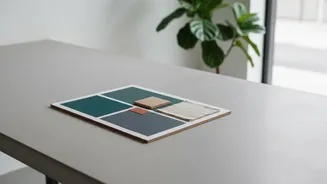
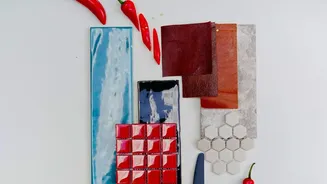
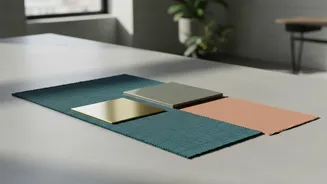
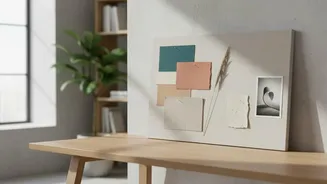
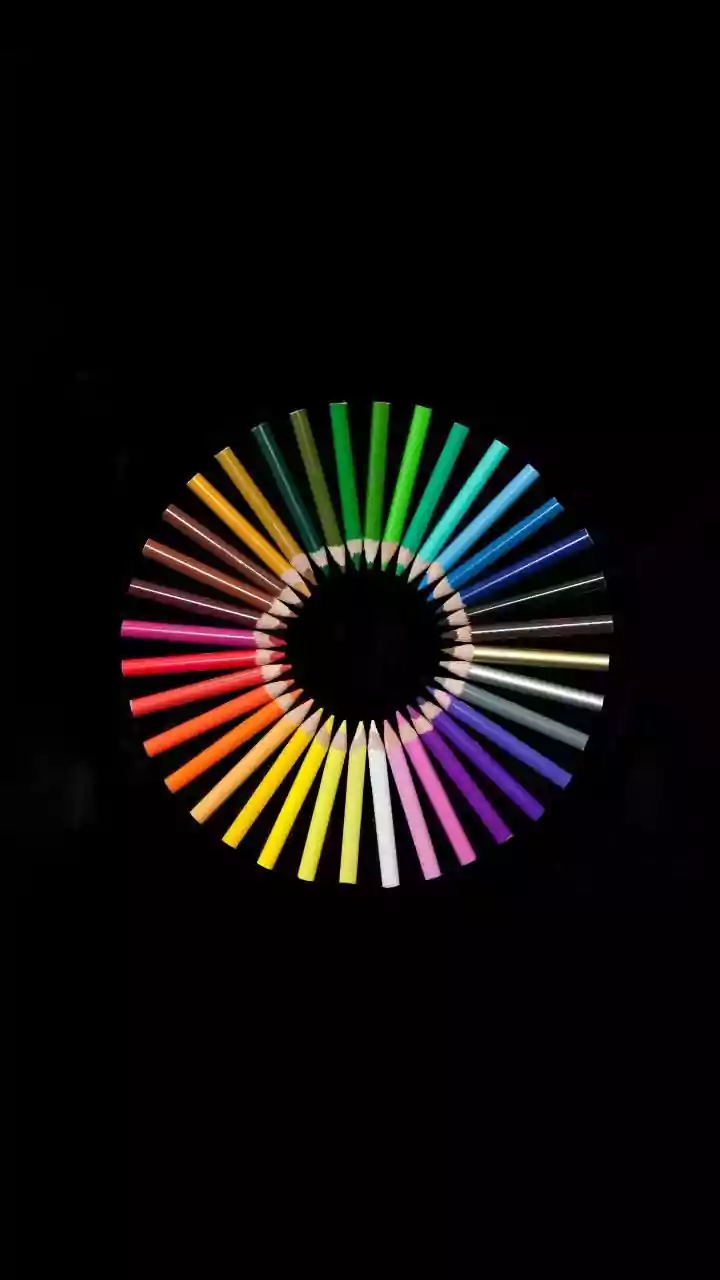
The practical application of these tools is remarkably straightforward. For colour palettes, tools like Adobe Color, Khroma, and Coolors allow designers to generate endless combinations based on a prompt, an uploaded image, or even their learned preferences. A designer might press a single key to get a new, perfectly harmonised five-colour palette, locking in the colours they like while the AI suggests alternatives for the rest. Similarly, for mood boards, platforms like Adobe Firefly Boards or Midjourney can take a conceptual idea—such as "a 1970s retro sci-fi movie poster"—and instantly curate a collection of images, textures, and typography that capture that specific aesthetic. This transforms hours of hunting on Pinterest or stock photo sites into a task that takes mere minutes.
The Gift of Speed and Inspiration
The most significant benefit of integrating AI into the design workflow is the dramatic increase in efficiency. Tasks that once took hours, such as creating multiple colour variations of a logo or finding the perfect set of inspirational images, can now be done almost instantly. This acceleration is particularly valuable in fast-paced agency environments and for freelance designers juggling multiple projects. Beyond speed, AI serves as a powerful antidote to creative block. By generating a wide variety of unexpected options, it can push designers beyond their usual habits and expose them to new visual directions they might not have considered on their own. It’s not just about doing the same work faster; it’s about expanding the creative possibilities from the very beginning.
Creativity: Augmented, Not Replaced
A common concern is whether relying on AI will diminish a designer's own creativity. However, the industry consensus is that these tools augment human talent rather than replacing it. The AI generates options, but it is the designer who curates, refines, and selects the most appropriate solution based on the project's strategic goals and the client's needs. AI lacks the emotional intelligence and cultural understanding to know why a certain shade of blue might be perfect for a healthcare brand but wrong for a fast-food chain. The designer's expertise, taste, and strategic thinking remain the most crucial ingredients. In this new paradigm, the designer's role evolves from a hands-on maker to a discerning creative director, guiding the AI to produce the best possible outcome.
Understanding the Limitations
While powerful, generative AI is not without its limitations. The outputs can sometimes feel generic or derivative, as the AI often relies on analysing existing data and trends. Without careful guidance, there is a risk of visual homogenisation, where designs start to look similar because they are built from the same AI-powered foundations. Furthermore, AI can struggle with highly nuanced or abstract prompts, occasionally misunderstanding the desired emotional tone. An effective designer knows when to use the AI for initial brainstorming and when to step in and apply a uniquely human touch. The tool provides the raw material, but the final craft and polish still depend on professional skill and judgement.