





What Makes a Movie a 'Spectacle'?
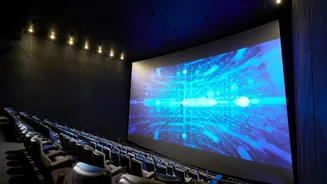
The term 'spectacle' goes far beyond a big budget or famous actors. It refers to an immersive audiovisual experience that a home setup struggles to replicate. This includes massive, crisp images designed for Premium Large Formats (PLFs) like IMAX and
Dolby Cinema, which boast giant screens and advanced projection. It’s also about intricate, multi-layered sound design that envelops the audience and extensive, world-building visual effects (VFX) that create realities impossible to film otherwise. Films like 'Avatar', 'Dune', or the major superhero blockbusters are engineered from the ground up to be spectacles. Their marketing often emphasizes the format as much as the story, with directors encouraging audiences to see the film 'as it was intended' on the biggest screen possible. This strategy turns the screening into a distinct, premium event.
The Challenge from the Couch
The rise of high-quality streaming services has fundamentally changed audience habits. The convenience, affordability, and vast content libraries of platforms like Netflix and Disney+ mean that most movies can be comfortably watched at home. This has raised the bar for what justifies the cost and effort of a trip to the cinema. In response, the theatrical experience has shifted to focus on what it can offer that streaming cannot: a truly immersive and communal event. Audiences are now less likely to go to a multiplex for a quiet drama or a mid-budget comedy, as these experiences translate well to the small screen. Instead, they are reserving their theatrical outings for films that demand a larger-than-life presentation, where the superior picture and sound quality are a key part of the appeal.
An Experience, Not Just a Film
Today's multiplexes are not just selling a movie; they are selling an experience. This is where spectacle cinema thrives. The entire journey—from online ticketing for reserved, comfortable seats to the high-impact presentation in a PLF screen—is designed to feel premium. Studios and theatre chains have found that audiences are willing to pay a surcharge for these enhanced formats, which are a core profit driver. On just a small percentage of total screens, these premium formats can generate a disproportionately large share of the box office revenue. This business model leans into the idea of a movie as a social event, a destination outing for friends and family that feels distinct from a casual night in. The communal aspect of sharing in the awe of a massive action sequence or a breathtaking visual is a powerful draw that streaming cannot replicate.
The Economics of Event Cinema
From a studio perspective, focusing on visual spectacle cinema is a high-risk, high-reward strategy. These films require enormous budgets for VFX, global marketing campaigns, and A-list talent. However, their potential for massive global box office returns makes them an attractive investment. Spectacle-driven films are designed to appeal to the widest possible audience, transcending cultural and language barriers through stunning visuals. This focus on a handful of massive tentpole releases a year has consequences. It often means fewer resources are dedicated to mid-budget films, dramas, and original stories that don't have built-in franchise appeal, creating a polarised landscape of mega-blockbusters and smaller independent films.
Is Storytelling Taking a Backseat?
A common critique of spectacle cinema is that its focus on visual grandeur can come at the expense of narrative depth and character development. Critics argue that fast-paced editing and a constant barrage of stimuli can train audiences to respond to impact over story, allowing recycled plots to feel new when wrapped in a visually impressive package. However, the most successful examples of the genre demonstrate that spectacle and story are not mutually exclusive. When visual effects are integrated thoughtfully, they can enhance a film's narrative and emotional core, creating a more profound and immersive experience for the viewer. The ongoing debate is whether the industry's reliance on spectacle as a primary draw will erode the appetite for quieter, more character-driven storytelling on the big screen in the long run.