




An Autumn Phenomenon
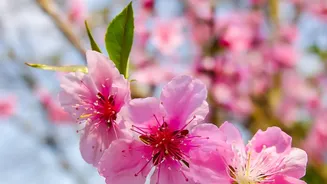
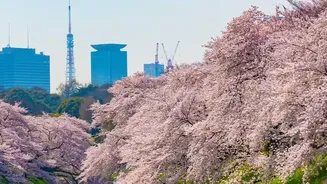
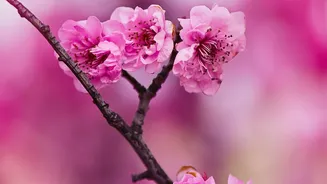
While most of the world associates cherry blossoms with the arrival of spring, Sikkim's festival celebrates the wild Himalayan cherry, or Prunus cerasoides. These remarkable trees defy the conventional calendar, bursting into full bloom between late October
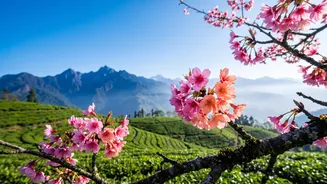
and November. The festival, centered around the sprawling Temi Tea Garden in South Sikkim, captures this rare spectacle. Imagine roads lined with delicate pink flowers, their bare branches creating a stunning contrast against the lush green tea slopes and, on a clear day, the majestic Khangchendzonga range. This timing provides a magical, almost surreal experience, as the cool, crisp autumn air enhances the sharp, clear views of the mountains.
What to Expect at the Festival
Organised by the Temi Tarku Tourism Development Committee (TTTDC) in association with the Temi Tea Estate, the festival is a vibrant celebration of nature and local culture. While the official programme for 2026 is usually released closer to the date, past editions offer a glimpse of what to expect. Visitors can typically immerse themselves in a variety of activities. Cultural showcases feature traditional dance and live music, while numerous food stalls offer a taste of authentic Sikkimese cuisine. For the more adventurous, options often include paragliding, zip-lining, horse riding, and even angling. Tea tourism is a major highlight, with guided tours of the tea factory, tea-tasting sessions, and leisurely walks through the picturesque estate. A marathon, the 'Dragon Run 2.0', is also a planned attraction, adding a community and fitness element to the festivities.
The Heart of the Celebration: Temi Tea Garden
The festival's main venue, Temi Tea Garden, is the only tea estate in Sikkim and a destination in itself. Located in the Namchi district, it sits at altitudes between 4,000 and 6,000 feet, providing a stunning natural amphitheatre for the cherry blossoms. The road to the estate winds through the very heart of the bloom, making the journey as beautiful as the destination. Beyond the festival events, the estate offers activities like guided walks and factory tours year-round. It’s the combination of organic tea culture and the transient beauty of the blossoms that makes a visit to Temi so unforgettable.
Planning Your Trip to Sikkim
Reaching Sikkim requires a bit of planning. The nearest major airport is Bagdogra (IXB) in West Bengal, approximately a 4-5 hour drive from Gangtok, Sikkim's capital. The closest major railway station is New Jalpaiguri (NJP), also in West Bengal. From either Bagdogra or NJP, you can hire a taxi or take a shared jeep to reach Gangtok or directly to South Sikkim. For a faster, more scenic journey, a helicopter service operates between Bagdogra and Gangtok, though it is dependent on weather conditions. Since November is a popular tourist season due to the clear weather and festivals, it's wise to book accommodation and transport well in advance. Remember to pack warm layers, as mornings and evenings in the hills can be quite cold.
Beyond the Festival
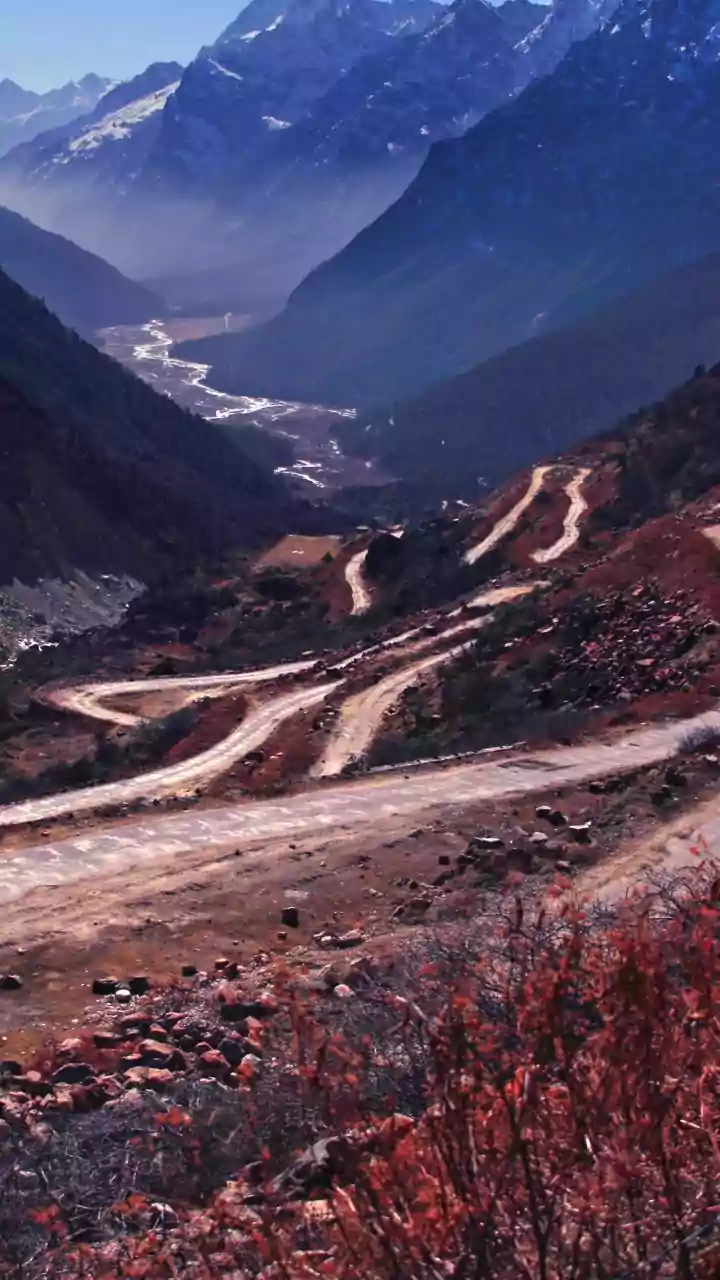
While the Cherry Festival is a major draw, your November trip to Sikkim can include much more. Gangtok, the state capital, is a bustling hub with attractions like the MG Marg, Ganesh Tok, and the ropeway offering panoramic city views. A visit to the iconic Rumtek Monastery is a must for those interested in spiritual heritage. For breathtaking Himalayan vistas, consider a trip to Pelling in West Sikkim. If permits and weather allow, an excursion to the high-altitude Tsomgo Lake near Gangtok is a classic Sikkim experience. Engaging with the local communities in homestays in villages like Lachen or Lachung can offer a deeper cultural immersion.