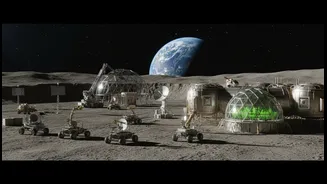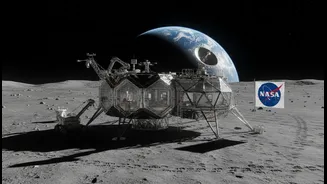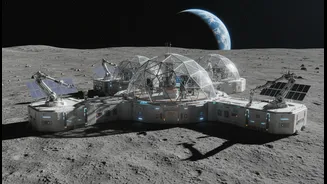







The Blueprint vs. The Reality
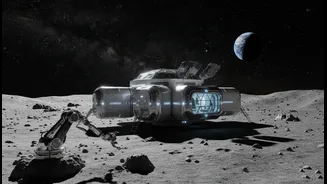
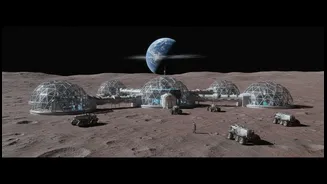
First, it's crucial to understand the official plan. NASA's Artemis program aims to build a long-term 'Artemis Base Camp' at the Moon's South Pole. This location is strategic due to the potential for water ice hidden in permanently shadowed craters and access
to sunlight for power. The plan involves a phased approach, starting with robotic missions, followed by infrastructure like habitats and power systems, and eventually supporting longer human expeditions. However, the timeline is a significant point of verification. While Artemis II completed a crewed flyby in 2026, the first landing is now targeted for 2028, with yearly landings to follow. These dates have shifted before and are subject to immense technical and budgetary pressures. Verifying the plan means watching for mission delays and changes in core objectives, which are common in such ambitious programs.
The Technology Litmus Test
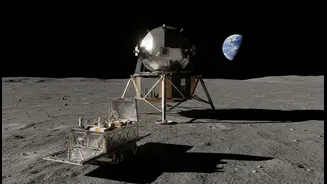
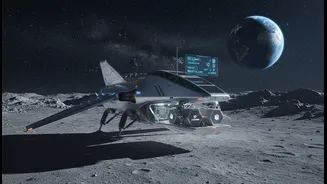
A lunar base is fundamentally a technology challenge. Several key capabilities must be proven before a permanent presence is feasible. The most critical is In-Situ Resource Utilization (ISRU), which means living off the land. NASA is investing in technologies to extract water, oxygen, and fuel from the lunar soil, or regolith. This would drastically reduce the need to launch everything from Earth, which is incredibly expensive. Watch for the results of robotic missions like VIPER, designed to map water ice, and payload tests from commercial partners. Another hurdle is power. The lunar night is two weeks long and incredibly cold, making solar power a challenge. NASA is developing advanced solar arrays and considering small nuclear fission reactors, but these systems need to be proven in the harsh lunar environment. Simply landing safely and repeatedly is another test, requiring precision systems to avoid hazards in poorly lit polar regions.
Follow the Money
Perhaps the most significant factor is the budget. The Artemis program's estimated cost through 2025 is $93 billion, with each of the first few launches of the Space Launch System (SLS) rocket and Orion capsule costing over $4 billion. This level of spending requires consistent, long-term political support, which can be uncertain. Budget proposals and congressional appropriations are key indicators of the program's health. For example, proposed budgets have sometimes suggested cancelling key components like the Gateway lunar space station or even the SLS rocket in favor of cheaper commercial alternatives. While Congress often restores funding, these debates highlight the financial fragility. Verifying the push for a moon base means tracking NASA's annual budget requests and seeing if the allocated funds match the program's ambitious schedule.
Partnerships and People
NASA is not going to the Moon alone. The Artemis program relies heavily on a network of international and commercial partners. The Artemis Accords create a framework for peaceful international cooperation, with dozens of countries signed on. Partners like the European Space Agency (ESA), Japan (JAXA), and Canada (CSA) are contributing key components like habitation modules for the Gateway station and a pressurized rover. On the commercial side, companies like SpaceX and Blue Origin are contracted to build the human landing systems that will take astronauts to the surface. Another initiative, Commercial Lunar Payload Services (CLPS), pays private companies to deliver science and technology payloads to the Moon. Monitoring the progress and health of these partnerships is essential. Delays or failures by a key partner can have a ripple effect across the entire program.