


A Humble Hero: The Mighty Khichdi
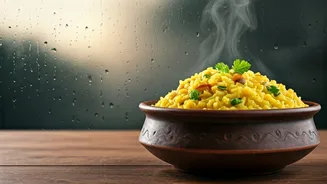
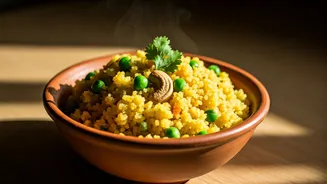
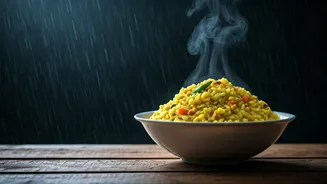
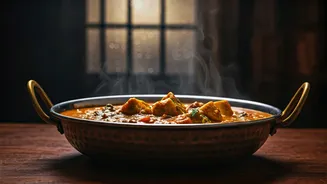
So, what is this magical bowl? It's Khichdi. For the uninitiated, Khichdi (also spelled khichri or khichuri) is a humble, one-pot dish made from rice and lentils (usually moong dal). Cooked together until soft and porridge-like, it’s a deceptively simple
meal that forms the backbone of Indian comfort food. It’s not fancy. It won't win beauty contests. But when the rain is lashing against the windowpane and a chill sets in, a steaming bowl of Khichdi feels like a warm hug from the inside out. It's the food of childhood, of recovery, and most poetically, of the monsoon.
The Science of Comfort
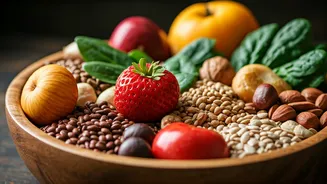
But why Khichdi? The connection isn't just sentimental; it’s rooted in both science and ancient wisdom. According to Ayurveda, the monsoon season (Varsha Ritu) is a time when our digestive fire, or 'agni', is at its weakest. Heavy, oily, and complex foods are harder to process. Khichdi, a balanced combination of carbohydrates (rice) and protein (lentils), is incredibly easy to digest. The use of spices like turmeric, cumin, and ginger not only adds flavour but also aids digestion and boosts immunity, which is crucial when seasonal illnesses are common. It's the perfect food to nourish the body without overburdening it, providing a feeling of lightness and well-being that is deeply comforting.
A Dish with a Thousand Faces
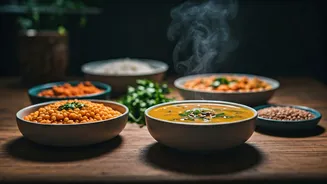
Part of Khichdi’s universal appeal is its incredible versatility. While the base remains rice and dal, nearly every region in India has its own beloved version. In Bengal, the 'Khichuri' is often richer, made with roasted moong dal and fragrant spices, and is a staple during Durga Puja. In Gujarat, 'Vaghareli Khichdi' is tempered with mustard seeds, curry leaves, and garlic, giving it a zesty kick. Go south, and you’ll find its cousin, 'Pongal', a creamy dish often studded with black peppercorns and cashews. In Uttar Pradesh and Bihar, it’s a simple, wholesome meal, while Maharashtrian 'Valachi Khichdi' adds field beans. This adaptability means that for almost every Indian, there is a version of Khichdi that tastes like home.
The Four Essential Companions
A bowl of Khichdi is rarely served alone. It’s almost always accompanied by its 'chaar yaar'—the four friends—that elevate it from a simple meal to a complete experience. The first is a generous dollop of pure ghee (clarified butter), which melts into the warm grains, adding a rich, nutty aroma and healthy fats. The second is a side of cool, plain dahi (yoghurt) to provide a tangy contrast to the warmth. Third comes the crunch: a crispy, roasted or fried papad (pappadam) that adds a much-needed textural element. Finally, a spoonful of spicy, tangy achaar (pickle) cuts through the mildness and awakens the palate. Together, these four companions create a symphony of flavours and textures that is simple yet deeply satisfying.
More Than Just a Meal
While Khichdi reigns supreme, the monsoon sparks cravings for other delicious things, too. The desire for something hot and crispy is undeniable, leading to a nationwide run on pakoras (fritters) and samosas, often paired with a steaming cup of masala chai. For many, a rainy evening is incomplete without a bowl of instant noodles, cooked soupy with vegetables. Yet, Khichdi holds a unique place. It’s not just a snack or a craving; it’s a complete, wholesome meal that signifies care, wellness, and a return to basics. It’s the food your mother made when you were sick, the first solid food you ate as a baby, and the meal that brings a sense of calm and order when the world outside is wild and wet.