




What Exactly is NEAT?
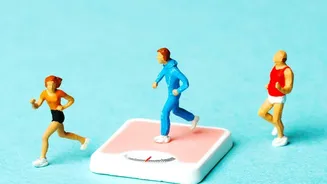
Non-Exercise Activity Thermogenesis, or NEAT, sounds complex, but it's a simple concept: it’s the energy you burn doing everything except sleeping, eating, or formal exercise. Think of it as all the 'in-between' movements you make throughout the day.
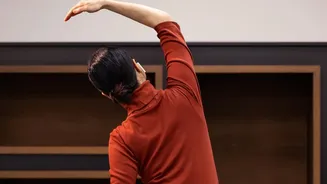
This includes walking to your car, typing, doing household chores, stretching at your desk, and even fidgeting. While these small actions might not feel like a workout, their cumulative effect on your daily calorie burn and overall health can be substantial. Research shows that NEAT is a highly variable component of our daily energy expenditure and that increasing it can play a key role in weight management and counteracting the negative effects of a sedentary lifestyle.
Make Movement Your Default
The easiest way to increase NEAT is to find opportunities for movement in tasks you already do. Instead of emailing a colleague who sits a few desks away, walk over to their desk. When you need to go to another floor, always opt for the stairs instead of the elevator. Use a restroom on a different floor to force a longer walk and a flight of stairs. These small choices might seem insignificant individually, but they add up. Consider your commute: if possible, park farther away from the office entrance or get off public transport one stop early to add a short walk to your morning and evening routines. The goal is to shift your mindset from seeking efficiency in stillness to finding efficiency in motion.
Transform Your Workstation
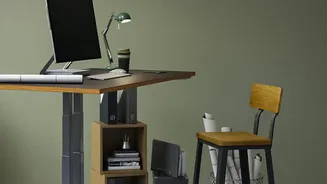
Your desk area itself can become a hub for NEAT. The rise of sit-stand desks is a direct response to the need for more movement at work. Alternating between sitting and standing every 30 to 60 minutes can significantly increase your daily energy expenditure and improve posture. If a standing desk isn't an option, you can still make changes. Replace your standard office chair with a stability ball, which requires you to engage your core muscles to stay balanced. You can also incorporate simple stretches and movements right at your chair, like shoulder rolls, neck stretches, and seated leg lifts. Set a timer to remind yourself to get up and move for a few minutes every half-hour.
Turn Phone Calls into Walking Sessions
Not every meeting needs to happen in a conference room. Whenever you have a phone call or a virtual meeting that doesn't require you to be on camera or glued to your screen, use it as an opportunity to walk. Pacing around your office, walking down a hallway, or even taking the call outside can effortlessly add hundreds, if not thousands, of steps to your day. This practice not only boosts your calorie burn but can also improve focus and creativity. It breaks the monotony of sitting and gets your blood flowing, which can lead to better thinking and more energetic conversations.
Embrace the Fidget
That nervous energy that makes you tap your foot, bounce your knee, or click your pen can actually be good for you. Fidgeting is a component of NEAT and contributes to your total daily energy expenditure. While you may have been told to 'sit still' as a child, studies suggest that people who fidget tend to have better health outcomes than those who remain completely stationary for long periods. Other small, almost subconscious movements include frequently changing your posture, doing calf raises while waiting for the printer, or stretching your arms overhead. It’s all about keeping the body from becoming static.