
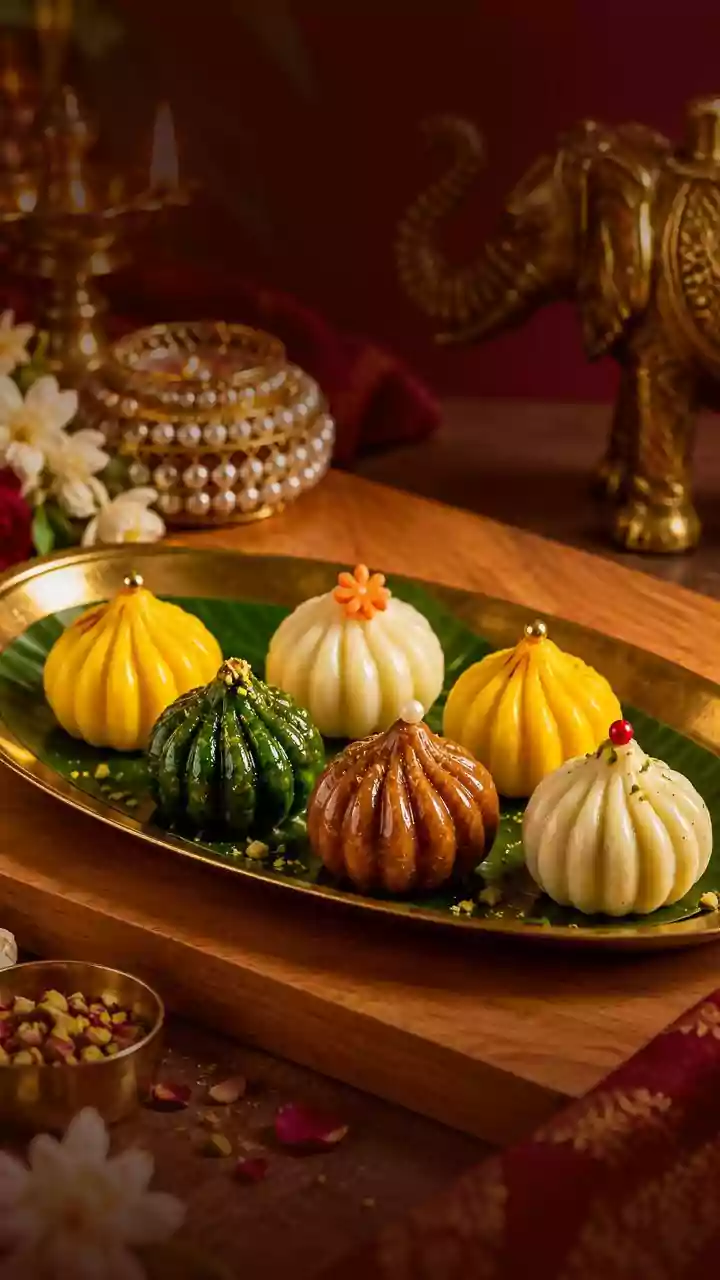
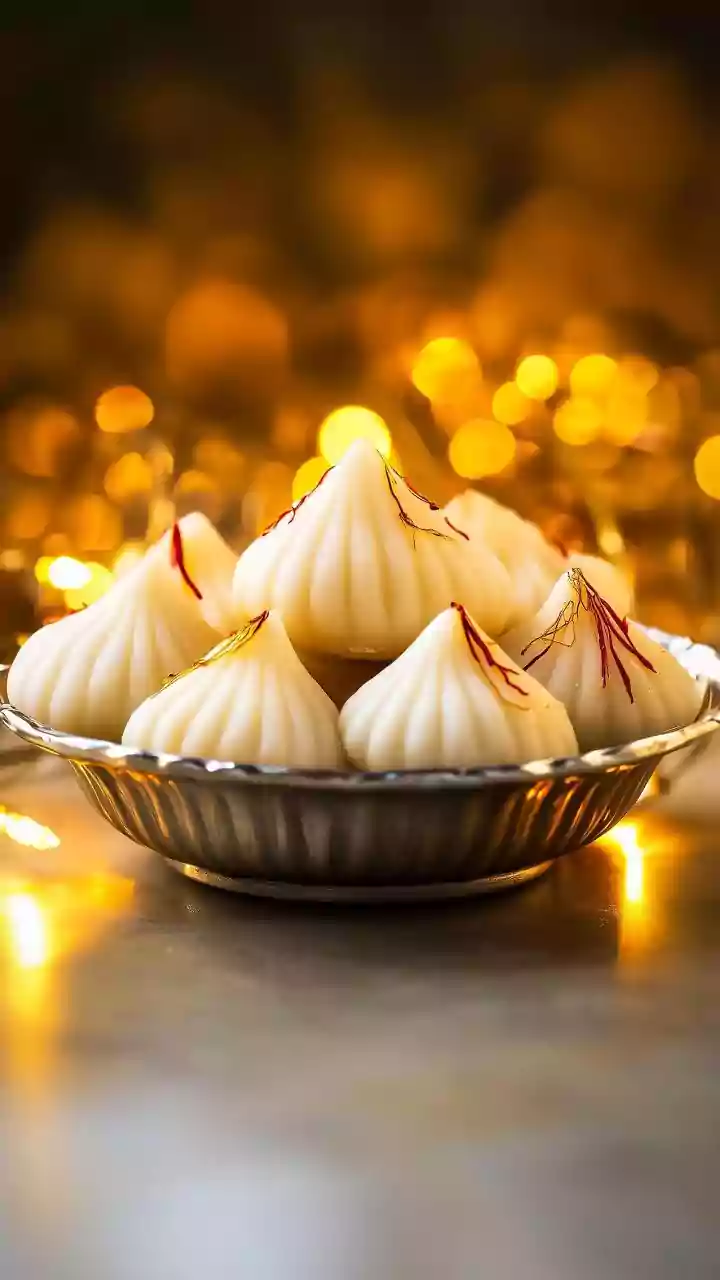

The Sacred Offering of Bhog
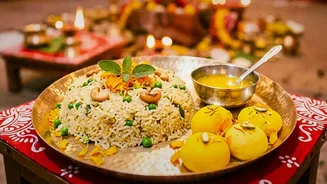
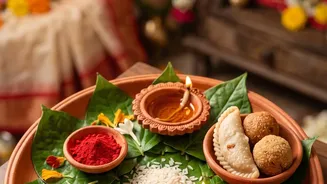
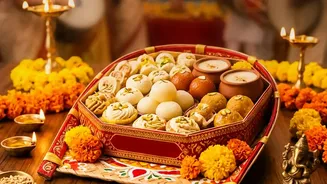
In Hindu traditions, 'bhog' refers to the food offered to a deity during worship. This is not just a meal but a sacred act of devotion, prepared with utmost purity and love. It is believed that the deity partakes in the offering, which then becomes 'prasad'—a
blessed substance distributed among devotees. This act of offering and sharing fosters a deep sense of community and spiritual connection. While bhog can include a variety of savoury and sweet dishes, it is the 'mishti' or sweets that often hold a special place, believed to be particularly pleasing to the gods.
Why Sweets Symbolise Purity and Prosperity
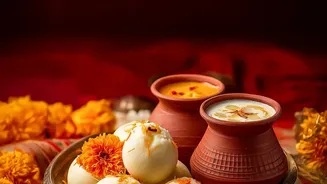
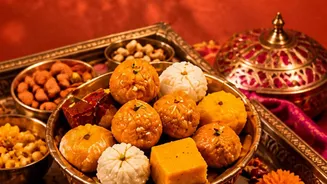
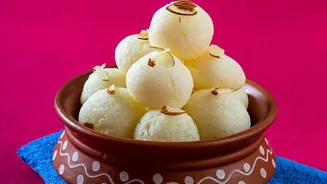
Sweets are deeply intertwined with auspiciousness in Indian culture. The act of starting something new or celebrating is often marked by 'mishti mukh' (sweetening the mouth). During Puja, sweets like Rosogolla and those made from 'chhena' (fresh cottage cheese) are considered 'sattvik' or pure, making them ideal offerings. They symbolize purity, prosperity, and happiness. Ingredients commonly used, such as milk, rice, coconut, and jaggery, are seen as symbols of abundance and good fortune, reinforcing the sacredness of the offering. Offering these items is a way of expressing gratitude and seeking blessings for a prosperous life.
The Stars of the Bhog Thali
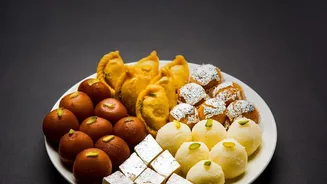
Several iconic Bengali sweets are indispensable to the Puja bhog. Payesh, a creamy rice pudding slow-cooked in milk, is one of the oldest and most revered. Often made with fragrant Gobindobhog rice, it's a comforting dessert that signifies divine blessings and longevity. Another beloved sweet is the Narkel Naru, which are round laddoos made from grated coconut and either sugar or date palm jaggery ('nolen gur'). These are easy to prepare at home and distribute, representing community and togetherness. Sandesh, a delicate sweet made from fresh chhena, also features prominently, often shaped into intricate designs fit for the divine.
A Labour of Love and Tradition
The preparation of these sweets is often a cherished ritual in itself. In many Bengali households, generations of women come together in the kitchen to make these festive delicacies. This act is not merely cooking; it is a form of devotion, a communal activity that strengthens family bonds and passes down culinary traditions. The painstaking process of making sweets like Payesh, which requires patiently simmering milk, or frying Gokul Pithe, dumplings stuffed with coconut, is seen as a labour of love dedicated to the goddess. This communal effort infuses the sweets with an essence of home, memory, and shared faith.
More Than a Dessert: A Symbol of Community
Ultimately, the role of Bengali sweets in Puja bhog transcends their taste. After being offered to the deity, the prasad is shared among all devotees, irrespective of their social standing. This act of sharing sweets is a powerful symbol of unity, hospitality, and communal harmony. A box of 'mishti' is a standard gift when visiting friends and family during the festive period, a gesture of warmth and goodwill. In this way, these traditional sweets are not just a conclusion to a festive meal; they are the very threads that weave together faith, family, and the entire community in a celebration of sweetness and joy.