





The Final Hurdle for Summer Crops
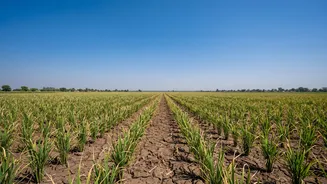
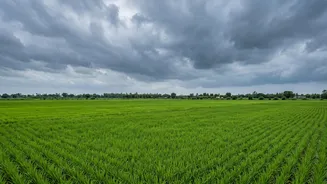
The Southwest Monsoon, which provides about 70-75% of India's annual rainfall, is the lifeblood of its agriculture. The season’s performance directly influences the fate of Kharif crops—such as rice, maize, soybean, and pulses—sown between June and July.
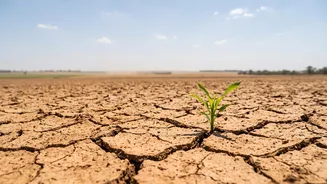
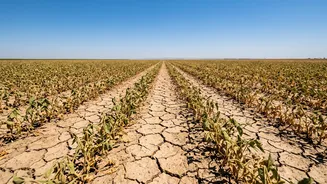
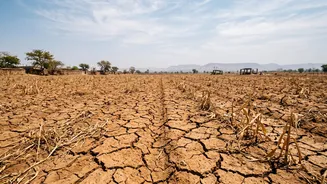
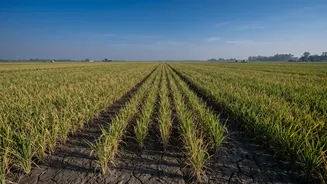
While good rains in July and August are essential for planting and initial growth, the September showers are crucial for the final maturing stage of these crops. A lack of rain in this critical period can lead to moisture stress, stunting growth and significantly reducing yields. Forecasts for 2026 have already pointed towards a weaker monsoon, with a potential double-digit deficit in September, which could hurt the output of summer-sown crops.
Water for the Winter Harvest
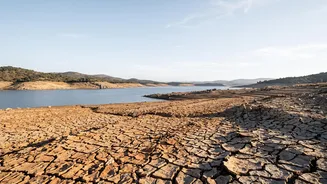
September's rainfall does more than just water the standing Kharif crops; it replenishes India's vast network of reservoirs. These reservoirs are vital for the Rabi (winter) crop season, which includes staples like wheat and mustard. The Rabi harvest is less dependent on immediate rainfall and more reliant on stored water from dams and groundwater, both of which are recharged by the monsoon. A drier September means lower reservoir levels and depleted soil moisture, creating a challenging starting point for winter cultivation. This can force farmers to either reduce the area they plant or invest more in irrigation, increasing their costs and straining already scarce water resources.
The Direct Impact on Your Wallet
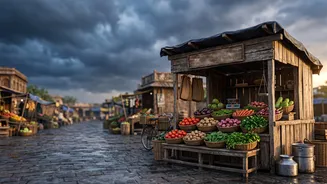
The connection between rainfall and household expenses is direct and often swift. Food items constitute a large portion of India's Consumer Price Index (CPI), making the economy sensitive to agricultural performance. Lower crop yields inevitably lead to tighter supply, which can drive up food prices. Vegetables, pulses, and oilseeds, many of which are largely rain-fed, are particularly vulnerable to price shocks. A weak end to the monsoon can therefore translate into higher inflation, meaning the money in your pocket buys less at the local market. While large foodgrain reserves can soften the immediate blow, a sustained period of high food prices can strain household budgets across the country.
Ripples Across the Broader Economy
The consequences of a poor monsoon extend far beyond the agricultural sector. Agriculture still employs a massive portion of India's workforce, and lower farm incomes have a cascading effect. When farmers earn less, their spending on goods like tractors, two-wheelers, and everyday consumer products declines. This reduction in rural demand can slow down growth for many industries. Furthermore, a water deficit affects more than just farms. Lower reservoir levels can curtail hydroelectric power generation, putting pressure on the energy grid. Financial institutions, particularly those with high exposure to rural borrowers and microfinance, may also face challenges as farmers' ability to repay loans is impacted.