





What Exactly Is a Dark Store?
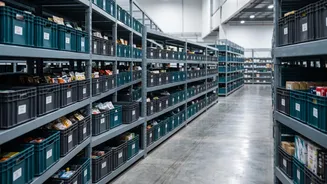
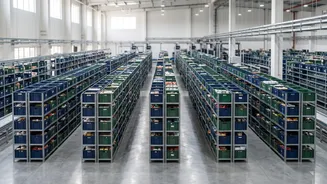
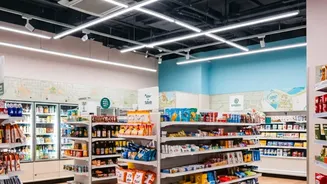
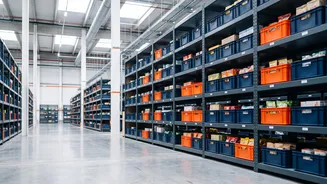
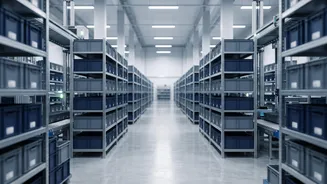
Imagine a supermarket that you can't enter. That's a dark store. It's a small, dedicated warehouse closed to the public, designed exclusively to fulfill online orders. Typically ranging from 3,000 to 8,000 square feet, these spaces are not glamorous showrooms.
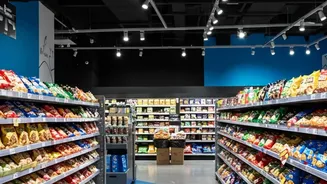
Instead, their layouts are optimized for one thing: speed. Aisles are arranged for the fastest picking and packing, stocking only the most popular items—from chips and soft drinks to milk and bread—to ensure orders can be assembled and dispatched within minutes. Companies like Blinkit, Zepto, and Swiggy Instamart rely on a dense network of these micro-hubs to cover a city, with each store serving a tight radius of just two to three kilometres.
Why Bengaluru Is the Dark Store Capital
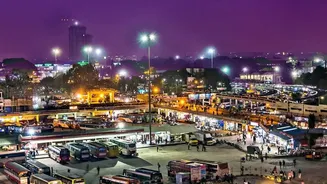
Bengaluru's reputation as India’s quick-commerce epicenter is backed by numbers. The city has the highest density of dark stores in the country, with about 153 square feet of space per 1,000 people—nearly three times the national average. It hosts more dark stores than any other city, with a July 2026 report mapping 629 locations, ahead of Delhi (474) and Hyderabad (406). This concentration isn't accidental. Bengaluru's unique demographic mix of a large, young, tech-savvy population with high disposable incomes and punishing traffic makes it the perfect market. For time-poor professionals, the convenience of 10-minute delivery is a powerful draw. As a result, the city has become a testbed where major players like Swiggy, Flipkart, and Zepto build and refine their strategies before national rollouts.
The Real Estate Rush
The dark store boom is reshaping Bengaluru's commercial real estate market. The insatiable demand for small, ground-floor spaces in dense residential areas has led to a surge in inquiries and rents. Landlords are reportedly earning 30-40% higher returns by leasing to quick-commerce companies compared to traditional retailers. These companies are attractive tenants: they sign long leases and pay on time. This has created a new kind of premium real estate, where a nondescript godown on a quiet side street can be more valuable than a prime showroom on a main road, simply because of its proximity to customers. Rents in high-demand localities have jumped by as much as 20-25% as operators compete for the perfect location.
Impact on the Urban Fabric
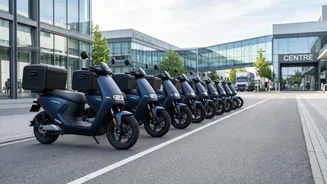
The rapid expansion isn't without friction. In many residential areas, the constant buzz of delivery bikes and supply vans has led to complaints about noise and traffic congestion. The influx of these commercial operations into residential bylanes is also raising questions about zoning laws and their suitability. At the same time, this new industry is a significant source of employment, creating thousands of jobs for delivery partners, pickers, and packers. A July 2026 estimate suggested that Bengaluru's 629 dark stores generate around 6,300 to 12,600 jobs and inject a meaningful stream of income into local neighbourhoods. This creates a complex dynamic, balancing new economic opportunities against the quality-of-life concerns of local residents.
The Future: Profitability and Regulation
While expansion continues, the quick-commerce industry is also entering a new phase focused on efficiency and profitability. Companies are leveraging AI to predict demand, optimize inventory, and plan delivery routes to cut down on costs. There's also a move toward larger formats, or 'mega dark stores', which can hold a wider variety of products. On the regulatory front, the Indian government is tightening rules for e-commerce. New amendments effective January 2027 will introduce stricter rules around how platforms display sponsored results, calculate discounts, and prevent the use of 'dark patterns'—deceptive user interfaces designed to mislead consumers. These regulations aim to create a more transparent and accountable digital marketplace as quick commerce becomes an even more integral part of urban life.