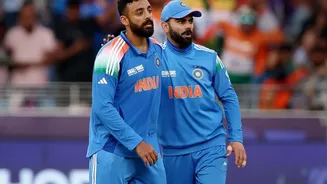

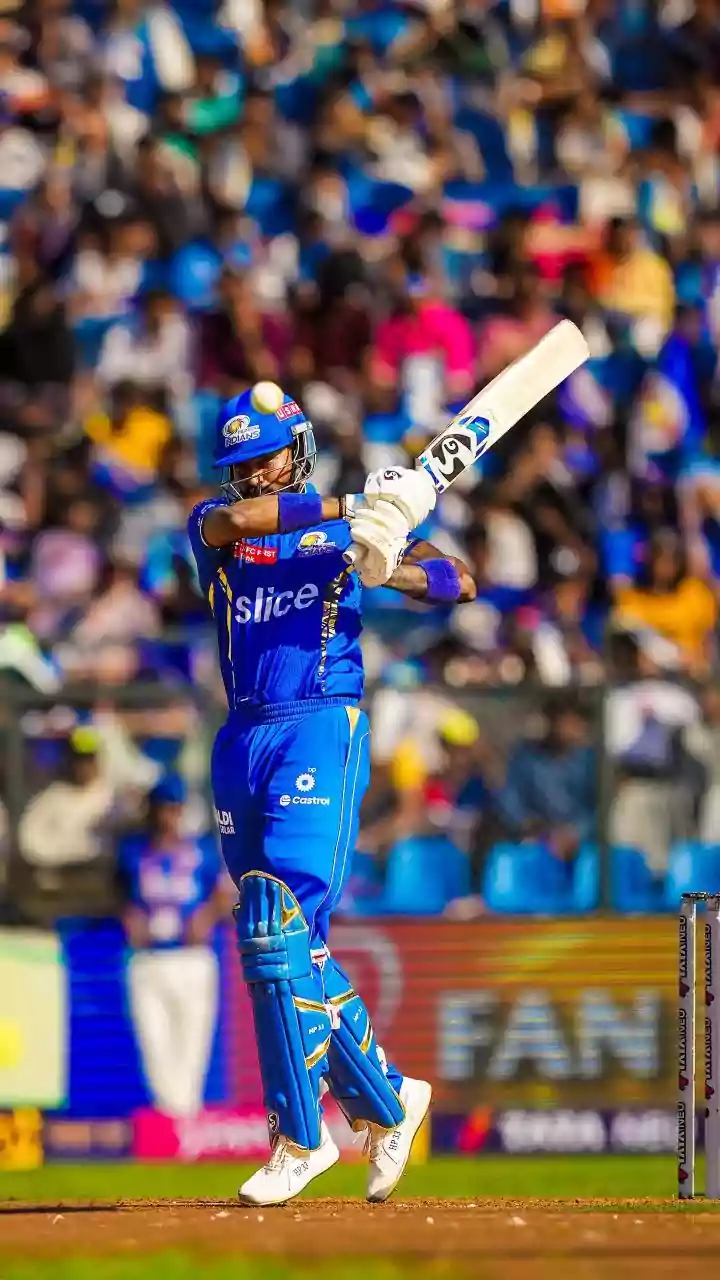


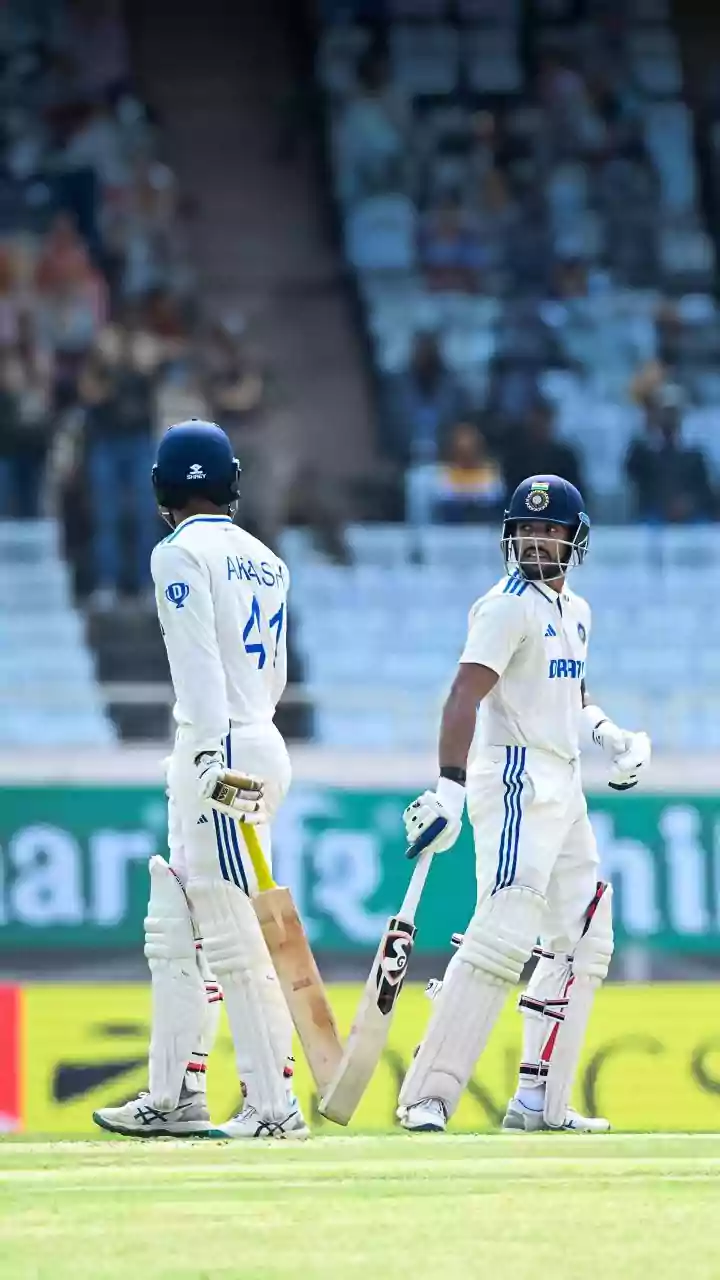
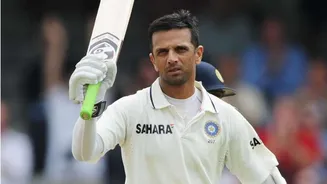
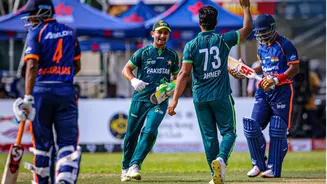
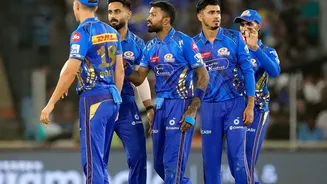
A team boasting IPL heavyweights, led by Krunal Pandya, was expected to dominate. Instead, India crashed out of the Hong Kong Sixes 2026, finishing 11th out of 12 teams. So, what exactly went wrong for the star-studded lineup?
A Brutal Format for the Unprepared
The Hong Kong Sixes is not
just a shorter version of T20; it's a different beast entirely. With six players per side and only five-over innings, there is no time to settle. Every batter must explode from ball one, and almost every player needs to be a versatile all-rounder. India's opening loss to Pakistan was a harsh introduction to this reality. After posting a meagre 88, they watched as Pakistan chased it down in just 3.5 overs. The format rewards hyper-aggression and punishes even a moment's hesitation, a lesson India's specialists learned the hard way. While Shashank Singh found success, most of the squad seemed unable to adapt to the frenetic pace.
Big Names, Bigger Disappointments
The headline names—Krunal Pandya, Nitish Rana, and Rahul Tripathi—were the core of India's problems. Captain Krunal Pandya had a tournament to forget, starting with a golden duck against Pakistan and then being smashed for five consecutive sixes in his opening over. That single over went for 31 runs, effectively ending the contest before it truly began. Nitish Rana struggled to make an impact, retiring out for 19 off 14 balls in the first game and being dismissed early in others. While Rahul Tripathi showed flashes of brilliance, including a fiery 56 off 14 balls in a losing cause against England, his contributions were inconsistent and not enough to save the team in the crucial group stages.
Strategic Blunders and Systemic Failures
Beyond individual performances, India's strategy seemed flawed. They were comprehensively beaten in all their main draw matches, losing first to Pakistan and then suffering a humiliating 10-wicket defeat to the UAE, who chased down 95 runs in just 4.2 overs. These losses pushed India out of the main Cup competition and into the lower-tier Bowl tournament. The team composition itself was questionable for the format, as evidenced by two batters getting out for golden ducks against Pakistan, instantly wasting a third of the team's batting resources. The one-dimensional nature of some players, who are specialists in T20s, was exposed in a format that demands multi-skilled cricketers who can both hit big and contribute with the ball.
A Lone Bright Spark in the Gloom
If there was one silver lining, it was the performance of Shashank Singh. While his senior counterparts faltered, Shashank was India's most consistent power hitter. He smashed an explosive 40 off 11 balls against Pakistan and was a standout performer throughout the tournament. He finished as India's second highest run scorer, with 120 runs at a phenomenal strike rate of $315.79$. In the playoff for $11$th place, his unbeaten $50$ off $15$ balls finally secured India's only win against Bangladesh. His success, however, only highlighted the collective failure of the rest of the much hyped batting lineup.