





The Science of a Short Rest
The magic that happens when you let pulses rest off the heat is a phenomenon known as carryover cooking. While often discussed with meat, the principle applies here too. The residual heat trapped within the pot and the pulses themselves continues to gently
cook them even after you've turned off the stove. During cooking, the starches within pulses like lentils, chickpeas, and beans begin to swell and soften. Taking them off the heat and letting them sit allows this process to complete at a slower, more gentle pace. This final stage of cooking can be the difference between a pulse that is just cooked and one that is perfectly tender and creamy, without turning into mush.
From Cooked to Complex: Unlocking Deeper Flavour
Resting isn't just about texture; it's a crucial step for flavour development. When you finish cooking a dal or a chana masala, the various elements—pulses, water, spices, aromatics—are still somewhat separate. Allowing the dish to sit, covered, for just five to ten minutes gives these flavours time to meld and marry. The spices bloom further in the residual heat, their aromatic oils infusing the entire dish more deeply. The pulses absorb more of the surrounding savoury liquid, becoming more flavourful from the inside out. This short pause allows the flavours to become more cohesive and harmonious, transforming a simple dish into something with remarkable depth and complexity. Many expert tips for flavourful dal highlight the importance of simmering after adding the final tempering (tadka), and resting is a natural extension of that logic.
How to Rest Pulses the Right Way
The process is incredibly simple. Once your pulses are cooked to the point where you think they are almost done, turn off the heat. If they are in a pot on the stove, simply leave them there with the lid on. There’s no need to move them. A rest of 5 to 10 minutes is usually sufficient. For denser pulses like chickpeas and kidney beans, a rest of 10 to 15 minutes can work wonders. After the resting period, give the dish a gentle stir and taste it again. You will likely notice a significant improvement in both texture and taste. The liquid may have thickened slightly as the starches settled, and the flavours will be more pronounced. At this point, you can accurately judge if it truly needs more cooking time, more salt, or a final squeeze of lemon juice to brighten it up.
Does This Trick Work for All Pulses?
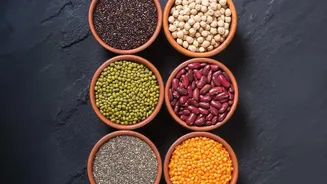
This technique is effective across the board, from the quickest-cooking masoor dal (red lentils) to the heartiest rajma (kidney beans) and chana (chickpeas). With quick-cooking lentils, which can easily turn to mush, a short 5-minute rest helps them achieve a perfect creamy consistency without overcooking. For larger, firmer pulses like chickpeas and kidney beans, which require longer cooking times, the resting period is even more beneficial. It allows their dense interiors to finish cooking through gently, ensuring they are tender without the skins bursting from aggressive boiling. This method is also fantastic for dishes like dal makhani, where slow cooking and flavour melding are key to its signature creamy texture and rich taste. Letting it rest after the long simmer is the final touch that brings all the elements together perfectly.