
The First Glimpse of Water
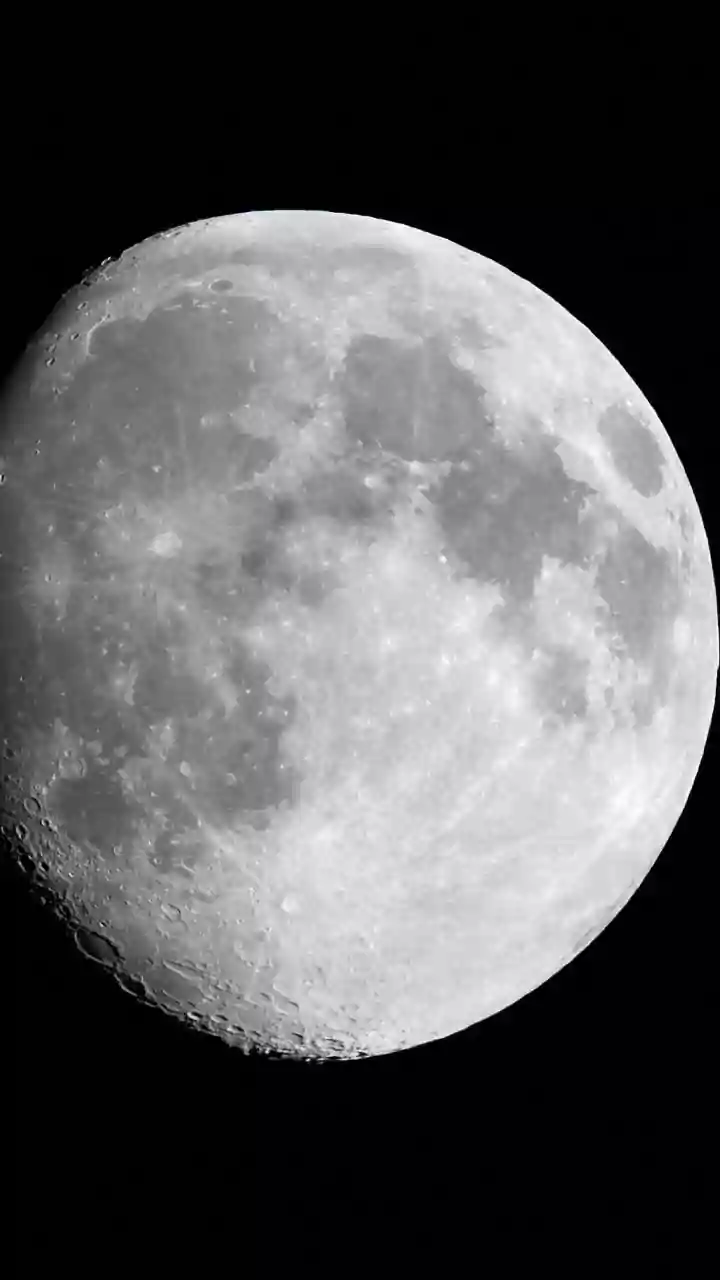
The story of India's contribution to lunar habitats begins with a paradigm shift. For decades, the Moon was considered a bone-dry desert. That view changed dramatically thanks to ISRO's Chandrayaan-1 mission. Launched in 2008, it carried a NASA instrument,
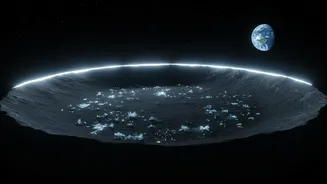
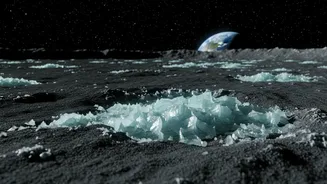
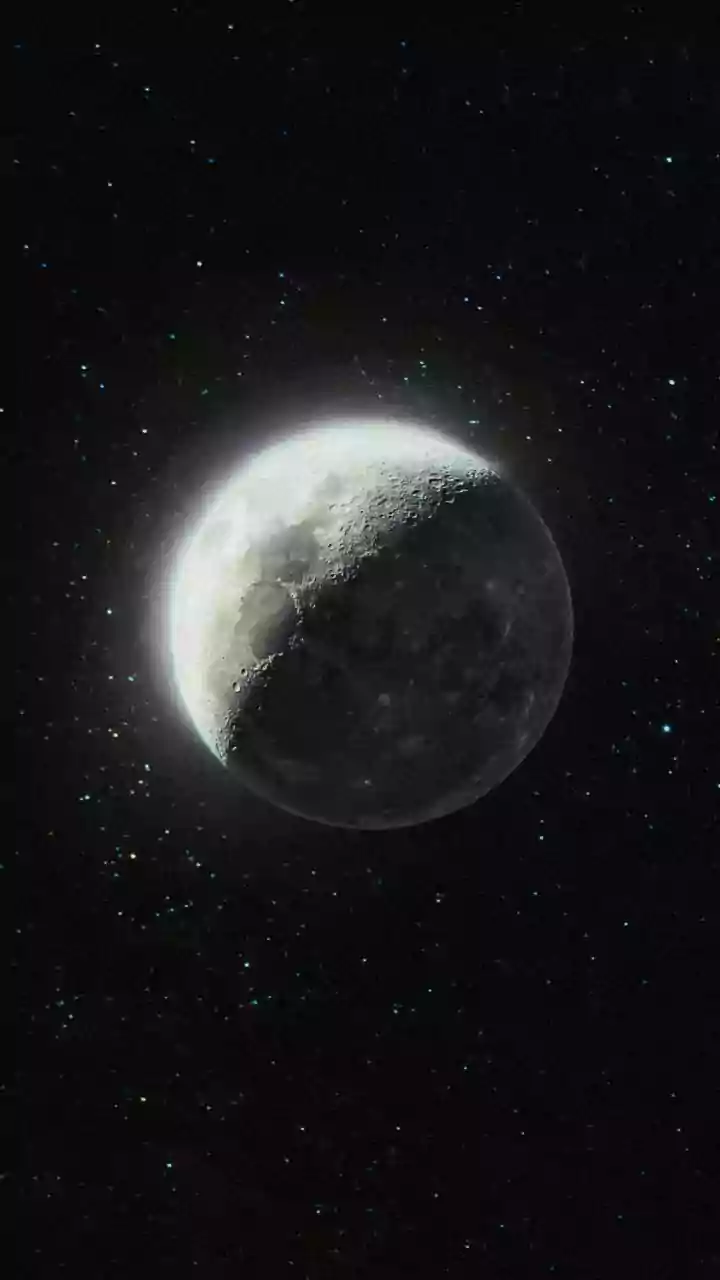
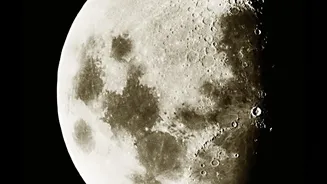
the Moon Mineralogy Mapper (M3), which returned the first definitive proof of water molecules on the lunar surface. This wasn't liquid water, but molecules bound to minerals in the soil. More importantly, data from Chandrayaan-1's own Moon Impact Probe and another radar instrument hinted at something even more valuable: deposits of water-ice, particularly in the permanently shadowed regions (PSRs) at the lunar poles. These are craters where the sun never shines, creating cold traps that could preserve ice for billions of years. This discovery single-handedly re-energized the global race to the Moon, transforming it from a place to visit into a place to stay.
Mapping the Treasure Trove
Finding signs of water was the first step; mapping it was the next. This is where ISRO's Chandrayaan-2 mission, launched in 2019, became critical. While its lander component was lost, the orbiter has been a resounding success, circling the Moon with a suite of advanced instruments. Its Dual-Frequency Synthetic Aperture Radar (DFSAR) has been especially crucial. This powerful radar can peer beneath the lunar surface, distinguishing the signature of buried ice from that of rough, rocky terrain. In a significant finding announced in May 2026, scientists using DFSAR data identified strong evidence of substantial subsurface ice deposits in several craters near the south pole. Recent studies suggest this subsurface ice could be five to eight times more abundant than surface ice, making it a much more promising resource. Chandrayaan-2's work has moved ISRO's contribution from initial discovery to detailed reconnaissance, creating a veritable treasure map for future missions to follow.
The Challenge of Eternal Darkness
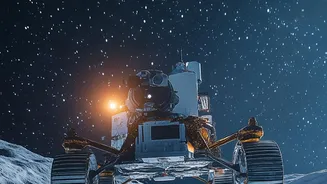
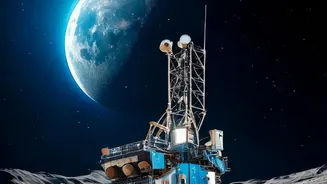
Extracting this ice is an immense engineering challenge. The PSRs that guard the water are among the most hostile environments in the solar system. Temperatures can plummet to an unimaginable -248 degrees Celsius. With no sunlight, solar-powered rovers are not a viable option, and any machinery must be able to withstand the extreme cold without its components failing. Furthermore, these craters can be deep and have treacherous, sloping terrain, making access difficult and dangerous for rovers. Any extraction process would likely involve drilling into the frozen regolith (lunar soil), heating it to sublimate the ice directly into water vapour, and then capturing and condensing that vapour. Designing, landing, and operating such complex machinery in complete darkness is a technological hurdle that multiple space agencies are working to overcome.
LUPEX: The Next Step with Japan
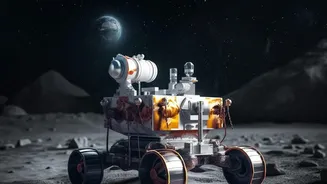
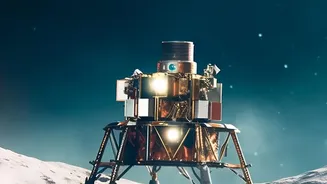
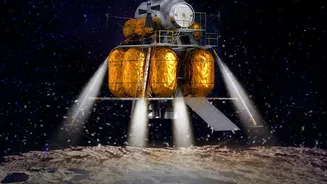
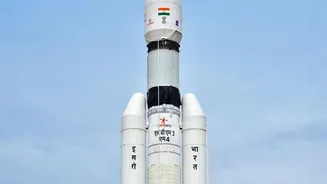
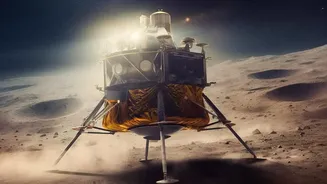
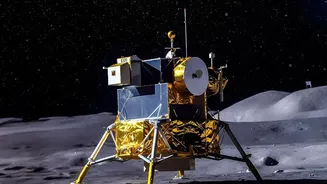
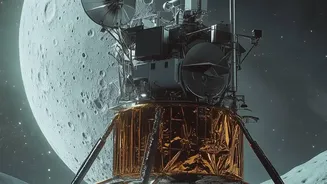
This is where ISRO's next major lunar project comes in: the Lunar Polar Exploration Mission (LUPEX), a joint venture with the Japan Aerospace Exploration Agency (JAXA). Scheduled for launch no earlier than 2028, LUPEX is designed to take the crucial next step from remote sensing to 'in-situ' or on-the-ground resource verification. For this mission, ISRO will provide the lander, building on the success of Chandrayaan-3, which made India the first nation to soft-land near the south pole. JAXA will provide a sophisticated, 350 kg rover equipped with a drill capable of extracting subsurface samples from up to 1.5 meters deep. The rover will carry instruments from ISRO, JAXA, NASA, and the European Space Agency to analyse the quantity and quality of water-ice found. LUPEX aims to be a true prospecting mission, confirming exactly what is there and how accessible it is, directly answering the questions raised by Chandrayaan-1 and -2.
From Ice to Air, Water, and Fuel
The reason this frozen water is so coveted is its versatility. For a future lunar habitat, mined ice provides the most fundamental necessity: drinking water. Through a process called electrolysis, the water molecules (H2O) can be split into hydrogen and oxygen. The oxygen can provide breathable air for astronauts inside their habitat. The hydrogen and oxygen are also the primary components of rocket propellant. The ability to manufacture rocket fuel on the Moon, a concept known as In-Situ Resource Utilisation (ISRU), would be a game-changer. It would dramatically lower the cost of space exploration, as fuel would no longer need to be hauled up from Earth's deep gravity well. A Moon base could become a refuelling station for missions deeper into the solar system, including to Mars.