







What is Geoengineering?
Geoengineering refers to the large-scale, deliberate manipulation of Earth's climate systems to counteract the effects of global warming. The proposals generally fall into two main categories. The first is Carbon Dioxide Removal (CDR), which aims to suck
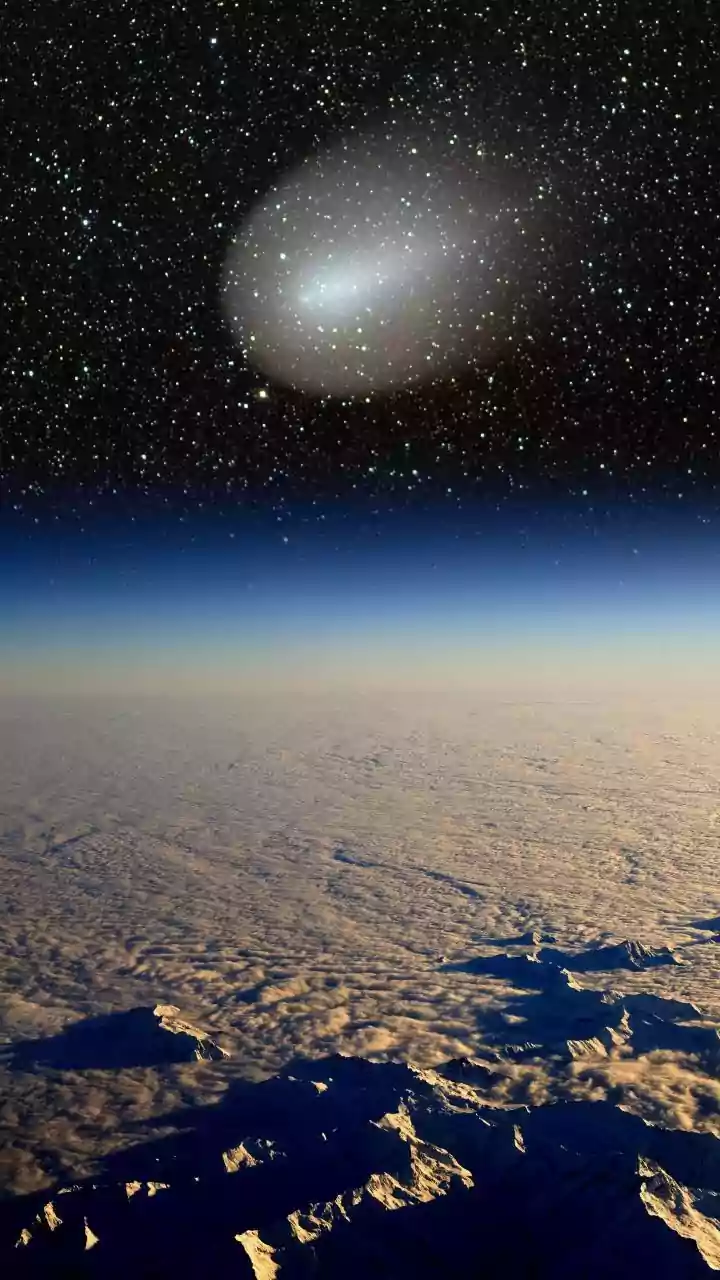
legacy carbon out of the atmosphere. This includes methods like planting vast new forests or building large industrial plants that capture CO2 directly from the air. The second, more controversial category is Solar Radiation Management (SRM). SRM doesn't reduce greenhouse gases; instead, it aims to cool the planet by reflecting a small fraction of sunlight back into space, essentially creating an artificial sunshade. The most discussed SRM method involves injecting reflective aerosol particles, like sulfates, into the stratosphere to mimic the cooling effect of large volcanic eruptions.
The Risk of Unpredictable Consequences
The primary concern for many scientists is the sheer unpredictability of tinkering with a system as complex as the global climate. Solar Radiation Management is a particular focus of this anxiety. While climate models suggest SRM could lower global temperatures, the regional impacts are highly uncertain. Experts warn it could drastically alter weather patterns, potentially disrupting the Indian summer monsoon, which is a lifeline for agriculture and over a billion people. The abrupt termination of an SRM project could lead to a sudden and catastrophic surge in temperatures, while the aerosols themselves could damage the ozone layer or cause acid rain. The UN Environment Programme has warned that SRM could harm biodiversity, oceans, and crops in ways we don't fully understand.
The Moral Hazard Dilemma
Beyond the physical risks, there is a profound ethical concern known as 'moral hazard'. Critics worry that the mere prospect of a technological get-out-of-jail-free card could undermine the political and social will to reduce carbon emissions—the root cause of the climate crisis. If governments and industries believe a tech-fix is on the horizon, they may be less motivated to make the difficult but necessary transition away from fossil fuels. Some oil and gas executives have already pointed to geoengineering as a way to justify continued operations for decades to come, confirming the fears of many scientists that it could become a dangerous distraction.
A Global Governance Nightmare
The geopolitical implications of geoengineering are staggering. Currently, no comprehensive international framework exists to regulate its research or potential deployment. This raises a host of thorny questions: Who gets to control the planet's thermostat? If one country deploys SRM, who is liable for unintended consequences, like droughts or floods, in another nation? The technology's relatively low cost could, in theory, allow a single nation or even a wealthy individual to act unilaterally, potentially triggering international conflict. Several attempts at the UN to create a formal scientific group to study the risks and governance have stalled, highlighting the deep divisions and lack of trust between nations on this issue.