




A Symphony of Light in the Indian Night
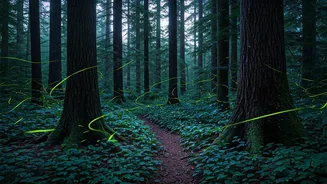
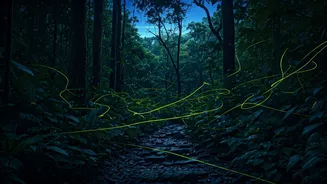
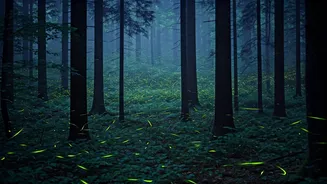
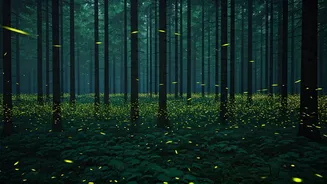
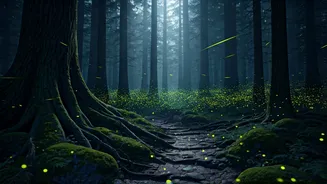
Each year, in a fleeting window just before the monsoon rains arrive, the forests of Maharashtra's Western Ghats come alive with a breathtaking display of bioluminescence. This natural wonder is the annual mating ritual of millions of fireflies. For a few
precious weeks, these insects synchronize their glowing abdomens in a dazzling courtship dance, creating waves of light that ripple through the trees and valleys. It’s a silent, awe-inspiring symphony that transforms familiar landscapes into something otherworldly. For travelers weary of curated light shows and digital displays, this is nature’s own immersive art installation, a primal and mesmerizing performance that has unfolded for millennia.
The 'Festival' Explained
While it’s called a “festival,” this isn't a single, ticketed event with a main stage. Instead, the term refers to the season when this phenomenon occurs, celebrated by a collection of local communities, eco-tourism groups, and trekking organizers. It’s a decentralized celebration of nature. Villages like Purushwadi, known as the “Firefly Village,” have built entire sustainable tourism models around it. Rather than a loud, crowded festival, the experience is about quiet, respectful observation. Tour groups lead small-batch night treks, and local families open their homes, offering simple, authentic stays. The “festival” is the collective human appreciation for a natural marvel.
When and Where to Go
The magic is fleeting. The firefly season typically runs from the last week of May through the third week of June, ending abruptly with the onset of heavy monsoon showers. The key is to time your visit during this pre-monsoon period when the humidity is just right. The spectacle unfolds in the Sahyadri mountain range (part of the Western Ghats), primarily in areas a few hours' drive from major cities like Mumbai and Pune. Popular hotspots include Bhandardara, a tranquil resort region with lakes and dams; Rajmachi, known for its historic fort and rugged trails; and the aforementioned Purushwadi, which offers a well-organized, community-run experience. Other notable locations include Samrad, Malshej Ghat, and various campsites around the periphery of the Bhimashankar Wildlife Sanctuary.
What to Expect on a Firefly Trek
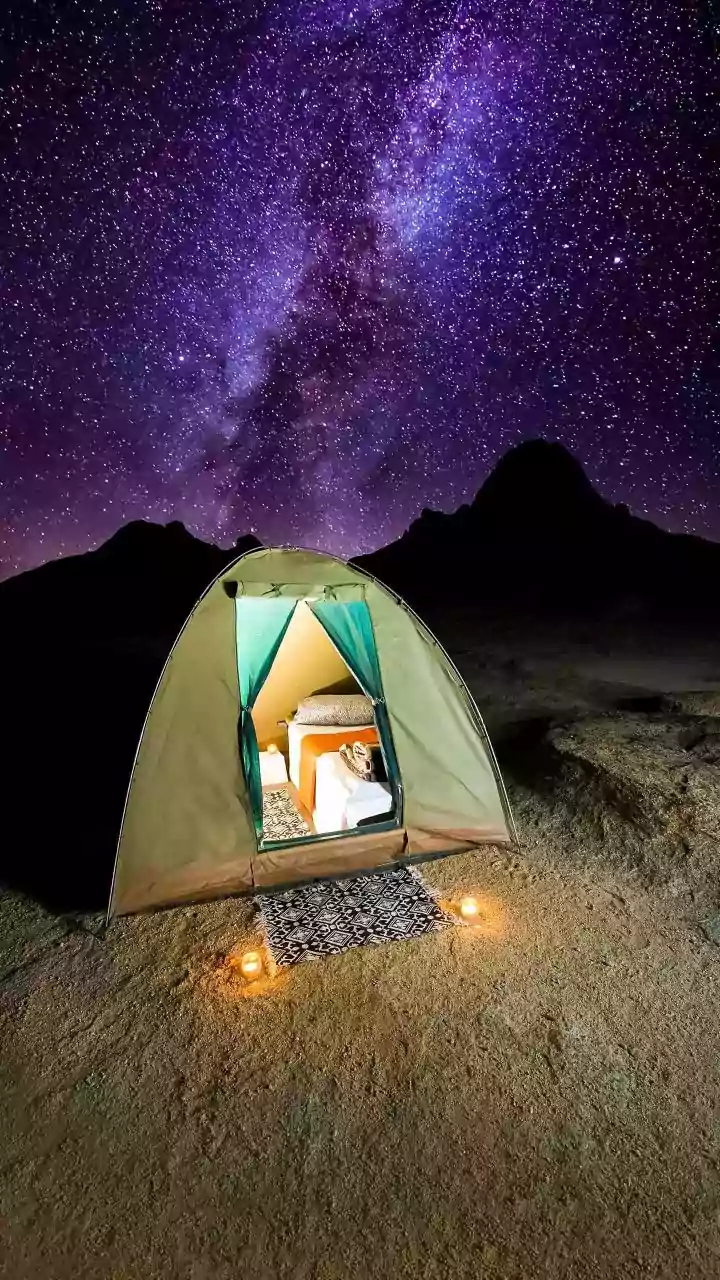
A typical firefly trek is less of a strenuous hike and more of a guided night walk. You’ll usually set out just after dusk with a local guide who knows the terrain and the best spots for viewing. The paths can be uneven and are, of course, dark, so sturdy footwear is a must. The experience is about sensory immersion—the scent of damp earth, the chorus of nocturnal insects, and the overwhelming visual of the pulsating lights. Accommodation is often basic, ranging from bring-your-own-tent camping to rustic homestays that provide a wonderful opportunity to experience local culture and cuisine. The point isn't luxury; it's a deep and direct connection with the natural world.
Responsible Viewing and Travel Tips
This delicate ecosystem requires mindful tourism. The fireflies are here for one reason: to reproduce. Disrupting them can threaten their population. The golden rule is to be as unobtrusive as possible. This means no flash photography, which can interfere with their signaling. Keep flashlights pointed at the ground and use red-filtered light if possible, as it’s less disturbing to wildlife. Never try to catch the fireflies. Dress in layers, as nights in the hills can be cool, and wear long sleeves and pants to protect against other insects. A light rain jacket is wise, as pre-monsoon weather can be unpredictable. Most importantly, maintain silence and simply absorb the magic. Your quiet respect is the best way to thank the forest for its show.