



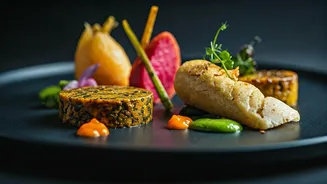


More Than Just Modern Vegetarian
Let’s get one thing straight: plant-based fusion is not just a trendy new name for vegetarian cooking. While India has a deep and ancient tradition of vegetarianism, with a breathtaking diversity of regional dishes, this new wave is something different.
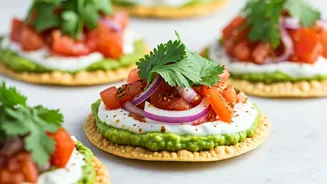
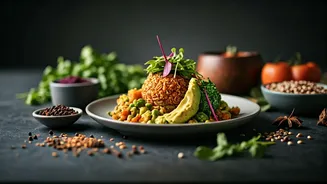
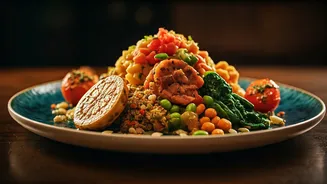
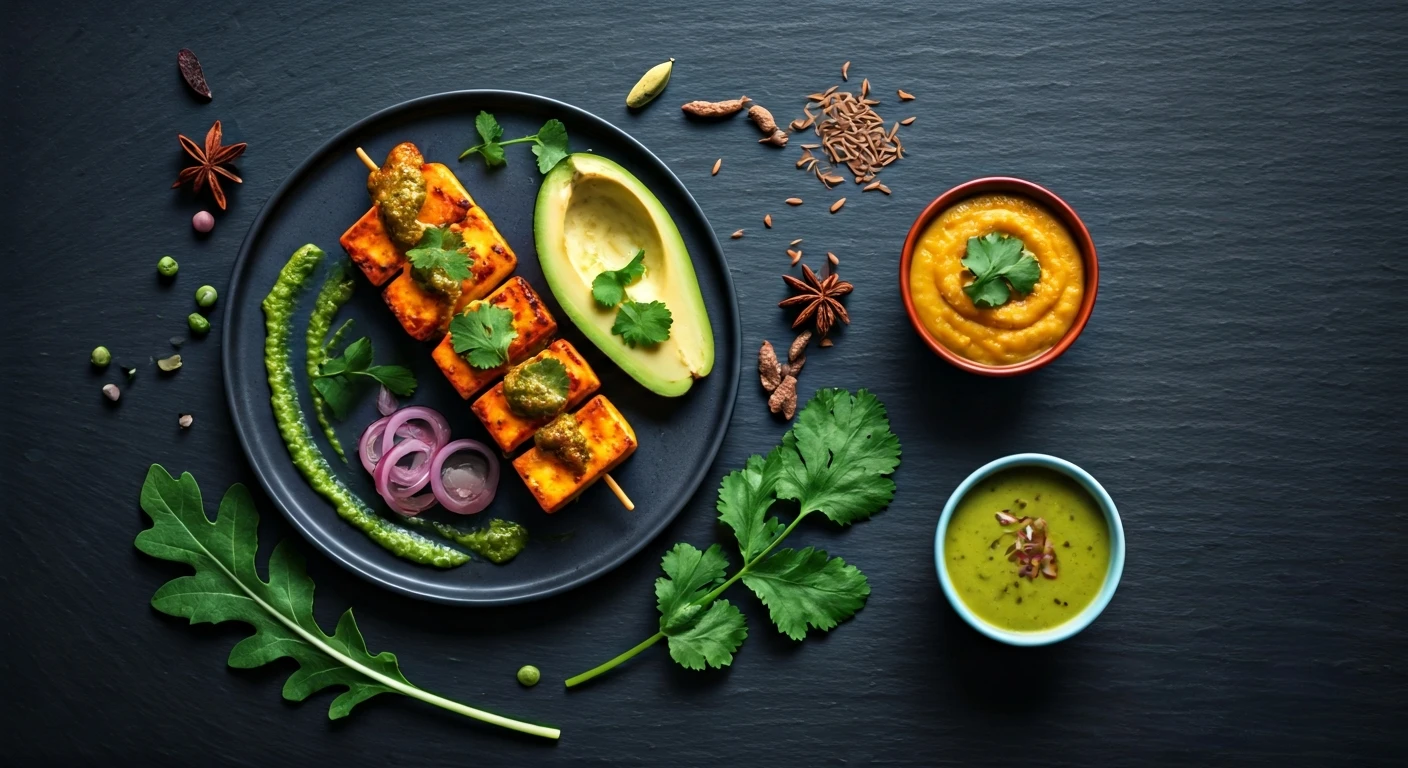
It’s about a conscious and creative blending of culinary worlds. Think of it as a dialogue between flavours, where a traditional Indian palak paneer might find itself wrapped in a delicate spring roll, or where the humble rajma gets a zesty makeover with avocado and lime in a Mexican-style bowl. It's less about sticking to rigid rules and more about asking, 'What if?' What if we used gochujang to spice up a baingan bharta? Or stuffed a paratha with feta cheese and olives? This playful approach is what defines plant-based fusion, moving beyond simple vegetarianism to create entirely new taste experiences that are both surprising and delightfully familiar.
The Perfect Recipe for a Trend
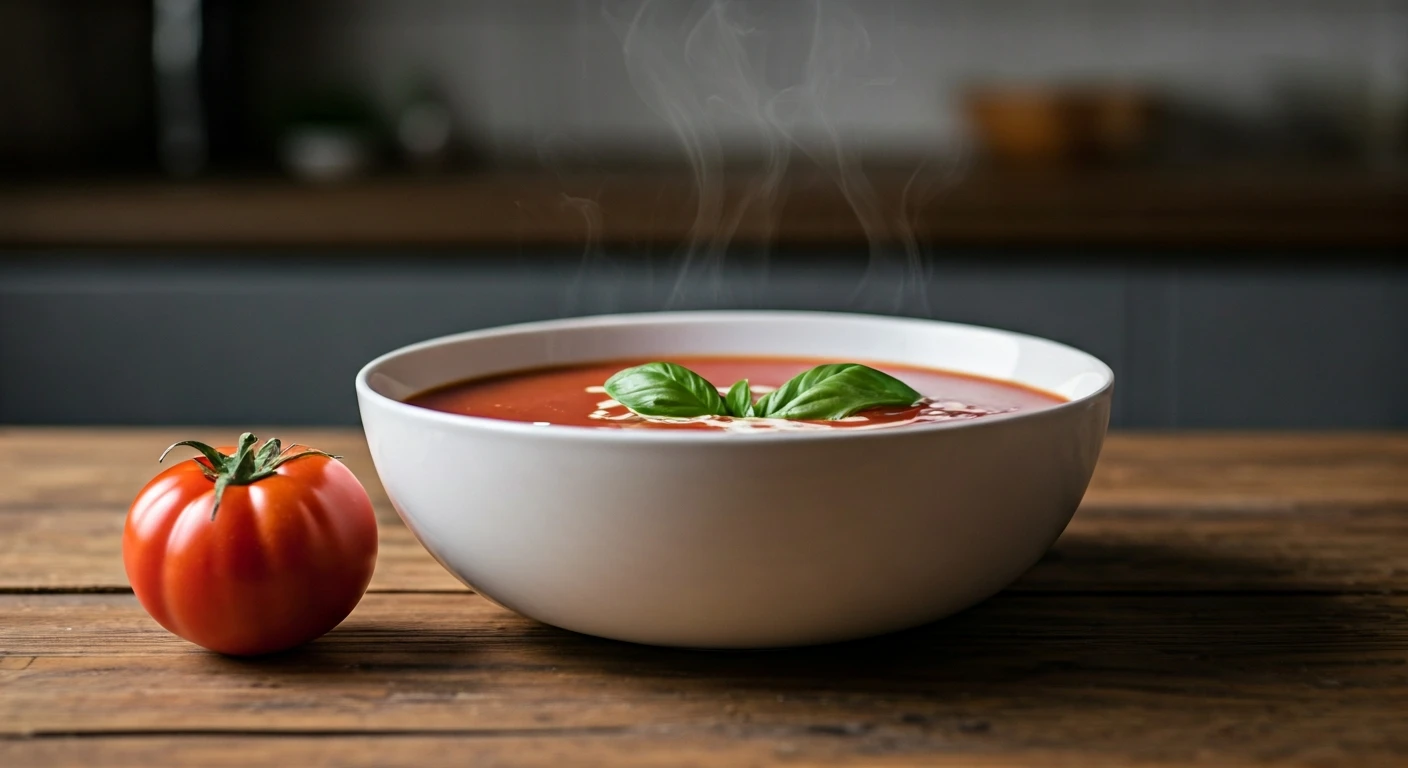
So why is this happening now? It’s a convergence of several major cultural shifts. Firstly, there's the global move towards plant-forward diets. More people, especially younger generations, are reducing their meat consumption for health, environmental, and ethical reasons. But they aren't willing to compromise on flavour or excitement. Secondly, our palates have become more global than ever. Thanks to the internet, travel, and the explosion of international food shows, we're exposed to a world of ingredients and techniques without leaving our homes. That bottle of Sriracha or tub of hummus in the fridge is no longer an exotic novelty; it's a pantry staple. Finally, social media platforms like Instagram and TikTok have turned every home cook into a potential food star. A visually stunning dish like a vibrant beetroot hummus platter or a beautifully plated jackfruit biryani can go viral, inspiring thousands to try their hand at creative cooking. This trifecta—health consciousness, global exposure, and social media—has created the perfect environment for plant-based fusion to thrive.
Global Flavours, Desi Heart
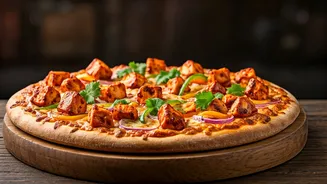
In India, this trend feels particularly natural. We are, after all, a nation of incredible culinary diversity and have been masters of fusion for centuries—just look at the enduring popularity of Indo-Chinese food. Today's fusion is simply casting a wider net. Chefs and home cooks are pairing the earthy spices of North India with the fresh, tangy notes of Mexican salsa. They’re infusing Italian pasta with classic Punjabi makhani gravy to create a creamy, decadent dish. We’re seeing tandoori mushrooms served in fluffy bao buns, and dosa wraps filled with Thai-style stir-fried vegetables. These combinations work because they respect the core principles of flavour—balancing spice, sweetness, acidity, and texture—while breaking down geographical boundaries. It’s a celebration of global ingredients through a distinctly Indian lens, creating food that feels both adventurous and deeply comforting.
Your Kitchen, Your Culinary Lab
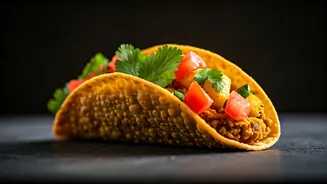
The best part about this trend is its accessibility. You don’t need to be a professional chef to get started. Begin with small, simple experiments. Have some leftover dal? Use it as a hearty filling for tacos instead of refried beans. Planning to make pasta? Sauté your vegetables with a pinch of pav bhaji masala before adding the tomato sauce for an instant flavour boost. A simple way to start is by thinking about swaps. Instead of paneer in your chilli paneer, try using crispy tofu. Instead of a standard aloo tikki, try making patties with quinoa and sweet potato, served with a mint-yogurt dip. The key is to be curious and not fear failure. Some combinations might not work, but others could become your new family favourites. Your kitchen is the perfect laboratory for this delicious new movement.