









The End of 'Dumb' Sleep
For centuries, sleep has been a passive activity. You go to bed, you wake up, and hope for the best in between. The occasional disruption from a noisy street or a stressful dream was just part of the deal. The tools we used, from basic alarms to sleep-tracking
apps, were largely reactive. They told you how badly you slept, but offered little in the way of real-time solutions. That era is coming to a rapid close. The next wave of innovation isn't just about tracking sleep; it's about actively managing and optimising it. The fundamental shift is from passive rest to dynamic, responsive slumber, turning your bedroom into a personalized sleep laboratory, managed by intelligent systems that learn your body's unique needs.
Meet Your AI Sleep Coach
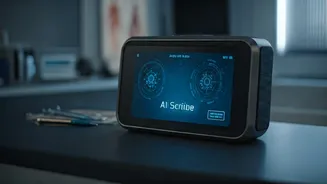
Imagine a coach that knows you better than you know yourself, available 24/7. This is the promise of AI in sleep technology. By 2026, advanced wearables and ambient sensors will go far beyond simply charting your sleep stages. They will integrate data from your entire day—your activity levels, your stress metrics, what you ate, even the tone of your voice in meetings—to build a holistic picture of your physiological state. The AI won't just present this data in a graph. It will act as a proactive coach. It might suggest, 'You had a high-stress afternoon. Let’s start a 10-minute wind-down breathing exercise at 9:45 PM.' Or, 'Your deep sleep has been low for three nights. Avoid that second cup of coffee tomorrow.' This isn't just data collection; it's personalised, actionable guidance designed to continuously improve your rest.
The Smart Bedroom Awakens
Your environment is arguably the biggest factor in sleep quality, and it's about to get a serious IQ boost. The future bedtime ritual involves your entire room working in concert to lull you to sleep. Smart lighting will automatically dim and shift to warmer, red-hued tones in the evening to stimulate melatonin production, then gently brighten with cool, blue-ish light to mimic a natural sunrise for a grog-free wake-up. Mattresses and pillows will have integrated climate control, subtly adjusting their temperature throughout the night to match your body's ideal thermal profile for each sleep stage. Even sound is getting an upgrade. Instead of a generic white noise machine, expect adaptive soundscapes that use biofeedback to play specific frequencies that enhance deep sleep or mask disruptive external noises in real-time.
Sensors Beyond the Wrist
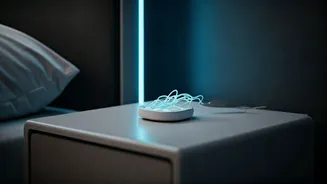
While smartwatches and fitness bands pioneered the consumer sleep-tracking movement, the next generation of sensors will be far more discreet and powerful. We're already seeing the rise of smart rings, which offer a more comfortable and often more accurate way to track heart rate, body temperature, and blood oxygen levels during sleep. But the real upgrade is the move towards 'non-contact' monitoring. Expect to see mattress pads, pillows, and even bedside devices that use radar-like technology to monitor your breathing rate, heart rate variability, and movement without you having to wear anything at all. This seamless data collection makes tracking effortless and provides a more accurate, long-term picture of your health without the friction of charging and wearing a device every night.
A New Definition of Rest
This technological leap is redefining what it means to be well-rested. It's no longer just about getting eight hours; it's about getting the right kind of hours. The data gathered won't just be for personal optimisation. Aggregated, anonymised data could help researchers understand sleep disorders on a massive scale. For individuals, consistent monitoring could provide early warnings for conditions like sleep apnea, atrial fibrillation, or even the onset of a respiratory illness. Of course, this raises valid questions about data privacy and the potential for 'orthosomnia'—an unhealthy obsession with achieving perfect sleep scores. The key will be to use these powerful tools as a guide, not a final grade, empowering us to listen to our bodies with a new level of understanding.