




From Cardio and Cricket to Deadlifts and Dumbbells
For decades, the mainstream idea of fitness in India was straightforward. It was the morning walk, the community yoga class, the occasional game of cricket, or endless hours on a treadmill. For women, the options were often even narrower, focusing on aerobics
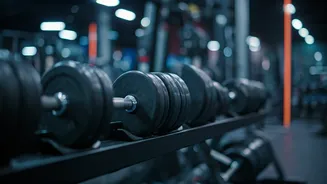
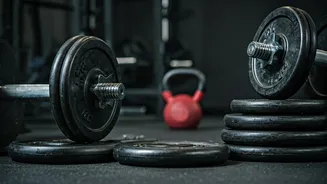
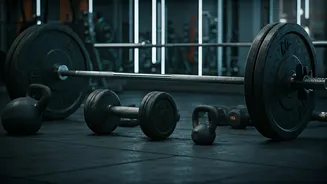
or yoga for flexibility. Lifting heavy weights was a niche activity, largely reserved for professional bodybuilders or athletes. But a cultural shift is underway. The narrative is moving away from a singular focus on weight loss and towards a more holistic vision of health that prioritizes muscle, endurance, and functional strength. This new ethos is about addition—adding muscle, energy, and capability—rather than subtraction.
The Social Media Flex
A major catalyst for this change is the device in everyone's pocket. Social media platforms like Instagram and YouTube have democratized fitness knowledge, making it more accessible than ever. A new generation of Indian fitness influencers is leading the charge, sharing workout routines, nutrition advice, and demystifying strength training for millions. Influencers like Sahil Khan, Guru Mann, Shweta Mehta, and Tanushree Talukder have built massive followings by showcasing the power of lifting. Their content, which often blends scientific explanations with motivational messages, has inspired many to pick up a barbell for the first time. This digital wave has helped break down old stereotypes, proving that strength training is for everyone, not just a select few.
A New Definition of 'Fit'
This trend also signals a powerful change in body ideals, especially for women. The aspiration is shifting from simply being thin to being strong, toned, and capable. This is visible not just online but in the increasing number of women populating the weights section of gyms, an area they were once implicitly excluded from. The focus is on what the body can *do*—lift heavier, run faster, move without pain—rather than just how it looks. This empowerment narrative is a significant driver, as building physical strength often translates into a huge mental and confidence boost. The goal is no longer just a concave tummy, but a body that feels powerful and resilient enough to handle daily life, from carrying groceries to preventing injuries in the long run.
The Post-Pandemic Health Awakening
The COVID-19 pandemic served as a global health wake-up call, and India was no exception. It accelerated a 'health and fitness consciousness' that was previously overlooked by many. With a new focus on immunity and proactive health management, people began looking for more effective ways to build resilient bodies. Strength training, with its proven benefits for metabolic health, bone density, and overall vitality, became an attractive option. The closure of gyms during lockdowns also led to a boom in home workouts and equipment sales, introducing many to resistance training through things like bands and kettlebells. As life returned to normal, this newfound interest followed people back into the gyms.
The Business of Brawn
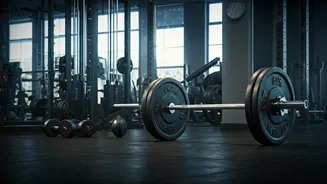
This boom is not just a cultural phenomenon; it's a massive economic one. India's fitness services market is projected to more than double by 2030, growing from ₹16,200 crore in 2024 to ₹37,700 crore. While gym penetration in India remains low compared to Western countries, the growth is explosive. This expansion is visible in the rise of organised gym chains, the emergence of raw 'warehouse gyms' in industrial spaces, and the rapid growth of boutique studios focusing on specific training styles like CrossFit or Pilates. This growth is spreading beyond metro areas, with Tier-II and Tier-III cities showing increasing demand for quality fitness infrastructure, signalling a structural change rather than a fleeting trend.