

Why Small Tears Are a Big Deal
The primary enemy of frozen food is air. When a package is torn or punctured, it exposes the food to the cold, dry environment of your freezer. This exposure leads to freezer burn, which occurs when moisture escapes from the food's surface through a process
called sublimation. The result is often tough, leathery patches and an unappetizing flavour and texture. While freezer-burned food is generally safe to eat, its quality is significantly compromised. Discoloration is a common sign; red meat might turn greyish-brown, while vegetables can become pale and develop a woody texture. Ice crystals forming directly on the food's surface, rather than just inside the bag, are another tell-tale sign that air has gotten in.
Beyond Quality: The Risk of Contamination
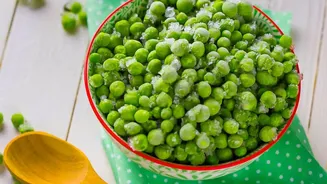
While freezer burn is a quality issue, a damaged package can also introduce food safety concerns. A breach in the packaging can expose the food to bacteria and other contaminants that might be present in your freezer. Think of spills from other items or simply the transfer of odours and flavours between foods. An open bag of frozen peas could end up tasting like the fish stored nearby. Furthermore, if a package is damaged before you buy it, you have no way of knowing what it has been exposed to during transport and storage. The U.S. Food and Drug Administration (FDA) advises against purchasing any food with visibly damaged packaging for this reason. A compromised seal means the food may have been exposed to temperature fluctuations or contaminants, increasing the risk of spoilage.
Your Quick Inspection Checklist
Developing the habit of a quick package check takes only a moment. Start at the grocery store, before an item even makes it into your cart. Look for any obvious holes, tears, or punctures in bags and boxes. Pay special attention to the seams and corners, which are often the most vulnerable points. For items in tubs, like ice cream, ensure the lid is on tight and the safety seal underneath is intact. A loose lid or broken seal suggests the product has been opened or compromised. Avoid packages with a heavy layer of frost or ice crystals on the outside, as this can indicate the product has thawed and been refrozen, which is a potential safety concern. The food inside should feel solidly frozen.
Found a Tear? How to Salvage Your Food
If you get home and discover a tear in a package you've already purchased, don't despair. The food is likely still safe to use, especially if the damage just occurred. The key is to protect it from further air exposure immediately. Your best bet is to re-wrap the item. You can place the entire original package into a heavy-duty, freezer-safe resealable bag, pressing out as much air as possible before sealing. Alternatively, transfer the contents to an airtight freezer-safe container. For larger or irregularly shaped items, wrapping them tightly in plastic wrap or heavy-duty aluminium foil provides an effective barrier against air and moisture loss. If you find a portion of the food already has minor freezer burn, you can simply trim off the affected area before or after cooking.
Best Practices for a Well-Maintained Freezer
Proper storage goes beyond just the packaging. To maintain the quality of all your frozen goods, ensure your freezer is set to 0°F (-18°C) or lower. Use an appliance thermometer to verify the temperature. Avoid overfilling the freezer, as this can restrict airflow, but try to keep it at least three-quarters full for optimal efficiency. When you add new items, place them in a single layer to help them freeze quickly, stacking them only after they are solid. This helps prevent the formation of large ice crystals that can ruin texture. Finally, try to limit how long you keep the freezer door open, as temperature fluctuations can accelerate freezer burn on all the contents inside. A well-organized freezer where you can find things quickly is your best defence.