



Beyond Button and Chilli
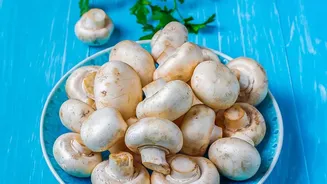
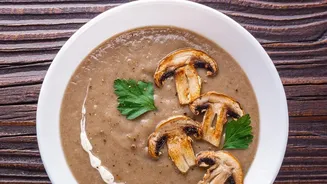
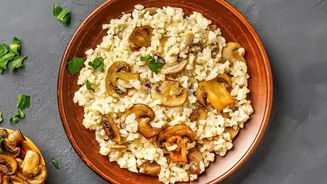
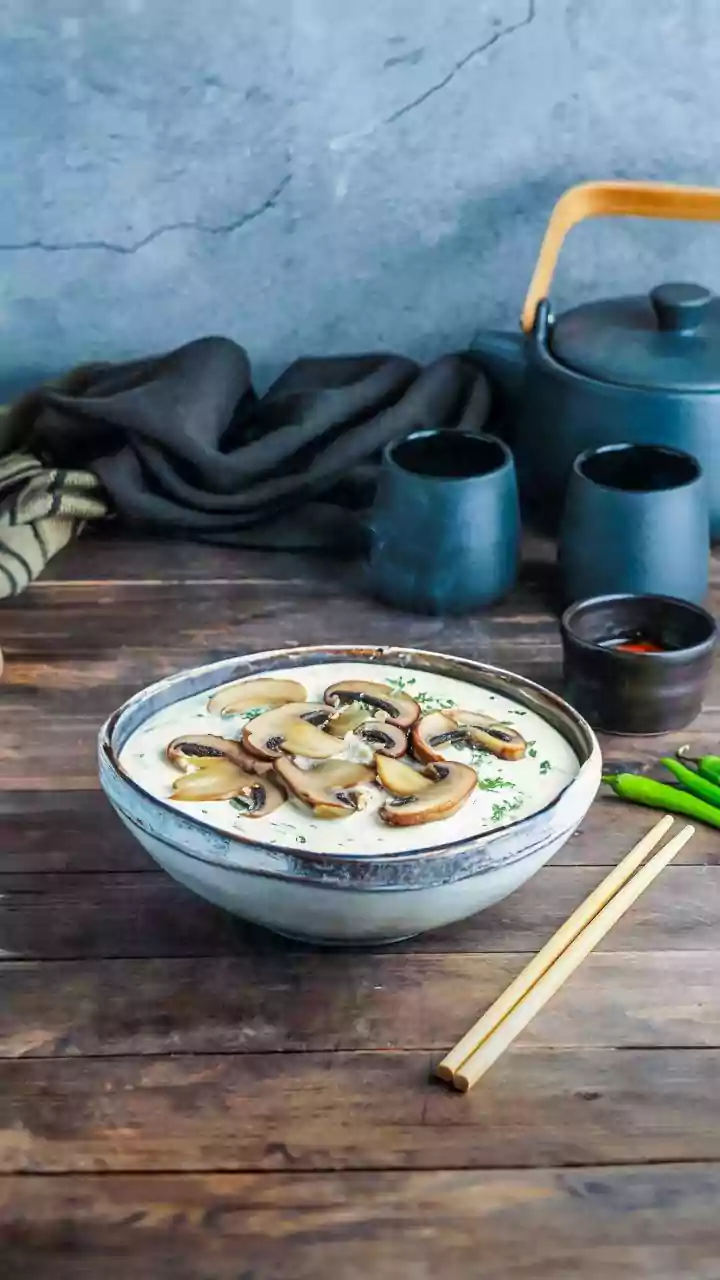
For years, the mushroom's role in Indian casual dining was predictable. It appeared as mushroom manchurian, chilli mushroom, or perhaps floating in a creamy soup. While delicious, these staples rarely showcased the ingredient's full potential. Today,
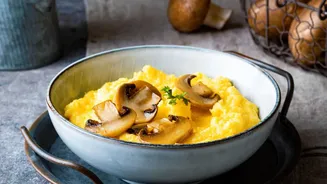
that's changing dramatically. A new wave of culinary creativity is sweeping through the nation's cafes, placing mushrooms front and centre. Chefs are moving beyond the common button mushroom, which has long dominated the market, to explore a world of gourmet and exotic varieties. This shift is not just about new recipes; it’s about a new respect for the fungus, celebrating its complex flavours and textures in ways that are both innovative and distinctly Indian.
A Forager's New Playground
The stars of this new movement are specialty mushrooms like shiitake, oyster, lion's mane, and even the prized morel (gucchi). Once considered rare or exclusive to fine dining, these varieties are now being cultivated by a growing number of Indian farmers and startups. Their unique profiles offer a vast playground for chefs. Meaty king oysters are being grilled like steaks, fibrous lion's mane is shredded to create a plant-based alternative to pulled pork or crab cakes, and the smoky, umami-rich flavour of shiitake is enhancing everything from broths to biryanis. This availability of fresh, locally sourced gourmet mushrooms is empowering cafes to craft menus that are sophisticated, surprising, and deeply flavourful.
The Triple Threat: Health, Sustainability, and Flavour
So, why mushrooms, and why now? The trend is fuelled by a confluence of factors. Firstly, there's the health angle. As more Indians become health-conscious, mushrooms are being recognised as a superfood rich in protein, vitamins, and antioxidants, yet low in calories. Their savoury 'umami' quality makes them a satisfying substitute for meat, aligning perfectly with the growing interest in plant-based diets. Secondly, mushrooms are a win for sustainability. They require significantly less land, water, and energy to grow compared to traditional livestock and many vegetable crops, often using agricultural waste as their growth medium. Finally, urban consumers are simply more adventurous, exposed to global food trends and eager to try new things, pushing chefs to innovate.
From Mushroom Coffee to Morel Kozhambu
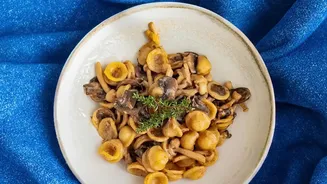
This culinary curiosity is on full display across the country. In Bengaluru, a city at the forefront of coffee culture, brands are creating whole-bean infused mushroom coffee using lion's mane extracts, promising cognitive benefits alongside a caffeine kick. In Goa, a chef is reimagining traditional Tamil recipes, creating dishes like morel kozhambu (a savoury stew) and using up to 17 different mushroom varieties in his pop-up menus. Meanwhile, trendy cafes in Mumbai and Delhi are offering everything from truffle-infused khichdi to pioppino mushroom pizzas and oyster mushroom tacos, proving the versatility of the ingredient. This experimentation shows that mushrooms are no longer confined to a single cuisine type but can be adapted across regional and international formats.
A Taste of the Future?
The rise of the mushroom from a humble sidekick to a menu hero reflects a broader evolution in India's food scene. It signals a move towards more conscious consumption, where flavour, health, and sustainability are interconnected. While the button mushroom still dominates commercial sales, the growing demand in cafes and restaurants for diverse, gourmet varieties is a clear indicator of where the market is headed. As local cultivation becomes more sophisticated and diner palates continue to expand, the mushroom trend seems poised for more than just a fleeting moment in the spotlight. It represents a fundamental shift, suggesting that the future of Indian cafe cuisine is flavourful, functional, and deeply rooted in the magic of fungi.