








More Than Just a Meal
What does it mean for a restaurant to tell a story? It’s the art of creating a cohesive narrative that connects the food, the ambiance, the service, and the brand's core mission. This strategy transforms a simple meal into a memorable, multi-sensory experience.
Instead of just selling dishes, restaurants are selling an identity. They are answering the crucial question of 'why' they exist, be it a passion for a specific cuisine, a commitment to sustainability, or a desire to revive forgotten family recipes. The goal is to build an emotional connection with guests, making them feel like they are part of something special and encouraging long-term loyalty.
The Chef as the Protagonist
A key element of modern restaurant storytelling is the elevation of the chef from a behind-the-scenes cook to the central character in the brand’s narrative. Their personal journey, culinary philosophy, and cultural heritage often form the backbone of the restaurant's identity. This humanises the brand, turning an abstract business into a relatable story of passion, hard work, and dedication. Diners are no longer just eating food; they are consuming a piece of the chef's history and creative vision. This approach is particularly effective with younger generations like Millennials and Gen Z, who prioritise authentic experiences and connection.
From Farm to Fable
Another powerful narrative thread revolves around the origin of the ingredients. With a growing consumer interest in sustainability and transparency, stories about where food comes from are more important than ever. Restaurants are crafting compelling tales about their relationships with local farmers, the journey of produce from the soil to the plate, and their commitment to seasonal sourcing. This 'farm-to-fable' approach doesn't just inform diners; it involves them in a larger story about community, environmental consciousness, and the quality of what they are eating. It provides a deeper level of connection beyond what's simply on the menu.
Designing an Immersive Narrative
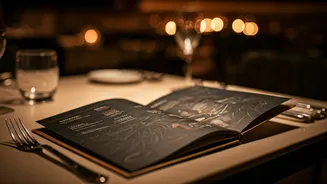
A strong story is reinforced through every touchpoint of the guest experience. The physical space itself becomes a stage. The interior design, lighting, music, and even the font on the menu are all carefully curated to support the central narrative. Is the restaurant telling a story of 1920s glamour, a rustic coastal shack, or a futuristic culinary lab? Every detail should contribute to that world. Staff are trained not just to serve food, but to be storytellers, sharing anecdotes about the dishes, the ingredients, or the chef's inspiration, further immersing the guest in the intended experience.
The Digital Appetite for Stories
The rise of this trend is inextricably linked to our digital lives. Platforms like Instagram and TikTok are visual storytelling machines, and diners are eager to share unique, narrative-rich experiences. A compelling story gives them something to talk about and share online, effectively turning customers into brand ambassadors. Restaurants leverage this by sharing behind-the-scenes content, introducing their staff, and detailing their sustainability efforts on social media. In a post-pandemic world where people crave connection and memorable moments, a restaurant that offers a great story provides more than just a meal—it offers an escape and an experience worth sharing.