


Understanding the Spectacle
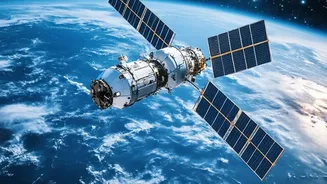
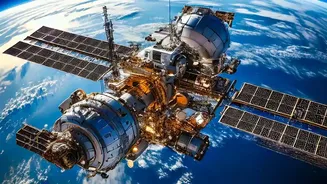
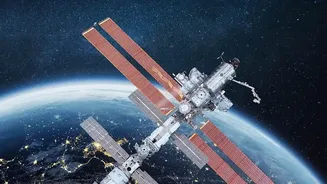
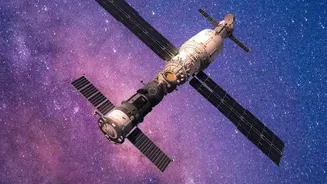
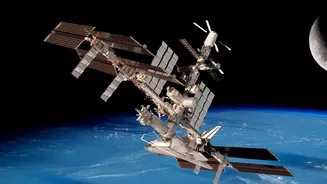
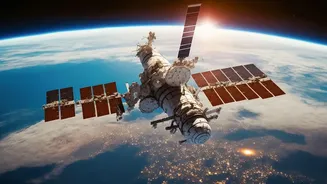
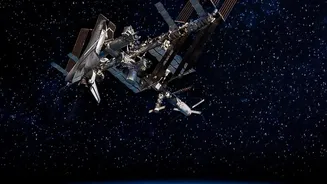
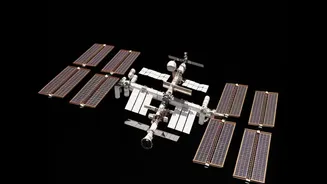
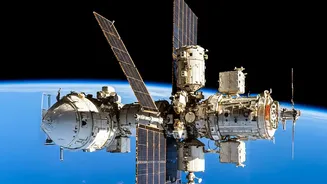
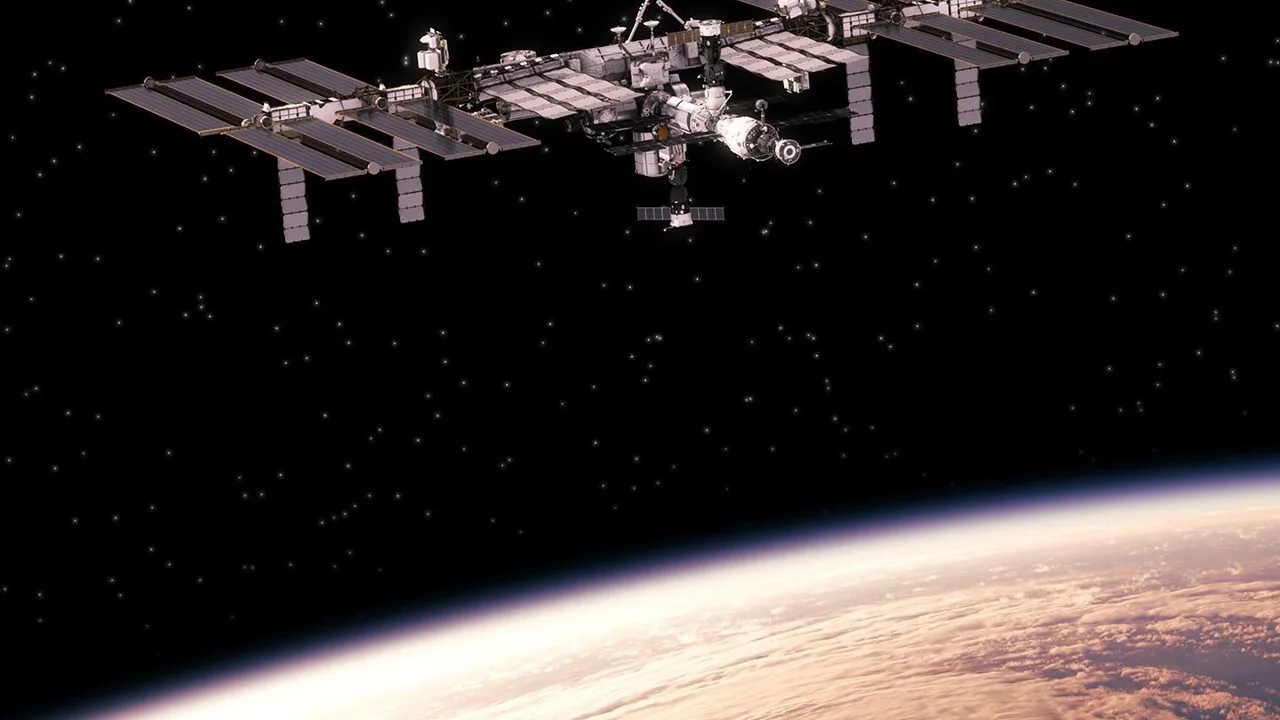
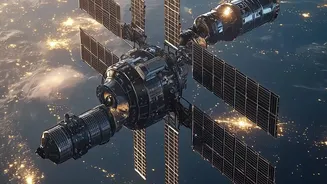
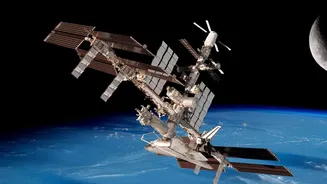
Orbiting about 400 kilometres above us, the International Space Station (ISS) is a football-field-sized laboratory in the sky. It's visible not because of its own lights, but because its massive solar arrays and modules reflect sunlight. This makes it the third
brightest object in the night sky, after the Moon and Venus. The best times to see it are during dawn or dusk, when the sky on the ground is dark, but the sun's rays can still reach the station's high altitude. This specific lighting condition is why viewing opportunities are often limited to a few hours before sunrise or after sunset.
Know When and Where to Look
The ISS circles the Earth at 28,000 km/h, completing about 16 orbits a day. To catch a glimpse, you need to know exactly when it will pass over your location. Thankfully, you don't have to do the maths yourself. Several fantastic tools are available to help. NASA's official 'Spot The Station' website and mobile app (for iOS and Android) are excellent resources. You can sign up for email or text alerts that notify you of upcoming viewing opportunities. Other popular and reliable options include the Heavens-Above website and app, ISS Detector, and Satellite Tracker, which all provide precise pass predictions.
Finding the Perfect Viewing Spot
You don't need to travel to a remote, dark-sky park to see the ISS; it's bright enough to be seen even from the middle of a city. However, for the best experience, find a location with a clear, unobstructed view of the sky, especially towards the direction the station will appear. City parks, open fields, or even a rooftop can work well. Try to get away from the direct glare of streetlights. Give your eyes a few minutes to adjust to the darkness before the pass begins. This simple step will dramatically improve your ability to spot the moving light.
What to Expect During a Sighting
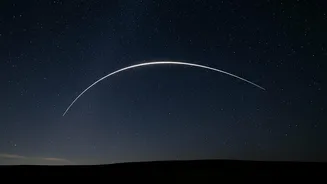
An ISS pass is not a fleeting moment like a shooting star. It will appear as a very bright, steady point of light moving smoothly and quickly across the sky. It looks like an airplane but travels much faster and, crucially, does not have flashing lights. A typical pass can last anywhere from two to six minutes, depending on its path. Your tracking app will tell you where to look, usually giving a direction like 'WNW' (West-North-West) for its appearance and a maximum height in degrees (90 degrees is directly overhead). Don't worry if it sounds complicated; an outstretched fist at arm's length covers about 10 degrees of the sky, a handy trick for judging altitude.
Gearing Up: Less Is More
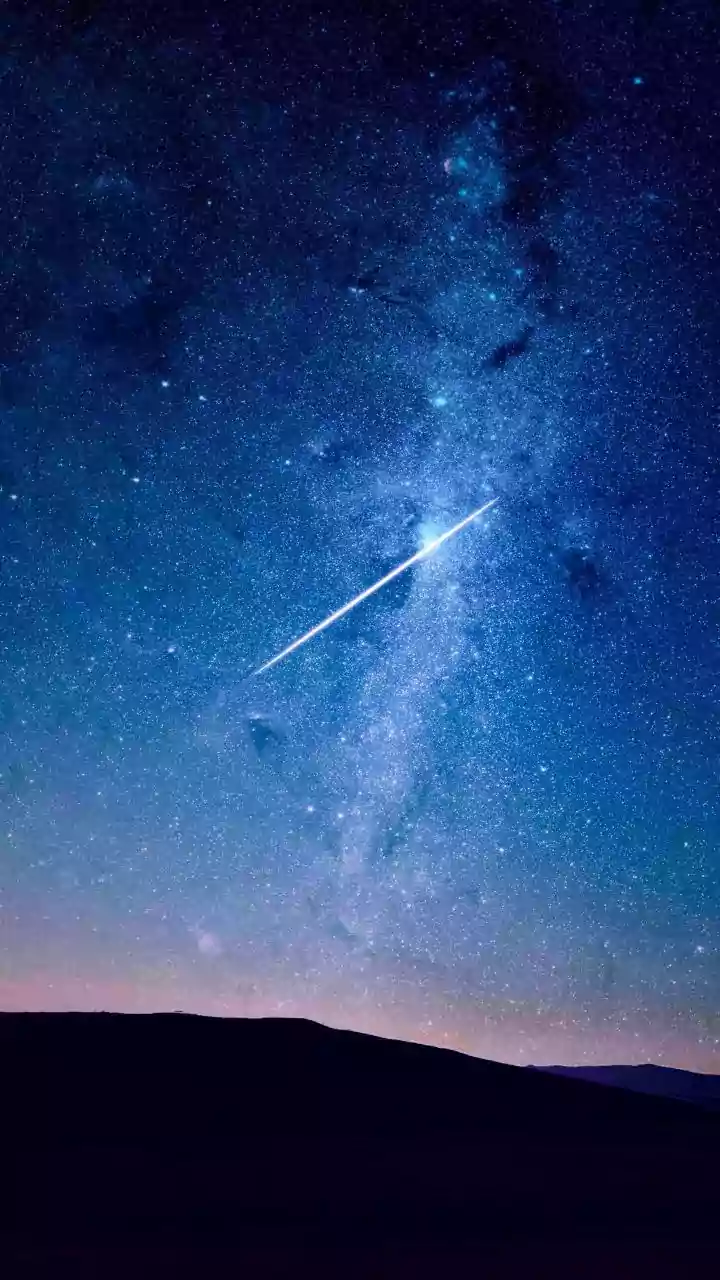
The best part about ISS spotting is that it requires no special equipment. The station is easily visible to the naked eye. In fact, trying to track its rapid movement with a telescope can be frustrating for a beginner. However, a pair of binoculars can enhance the view. While you won't be able to make out detailed shapes, binoculars will make the station appear as a brighter, more distinct object. For those interested in astrophotography, capturing the ISS requires a bit more setup, often involving long-exposure shots to create a light trail across the sky.