
The Planning, Not the Plants
Let's be clear: a well-planned plant-based diet is one of the healthiest ways to eat. The issue isn't the plants themselves, but what can get lost in the transition away from animal products. Experiencing fatigue or a dip in mental clarity isn't an inevitable
part of plant-based eating, but it can be a sign that your diet needs a tune-up. It often points to a gap in specific nutrients that are crucial for energy and brain function, which are either less abundant or harder for our bodies to absorb from plant sources. Vegan brain fog often comes down to a handful of key micronutrients that may be running low.
The B12 Blind Spot
Vitamin B12 is a non-negotiable for brain health, essential for nerve function, DNA synthesis, and red blood cell formation. Deficiency can lead to fatigue, memory problems, and even irreversible neurological damage. Since B12 is produced by microorganisms and is found almost exclusively in animal foods, it's the single most important nutrient for vegans to address. Up to 52% of vegans may have a B12 deficiency at some level. Relying on the small amounts in certain algae or unfortified fermented foods is not enough. For this reason, anyone on a strict plant-based diet should use fortified foods like plant milks and cereals or take a regular B12 supplement.
Ironing Out the Fatigue
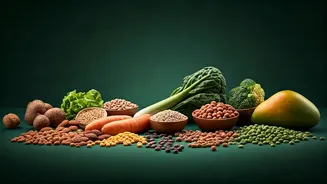
Iron is fundamental for transporting oxygen in your blood and is critical for energy production. A lack of it can lead to anemia, with classic symptoms of fatigue, weakness, and poor concentration. There are two types of iron: heme, found in animal products, and non-heme, found in plants. Our bodies absorb non-heme iron less efficiently. Furthermore, plant foods can contain compounds like phytates that may hinder absorption. To combat this, you should intentionally eat iron-rich plant foods like lentils, tofu, quinoa, and cashews. A simple trick to boost absorption is to pair these foods with a source of vitamin C, such as bell peppers, broccoli, or citrus fruits.
Brain-Boosting Fats and Nutrients
Your brain is about 60% fat, and omega-3 fatty acids, particularly DHA, are a cornerstone of its structure. While plant foods like flax and chia seeds are rich in the omega-3 ALA, the body's conversion of ALA into the crucial DHA and EPA is very inefficient, often less than 5%. These fatty acids are vital for reducing neuroinflammation and maintaining cognitive function. Similarly, choline is a key nutrient for memory and mood, as it's a precursor to the neurotransmitter acetylcholine. While the highest concentrations are in eggs and beef, it's also found in plant sources like soybeans, quinoa, broccoli, and Brussels sprouts. For both omega-3s and choline, a planned diet is key, and supplementation with algae-based DHA/EPA can be a strategic choice for many vegans.
The Quality of Your Diet Matters
Finally, not all plant-based diets are created equal. A diet centered around processed vegan junk foods, sugary drinks, and refined grains can lead to blood sugar swings and lack the micronutrients needed for sustained energy and focus. Conversely, a whole-food, plant-based diet rich in fruits, vegetables, legumes, whole grains, nuts, and seeds provides steady energy and a wealth of protective phytonutrients and antioxidants. If you're feeling fatigued, a good first step is to assess the overall quality of your plate. Focusing on whole, unprocessed foods is the foundation upon which nutrient-specific strategies can be built.