

The Gardener's Liquid Gold
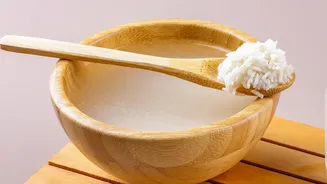
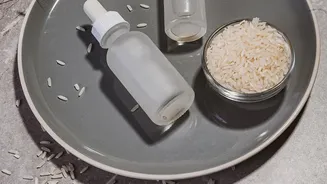
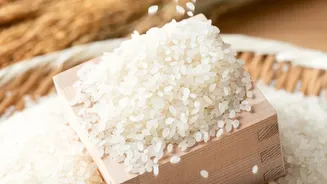
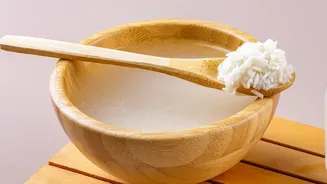
The practice of using 'hugas bigas', or the water from washing rice, has been a generational secret in many gardening communities, especially in Asia. Now, it's a worldwide trend. This cloudy liquid, once destined for the drain, is praised as a free,
gentle, and natural supplement for houseplants and garden vegetables alike. Rice water contains trace amounts of nutrients like nitrogen, phosphorus, and potassium (NPK), along with B vitamins and, most notably, starch. The core idea is simple: instead of waste, you get a mild fertilizer. However, how you apply it makes all the difference between helping and hindering your plants.
Why Feeding the Soil Works Best
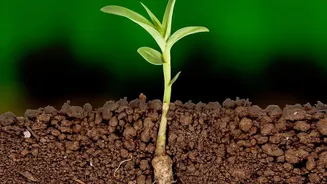
A plant's primary system for absorbing nutrients is its roots. Think of roots as the plant's mouth and stomach. They are specifically designed with vast networks of tiny root hairs that dramatically increase the surface area for absorbing water and dissolved minerals from the soil. When you pour rice water onto the soil, you’re not just feeding the plant directly; you're feeding the entire soil ecosystem. The starches in the water are a valuable food source for beneficial soil bacteria and fungi, like mycorrhizae. These microorganisms break down the complex carbohydrates and other organic matter into simpler forms that the plant's roots can easily absorb. This process builds healthier soil, improves its structure, and unlocks nutrients for long-term plant vitality. A soil drench provides a steady, sustainable source of nutrition right where the plant is built to receive it.
The Problem with Spraying Starch on Leaves
Spraying liquids on leaves, known as foliar feeding, can be effective for providing a quick dose of certain micronutrients. However, it is not an effective method for delivering complex carbohydrates like starch. Plants make their own starch through photosynthesis as a way to store energy; they are not evolved to absorb it through their leaves from an external source. Applying a starchy spray can do more harm than good. The starchy residue can coat the leaves, potentially blocking the tiny pores (stomata) that plants use for gas exchange. This can interfere with photosynthesis and respiration. Furthermore, a sticky, starchy film on leaves can attract pests and create a breeding ground for fungal diseases like powdery mildew. While a quick foliar spray might seem like a direct boost, in this case, it’s an inefficient method that risks stressing the plant.
How to Use Rice Water Effectively
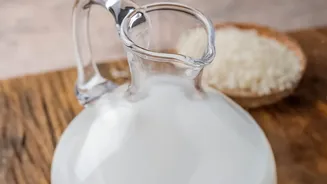
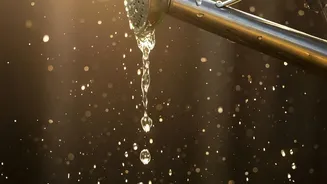
To harness the benefits of rice water without the downsides, follow a few simple guidelines. First, always use water from rinsing unsalted and unseasoned rice. Water from boiling rice is also usable but can be much thicker and higher in starch, so it should be diluted. While you can use the fresh rinse water immediately, many gardeners prefer to ferment it for a few days. To do this, leave the rice water in a loosely covered jar at room temperature for three to five days. It will develop a slightly sour smell. This fermentation process increases the population of beneficial microbes and can make nutrients more available. Whether fresh or fermented, it's best to dilute the rice water, especially if it’s thick (a 1:1 ratio with plain water is a good start). Use it to water your plants at the base, directly on the soil, about once a week or every two weeks as a supplement to your regular watering schedule.