

Rethink Your Leafy Greens
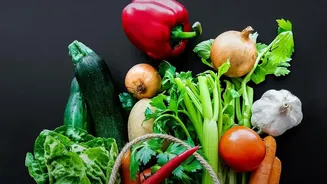
While normally a staple of a healthy diet, leafy greens like spinach, cabbage, and lettuce become risky during the monsoon. The damp, humid weather and mud create an ideal environment for bacteria, fungi, and worms to thrive on their surfaces. The complex,
layered structure of these vegetables makes them difficult to clean thoroughly, increasing the risk of gastrointestinal infections. If you must have them, opt for thorough washing, perhaps with a salt or vinegar water soak, and always cook them well instead of eating them raw in salads.
Embrace Seasonal and Pungent Vegetables
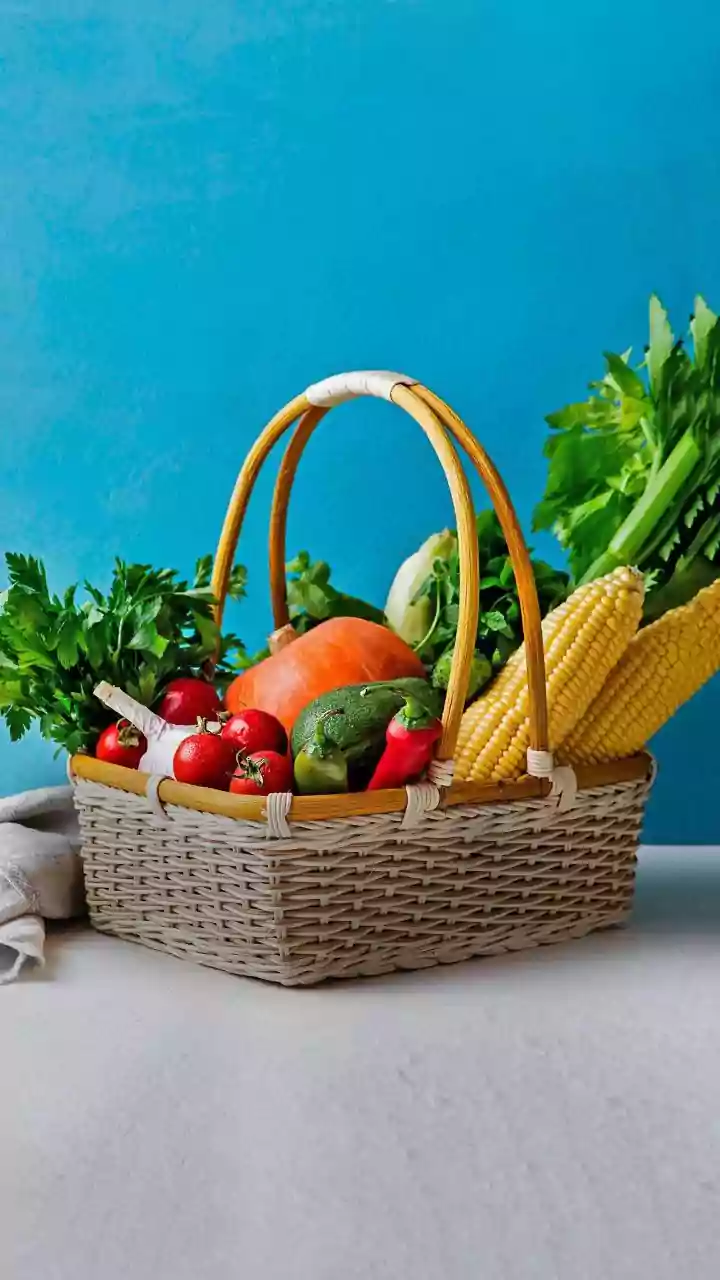
Instead of leafy greens, turn to seasonal gourds like bottle gourd (lauki), bitter gourd (karela), and ridge gourd (tori). These vegetables have a lower risk of contamination and are well-suited to the climate. Pungent and immunity-boosting choices like ginger, garlic, and turmeric are also excellent additions to your monsoon diet, not just for flavour but for their health-supporting properties. When buying vegetables, it's wiser to purchase smaller quantities more frequently to ensure freshness and reduce the chances of spoilage.
Be Cautious with Cruciferous Vegetables
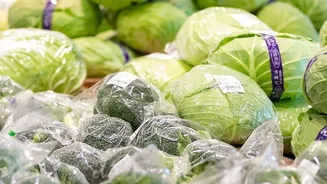
Vegetables like cauliflower and broccoli, while nutritious, should be consumed with caution. Their tightly packed florets and numerous crevices can easily trap moisture, dirt, and microbes, making them difficult to clean effectively during the frequent rains. This trapped moisture accelerates bacterial growth. If you choose to buy them, inspect them carefully and ensure they are cooked thoroughly to minimize any potential health risks.
Make Smart Protein Choices
The monsoon is not the best time for a lot of seafood, as water contamination can be high and this is often the breeding season for fish. It’s better to be cautious. Instead, focus on plant-based proteins like moong dal, chana, and other lentils which are easy to digest. If consuming meat or poultry, ensure it's from a reputable source, stored in the coldest part of your fridge, and cooked to a safe internal temperature to kill any bacteria that might multiply faster in the humid conditions.
Prioritise Pantry Hygiene and Storage
High humidity is the enemy of a well-stocked pantry. It makes biscuits soggy, causes spices to clump, and can lead to mould in flours and grains. The solution is airtight containers. Store everything from lentils and flour to spices and nuts in glass or steel jars with tight-fitting lids. For items like rice and flour, buying smaller, freshly milled packs is better than stocking up. Adding a few bay leaves to grain containers can also help deter pests.
Choose Your Fruits Wisely
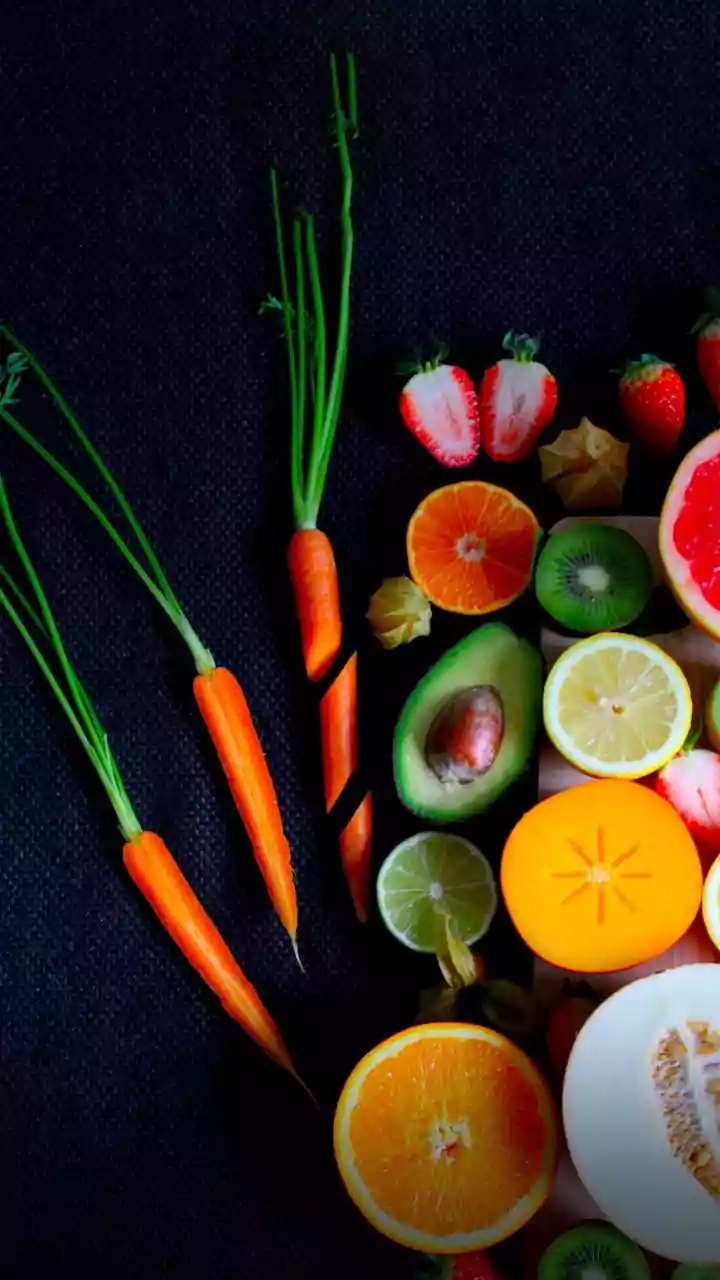
Opt for seasonal fruits like pomegranates, pears, and jamuns. These are not only at their peak but generally have a lower risk of contamination compared to fruits that are out of season. Always avoid pre-cut fruits sold by street vendors, as the risk of contamination from water or unhygienic handling is very high. At home, wash all fruits thoroughly under running water as soon as you bring them in. Consume them fresh and avoid leaving cut fruit exposed to the air for long periods.
Avoid Street Food, Especially Raw Items
The craving for hot pakoras on a rainy day is universal, but street food, particularly items containing water or raw ingredients, is incredibly risky during the monsoon. The water used for chutneys and pani puri can be contaminated, and the high humidity helps bacteria thrive on uncovered items. If you must indulge, opt for foods that are prepared fresh and served piping hot in front of you, as the heat helps kill most harmful germs. Warm, home-cooked meals are always the safest and best choice.