




The All-Important Fibre Factor
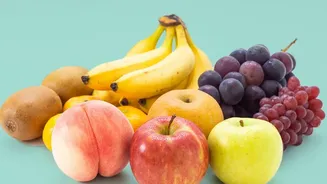
The most significant difference between eating a fruit and drinking its juice lies in one crucial component: dietary fibre. Whole fruits are packed with fibre, which is found in the pulp, skin, and cellular structure. This fibre is essential for digestive
health, helping to keep your system regular. When you juice a fruit, the process separates the liquid from the fibrous pulp and skin, meaning most of this beneficial fibre is discarded. While you still get vitamins and minerals, you miss out on the fibre that plays a key role in slowing digestion and promoting good gut health.
The Unfiltered Truth on Sugar
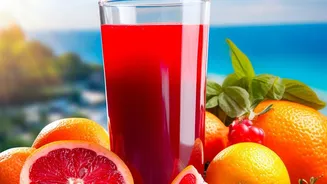
Without fibre to slow things down, the natural sugars in fruit juice hit your bloodstream much faster than when you eat a whole fruit. The fibre in whole fruit forms a gel-like matrix in your gut, which slows the absorption of sugar, leading to a more gradual rise in blood glucose levels. In contrast, the sugars in juice are considered 'free sugars', similar to those in honey or even sugary sodas, because they are no longer bound within the fruit's cellular structure. This can cause a rapid spike and subsequent crash in blood sugar and energy levels. Studies have even linked higher consumption of fruit juice to a greater risk of type 2 diabetes, whereas eating more whole fruits was associated with a lower risk.
Nutrient Loss in Translation
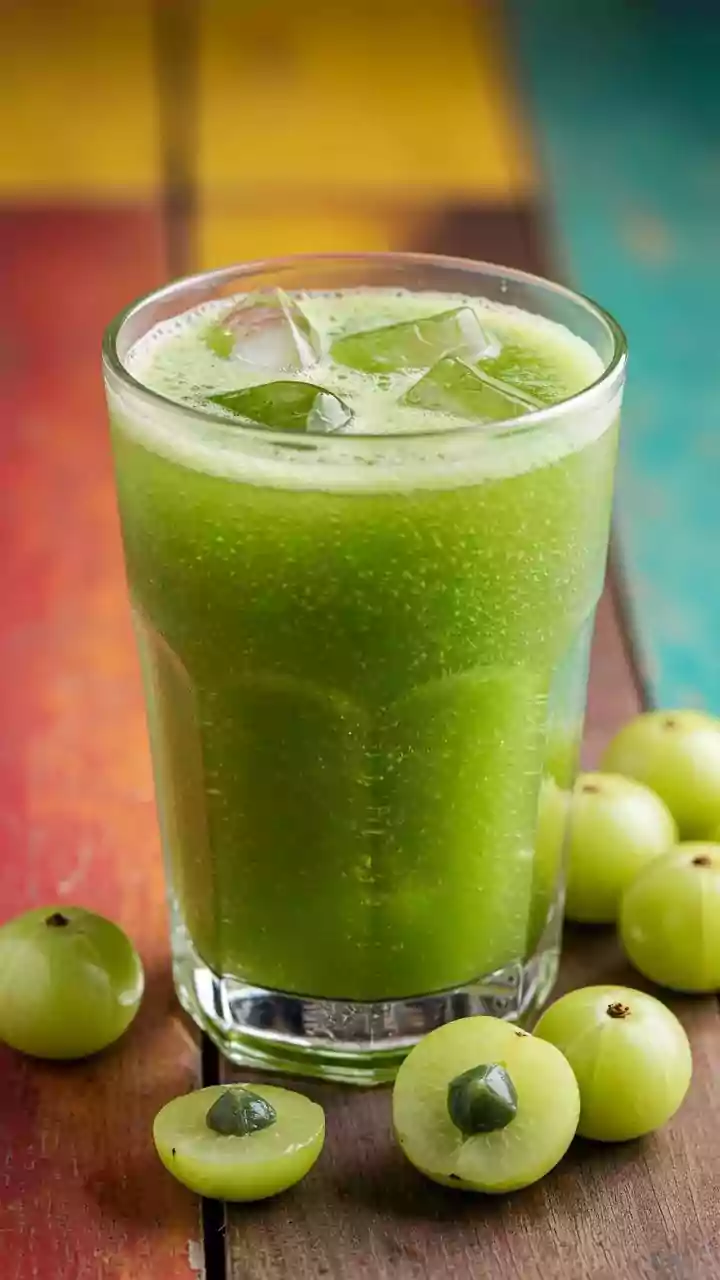
While fresh juice is often touted as a vitamin powerhouse, the juicing process itself can lead to nutrient loss. Many important antioxidants and phytonutrients are bound to the fibres in the fruit's pulp and skin, which are often thrown away. Furthermore, delicate compounds like vitamin C are sensitive to heat and oxygen. The friction and air exposure from high-speed centrifugal juicers can degrade these nutrients before the juice even reaches your glass. Although cold-pressed juices may retain more nutrients by minimizing heat and oxidation, eating the fruit whole remains the most reliable way to get the complete package of vitamins, minerals, and plant compounds.
Feeling Full vs. Drinking Calories
One of the key benefits of fibre is its ability to make you feel full and satisfied, a concept known as satiety. Chewing a whole apple takes time and effort, sending signals to your brain that you are eating. The bulk from fibre and water helps fill your stomach, reducing overall calorie intake in subsequent meals. Juice, on the other hand, is liquid calories. It's easy to drink a large glass containing the sugar of several fruits in seconds, without feeling nearly as full. This can lead to overconsumption and contribute to weight gain over time, as the calories from liquids are often registered differently by the body than those from solid food.
Is There a Place for Juice?
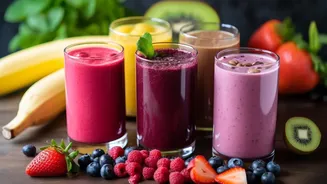
Despite its downsides, fresh juice is not necessarily a villain. It can be a convenient way to get a concentrated dose of vitamins, especially for those who struggle to eat enough whole fruits and vegetables. It can also be beneficial for individuals with digestive issues or difficulty chewing. If you do opt for juice, it's best to treat it as an occasional indulgence rather than a daily staple. Consider limiting your portion to a small glass (around 150ml) and diluting it with water. Blending a whole fruit into a smoothie is another better alternative, as it retains the fibre that is lost during juicing.