





That familiar feeling of stiffness in your neck, back, and hips after a long day at the desk is more than just a minor annoyance. It’s a sign that prolonged sitting is taking a toll on your joint health. But the solution isn't complicated.
Why Sitting Still Is So Stressful for Joints
Our bodies are
designed for movement. When we sit for extended periods, several things happen that can lead to joint pain and stiffness. Firstly, the lack of movement reduces the circulation of synovial fluid, a natural lubricant in our joints. This can cause friction and discomfort. Secondly, the muscles that support our joints, particularly around the hips and in the back, can weaken from inactivity, placing more strain directly on the joints themselves. This is often compounded by poor posture, such as hunching forward, which puts sustained stress on the neck, shoulders, and spine. Over time, this sedentary pattern can contribute to weight gain, which adds even more pressure to weight-bearing joints like the knees and hips. It can also accelerate the wear and tear on cartilage, the connective tissue that cushions our joints.
The Power of the Pause
Even if you exercise regularly, research suggests that it may not be enough to counteract the negative effects of sitting for eight hours a day. The key is to break up long periods of sitting with frequent, short bursts of activity. This doesn't mean you need to do a full workout every hour. The goal is simply to change your position and move. Standing up, walking to get some water, or doing a few simple stretches for one or two minutes can make a significant difference. Many experts recommend setting a timer to remind yourself to move every 30 to 45 minutes. This frequent movement helps restore circulation, prevents muscles from tightening up, and gives your joints a much-needed break from a static position. This approach can also improve focus, reduce stress, and boost overall productivity.
Simple Mobility Exercises for Your Desk
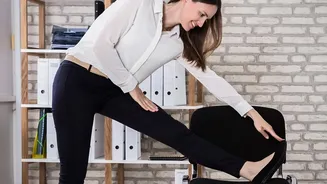
You can easily incorporate simple, discreet exercises into your workday to keep your joints mobile. For your neck and shoulders, try chin tucks by gently drawing your chin back as if making a double chin, and perform shoulder rolls forwards and backwards. To target the upper back, which often becomes rounded, practice shoulder blade squeezes by pulling your shoulder blades together and holding for a few seconds. A seated spinal twist, where you gently rotate your torso to look over your shoulder, can help mobilise your mid-back. For your wrists, which are under constant strain from typing, extend your arm and gently pull your fingers back towards you to stretch your forearm. Finally, to counteract tight hips, try a seated figure-four stretch by crossing one ankle over the opposite knee and gently leaning forward.
Optimise Your Workspace for Better Health
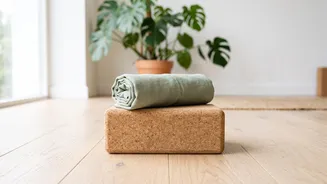
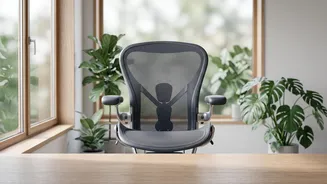
While movement is crucial, an ergonomic workspace provides a foundation for better joint health. Adjust your chair height so your feet are flat on the floor and your knees are roughly level with your hips. Your monitor should be positioned at eye level, about an arm's length away, to prevent you from craning your neck forward. Your keyboard and mouse should be placed at a height that allows your elbows to be bent at approximately a 90-degree angle, with your wrists in a straight, neutral position. If your chair lacks lower back support, a small pillow or rolled towel can help maintain the natural curve of your spine. The goal is to create a setup that minimises strain and encourages a more neutral posture, making it easier and more comfortable to work.