



Have you noticed your weekly grocery bill inching up? It's not just your imagination. While we see the price changes at the petrol pump, the real impact often appears silently in our shopping trolleys a few weeks later. Here’s how it works.
The First Link: Diesel on the Highway
The entire
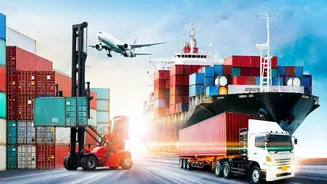
supply chain of goods in India runs primarily on diesel. From the long-haul trucks that carry grain across states to the smaller tempos that deliver fresh vegetables to your local market, diesel is the lifeblood of logistics. Recent reports show that even small increases in fuel prices, like the ₹3 per litre hike for diesel in early October, have an immediate effect. Although state-run oil marketing companies have kept prices largely stable, international crude oil prices remain a concern, trading at over $100 a barrel, which puts underlying pressure on the system. When the cost of this fundamental input rises, transport operators are the first to feel the pinch. Their largest variable expense has just gone up, and they cannot absorb this cost for long.
The Domino Effect: Transporters Adjust Their Rates
A transport operator running a fleet of trucks has to make a simple business decision. With fuel making up a significant portion of their operating costs—sometimes as high as 40-50%—any sustained price increase must be passed on. This is not a matter of choice, but survival. They raise their freight charges for the companies that hire them. So, the packaged goods company that needs to ship biscuits from a factory in Maharashtra to a distributor in Delhi now faces a higher transportation bill. Logistics companies have recently been raising their prices by as much as 10-15% to cover not just fuel but also other rising operational expenses. This increased freight charge becomes a new line item in the cost of getting that packet of biscuits to its next stop.
From the Mandi to the Distributor
The same logic applies to fresh produce. A farmer in rural Karnataka may sell their tomatoes at a certain price, but that is far from the final price you pay. Those tomatoes must be transported to a wholesale market, or 'mandi'. The cost of that truck journey is now higher. As a result, the wholesale price at the mandi is immediately inflated to include this new transport cost. Wholesalers and distributors who buy in bulk at the mandi then add their own margins before selling to smaller retailers. Their costs also include transporting the goods from the central market to their warehouses, and again, those transport costs have risen. This chain reaction continues, with each player in the supply chain passing the increased fuel cost down the line.
The Last Mile to Your Kirana Store
Finally, your local kirana store owner or the supermarket chain has to stock its shelves. They buy from the distributor, who has already factored in the higher transport costs into the price. The retailer also has 'last-mile' delivery costs—getting the goods from the distributor's warehouse to the store. This, too, is more expensive now. By the time a product lands on the shelf, its final price tag includes the accumulated transport cost increases from every single step of its journey. Retailers are already operating under pressure from rising input costs, and while they may absorb some of the increase to remain competitive, much of it is inevitably passed on to the consumer.
Why Fresh Produce Is Hit Hardest
Not all grocery items are affected equally. Fresh fruits and vegetables, which have a short shelf life and are transported frequently over long distances, are the most vulnerable to fuel price hikes. You might see the price of onions, tomatoes, or leafy greens fluctuate more dramatically. In September 2026, for instance, onion prices surged over 100% year-on-year, contributing significantly to food inflation. In contrast, highly processed items with a long shelf life, or goods that are sourced very locally, may show a slower, less pronounced price increase. Their supply chains are often more stable, and transport forms a smaller percentage of their total cost.