







The Allure of Spice Plantations
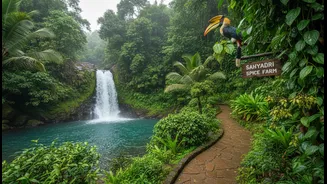
A journey into Goa's hinterlands is incomplete without visiting its famed spice plantations. These sprawling, organic farms, like Sahakari Spice Farm and Tanshikar Spice Farm, are verdant sanctuaries where you can see pepper, cardamom, nutmeg, and cinnamon
growing in their natural environment. A guided tour often begins with a refreshing herbal drink before you walk through aromatic pathways, learning how these valuable spices are cultivated. The experience is a feast for the senses, culminating in a traditional Goan meal, often served on banana leaves. This food, cooked with fresh, farm-grown spices, offers an authentic taste of the region's culinary soul. Many plantations are pillars of eco-tourism, showcasing sustainable farming and water conservation practices.
A Walk Through Heritage and History
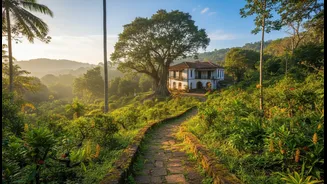
The soul of Goa resides in its villages. Away from the tourist hubs, villages like Chandor and Loutolim offer a glimpse into the state's Portuguese past and enduring traditions. Here, you can wander through quiet lanes flanked by colourful, centuries-old mansions. Some of these ancestral homes are open to visitors, allowing you to step back in time and admire the architecture and stories they hold. A heritage walk through Fontainhas, Goa’s Latin Quarter in Panjim, reveals cobbled streets and vibrant Indo-Portuguese houses that create a distinctly European feel. These tours often include interactions with locals, providing insights into their way of life and the history that shaped these unique communities.
Embracing the Wild Side
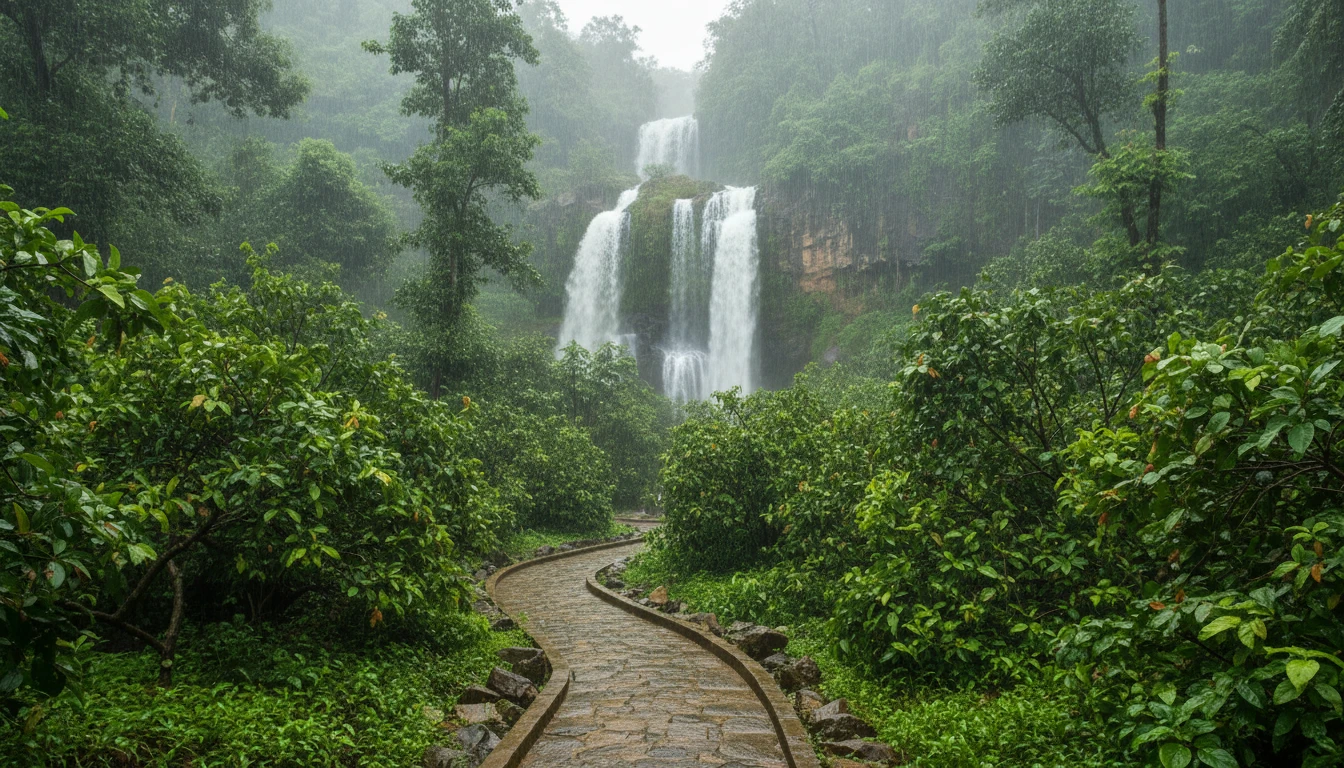
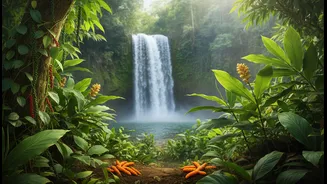
Goa's hinterlands are a haven for nature lovers, with the Western Ghats forming a backdrop of rich biodiversity. The Bhagwan Mahavir Wildlife Sanctuary, the state's largest protected forest area, is home to an incredible variety of flora and fauna, including deer, bison, and hundreds of bird species. Within this sanctuary lies Mollem National Park and the spectacular Dudhsagar Falls, one of Goa's most famous natural landmarks. The nearby Mhadei Wildlife Sanctuary is another biodiversity hotspot, notable for its hiking trails and waterfalls, and is even being considered as a tiger reserve. Exploring these parks, whether on a jeep safari or a guided trek, offers a powerful connection to the region's untamed natural beauty.
Savouring Farm-to-Table Feasts
The culinary scene in inland Goa is deeply connected to the land. The farm-to-table concept is not a trend here but a way of life. Many experiences invite you to forage for your own ingredients in a family-run plantation, known as a 'kulaghar', before participating in a cooking class where you learn to prepare traditional Goan dishes. These meals often feature recipes passed down through generations, using seasonal produce and time-honoured techniques like cooking in clay pots. This immersive approach offers more than just a delicious meal; it's a cultural exchange that connects you to the local community and the source of your food. From freshly baked 'poi' bread from a village bakery to fiery curries and the local spirit, Feni, the food tells the story of the land itself.