



The Science of Sunlight and Spoilage
That sunny spot on your kitchen counter might seem like a cheerful place for a fruit bowl, but it’s actively working against freshness. Direct sunlight affects fruit in two main ways: heat and light. The warmth from the sun accelerates the natural ripening
process. While a little warmth can help an under-ripe tomato, excessive heat causes fruit to over-ripen and rot quickly. Furthermore, the sun's rays can cause a process called photodegradation, which leads to discoloration and the loss of essential vitamins, like vitamin C. Some fruits, like apples and peppers, can even develop a condition similar to sunburn, where the skin and tissue are damaged, making them unmarketable. Storing fruit away from direct sunlight is a crucial first step in preserving its flavour, texture, and nutritional value.
The Ethylene Effect
Beyond sunlight, an invisible force is at play in your fruit bowl: ethylene gas. This naturally occurring plant hormone, sometimes called the 'ripening hormone', is released by many fruits as they mature. The presence of ethylene signals to the fruit to soften, change colour, and develop flavour. However, this process doesn't stop at peak ripeness; it continues, leading to aging and eventual spoilage. Some fruits are major producers of ethylene, while others are highly sensitive to its effects. Storing a high-ethylene producer next to an ethylene-sensitive fruit will cause the sensitive one to ripen and spoil much faster than it would on its own. Understanding this dynamic is key to smarter fruit storage.
Know Your Ethylene Producers
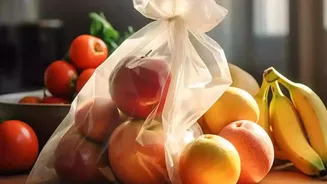
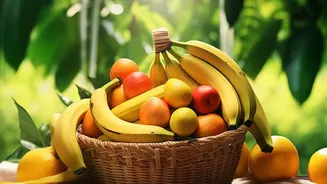
The main culprits in accelerating ripening are the high-ethylene producers. Being aware of these can help you strategically separate your produce. The most common ethylene super-producers include apples, ripe bananas, avocados, peaches, pears, nectarines, plums, and tomatoes. Even cantaloupe and honeydew melons release significant amounts of this gas. Think of these fruits as ripeners-for-hire. You can use this to your advantage; for example, placing a hard avocado in a paper bag with a banana will speed up its journey to perfect ripeness. But when your goal is to prolong freshness, it's best to give these fruits their own space, away from their more sensitive neighbours.
Protecting Ethylene-Sensitive Fruits
On the other side of the equation are fruits that are very sensitive to the ethylene released by others. Unripe bananas, for instance, are sensitive, which is why a bunch often ripens together so quickly. Berries, grapes, and citrus fruits like lemons and limes are also easily affected. When exposed to excess ethylene from other fruits, leafy greens can lose their colour, carrots can turn bitter, and broccoli may start to yellow. To maximise shelf life, always store ethylene-sensitive produce separately from the high-producers. This simple act of separation can prevent premature spoilage and help you get the most out of your groceries.
The Great Debate: Counter or Fridge?
Deciding where to store fruit isn't always straightforward. Some thrive in the cold, while others are damaged by it. Bananas, for example, should be kept on the counter; refrigeration can cause their skins to blacken while the inside remains under-ripe. Tomatoes also belong at room temperature, as the cold can make their texture mealy and dull their flavour. Stone fruits like peaches and plums, as well as avocados and pears, should be ripened on the counter first and then moved to the fridge to prolong their life. On the other hand, fruits like apples, berries, and grapes last significantly longer when refrigerated. Apples can soften ten times faster at room temperature than in the fridge. Berries should be stored dry in covered containers in the fridge and only washed right before eating to prevent mould.
Simple Tricks for Lasting Freshness
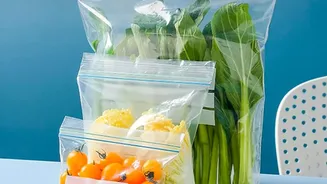
A few extra habits can make a big impact. Avoid washing most fruits until you're ready to eat them, as moisture can encourage mould and bacterial growth. An exception is leafy greens, which can stay crisper if washed, dried thoroughly, and stored in a bag with a paper towel. For berries, a quick soak in a solution of one part vinegar to three parts water before drying and storing can kill mould spores and extend their life. When storing produce in the fridge's crisper drawer, remember that it's designed to maintain humidity. Storing ethylene-producing fruits and ethylene-sensitive vegetables in separate drawers can prevent unwanted ripening. Finally, don't be afraid to use your freezer. Overripe bananas are perfect for baking, and many fruits can be frozen at their peak to be used in smoothies later.