







Understanding the Sattvik Philosophy
In Ayurveda, foods are categorized into three 'gunas' or qualities: Sattva (purity, harmony), Rajas (activity, passion), and Tamas (inertia, dullness). A Sattvik diet focuses on foods that are pure, fresh, light, and easy to digest, promoting mental clarity
and physical well-being. It avoids Rajasic foods, which are overly stimulating (too spicy, salty, or sour), and Tamasic foods, which are heavy, stale, or processed. During a fast, when the digestive system is more sensitive, adhering to Sattvik principles can make a significant difference in how you feel.
Embrace Fresh and Natural Foods
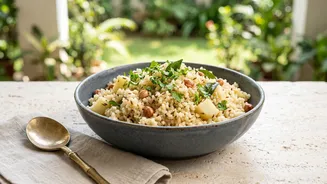
The cornerstone of Sattvik eating is the consumption of fresh, natural, and minimally processed foods. During fasts like Navratri, this means choosing seasonal fruits, fresh vegetables, and whole grains meant for fasting, like barnyard millet (samak rice) or buckwheat (kuttu). These foods are rich in fibre and natural nutrients, which support gut health and ensure smooth digestion. Conversely, it's wise to avoid packaged and processed fasting snacks, which are often high in salt and preservatives and considered Tamasic, leading to heaviness and digestive strain.
Cook Light and Avoid Heavy Frying
A common mistake during fasting is turning Sattvik ingredients into heavy, greasy meals. Deep-frying fasting staples like potatoes or sabudana makes them Tamasic, burdening your digestive system and triggering acidity. The Sattvik approach prefers gentle cooking methods like steaming, boiling, or light sautéing with a small amount of ghee. For example, a lightly cooked sabudana khichdi is much easier on the stomach than deep-fried sabudana vadas. This simple shift prevents the digestive system from becoming sluggish and reduces the likelihood of heartburn.
Choose Cooling Spices and Ingredients
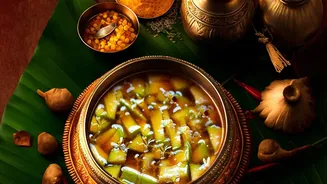
While Rajasic foods like onion, garlic, and excessive red chilli are known to aggravate Pitta (the fire element in Ayurveda) and cause acidity, Sattvik cooking uses gentle, cooling spices. Spices such as cumin (jeera), coriander (dhania), fennel (saunf), and cardamom not only add flavour but actively aid digestion without overstimulating the stomach. Incorporating cooling ingredients like cucumber, bottle gourd, and dairy products like fresh yoghurt and buttermilk can also help pacify internal heat and keep acidity at bay.
Mindful Eating and Proper Hydration
The Sattvik philosophy extends beyond just 'what' to eat; it also includes 'how' to eat. Eating slowly, in a calm environment, and only until you are comfortably full prevents overloading the digestive system. It's also advised to avoid lying down for at least two to three hours after a meal to prevent acid reflux. Hydration is equally critical. Sipping on water, coconut water, or herbal teas throughout the day keeps your system flushed, aids digestion, and prevents the sluggishness that can come from eating starchy fasting foods.