







More Than Just Hitting 'Start'
For years, the fitness world has been dominated by a culture of 'more': more intensity, more data, more solitary grind. We strapped on trackers, competed against our past selves, and often ended up feeling more isolated than inspired. The rise of the walking
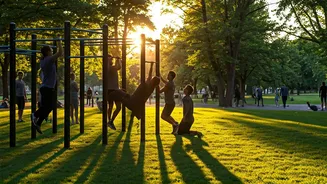
club is a quiet rebellion against this. It reclaims fitness as a joyful, social activity. The goal isn't just to burn calories but to build friendships, de-stress after a long day, and rediscover the simple pleasure of moving your body in the open air. It's a low-pressure environment where conversation flows as freely as the footsteps, making it an antidote to both loneliness and a sedentary lifestyle.
The Post-Pandemic Push for Connection
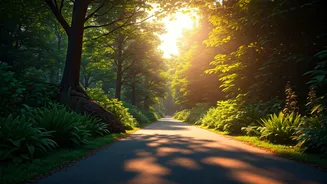
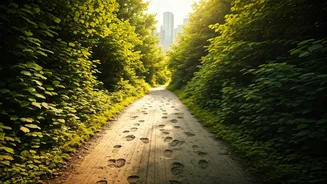
The global pandemic fundamentally changed our relationship with community and the outdoors. After months of lockdowns and digital-only interactions, there's a collective craving for tangible, real-world connections. Walking clubs perfectly cater to this need. They offer a structured yet informal way to meet new people and reconnect with neighbours. Unlike a crowded cafe or a formal event, walking side-by-side creates a comfortable space for conversation. This shift explains why local parks in cities like Mumbai, Delhi, and Bengaluru are now buzzing with groups of all ages, striding together in the early mornings or cool evenings. It's a low-cost, high-reward activity that rebuilds the social fabric one walk at a time.
The Science-Backed Simplicity
While the social aspect is a huge draw, the physical and mental health benefits of walking are undeniable. As a low-impact exercise, it's accessible to nearly everyone, regardless of age or fitness level. It improves cardiovascular health, strengthens bones, and helps manage weight without putting excessive strain on the joints. But the mental health boost is just as significant. Studies have consistently shown that brisk walking can reduce symptoms of anxiety and depression. Doing it in a group amplifies these effects; the combination of physical activity, social interaction, and exposure to nature (or even just the urban landscape) is a powerful cocktail for improving mood and reducing stress.
From #HotGirlWalk to Neighbourhood Group
The trend has also received a massive boost from social media. The #HotGirlWalk phenomenon, which started on TikTok, reframed walking not as a chore, but as an act of empowerment and self-care. It encouraged people to put on their favourite playlist, think about their goals, and appreciate themselves while getting their steps in. In India, this digital trend quickly morphed into a real-world movement. Influencers and regular citizens alike began organising meetups, turning a solo digital trend into a collective, community-driven activity. This online-to-offline pipeline has been crucial in mobilising a younger generation to embrace the simple power of a group walk.
How to Find Your Walking Tribe
Feeling inspired to join? Finding a walking club is easier than you think. Start by searching on social media platforms like Instagram and Facebook. Use hashtags like #[YourCity]Walks or #[YourNeighbourhood]WalkingClub. Community apps such as Meetup or MyGate often have listings for local groups. Don't underestimate old-school methods, either—check the notice boards at your local park, community centre, or residential society. Many groups are informal and grow through word of mouth, so simply asking around or striking up a conversation with a group you see walking regularly can be your ticket in.
Can't Find One? Start Your Own!
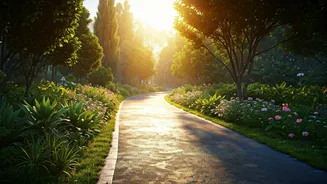
If a club doesn't exist in your immediate area, creating one is surprisingly simple. Start small. Invite a couple of friends or neighbours for a walk at a set time and place. Create a simple WhatsApp group to coordinate and keep the momentum going. Consistency is key—even if only two people show up initially, stick to the schedule. As others see your group walking regularly, they'll likely ask to join. You don't need a fancy name or formal structure. All you need is a safe, well-lit route and a commitment to showing up. The community will build itself from there.