







An Ancient Answer to a Modern Problem
We’ve all been there: after a heavy meal or a stressful day, your stomach feels like an overinflated balloon. Trapped gas and bloating are common complaints, often leaving us feeling sluggish and uncomfortable. While modern lifestyles and dietary habits
can be culprits, the solution might just lie in ancient wisdom. For generations, Indian households have relied on simple kitchen spices for digestive wellness. A warm infusion of cumin (jeera) and fennel (saunf) is one of the most effective and gentle remedies for soothing an upset, gassy stomach. This humble drink is more than just a 'dadi ka nuskha' (grandmother's remedy); it's a potent digestive aid backed by centuries of Ayurvedic tradition.
How to Make the Cumin-Fennel Drink
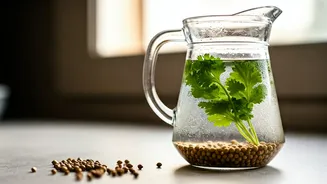
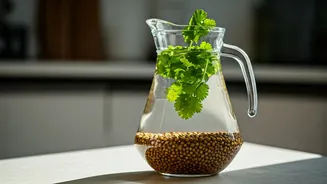
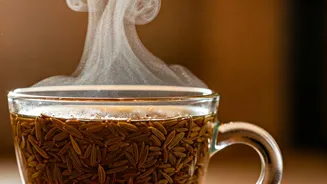
The beauty of this remedy lies in its simplicity. You only need two common spices and some water. You can make a single cup when you need it or brew a larger batch to sip throughout the day. **Ingredients:** - 1 teaspoon of cumin seeds (jeera) - 1 teaspoon of fennel seeds (saunf) - 1.5 cups of water - A pinch of black salt (kala namak) or a few drops of lemon juice (optional) **Instructions:** 1. In a small saucepan, add the cumin seeds, fennel seeds, and water. 2. Bring the water to a boil over medium heat. 3. Once it starts boiling, reduce the heat to a simmer and let the mixture steep for about 5 to 7 minutes. You’ll notice the water changing to a light golden-brown colour as the spices release their essential oils. 4. Turn off the heat and strain the water into a mug. 5. For extra flavour and digestive benefits, you can add a pinch of black salt or a squeeze of fresh lemon juice. 6. Let it cool slightly until it's comfortably warm, then sip slowly.
The Digestive Magic of Cumin (Jeera)
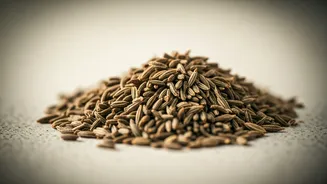
Cumin is a staple in Indian cooking for a reason—it’s not just for flavour. It is celebrated in Ayurveda for its powerful digestive properties. Cumin is known to be a carminative, which means it helps prevent the formation of gas in the gastrointestinal tract and facilitates its expulsion. This is why it’s so effective against bloating and flatulence. The spice stimulates the secretion of digestive enzymes, which aids in the better breakdown and assimilation of food. Furthermore, the essential oils in cumin, particularly one called thymol, stimulate the salivary glands, helping with the initial digestion of food right from the mouth. A warm jeera infusion can soothe intestinal muscles, relieving the cramps and discomfort that often accompany bloating.
The Soothing Power of Fennel (Saunf)
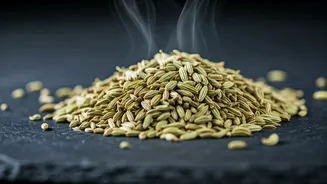
Fennel seeds are the quintessential after-meal mouth freshener found in almost every Indian restaurant, and for good reason. Like cumin, fennel is a potent carminative. Chewing on saunf after a meal helps release compounds that relax the stomach and intestinal muscles, allowing trapped gas to pass easily. When brewed into a tea, these benefits are amplified. Fennel seeds contain anethole, a compound that is believed to have anti-spasmodic and anti-inflammatory properties. This helps calm the digestive tract, reducing the painful spasms associated with bloating and indigestion. Its gentle, slightly sweet flavour also makes the drink more palatable, balancing the earthy notes of the cumin.
When and How to Drink It
For immediate relief from bloating, you can prepare this drink and sip it slowly while it's warm. The warmth itself helps to soothe the stomach muscles. For preventative care, especially if you know you are prone to bloating after heavy meals, you can have a cup about 30 minutes after your lunch or dinner. Some people also find it beneficial to drink it first thing in the morning on an empty stomach to kick-start their digestive system for the day. Because it's a natural and gentle remedy, it can be consumed regularly without worry. The key is to listen to your body and see what works best for you.