
Our Galactic Neighbour in the Cosmos
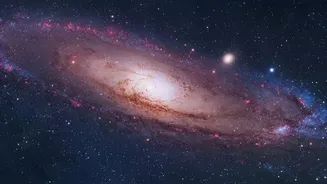
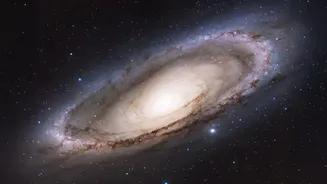
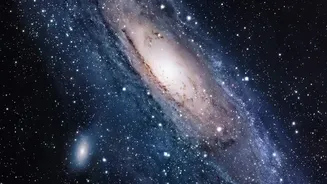
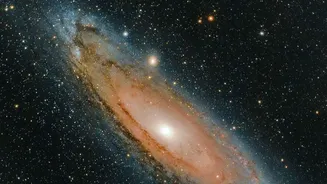
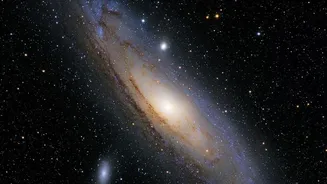
What you're looking for isn't a star, but a whole other galaxy. Known as Messier 31 (M31), the Andromeda galaxy is the closest major spiral galaxy to our own Milky Way. It's a colossal structure, stretching over 220,000 light-years across and containing
an estimated one trillion stars—more than double the number in our own galaxy. The light you see from Andromeda tonight began its journey across space about 2.5 million years ago, long before modern humans existed. This makes it the most distant object you can see with your unaided eye, a faint, ghostly patch of light that represents a staggering collection of suns, planets, and nebulae.
Why Autumn Is the Perfect Season for Viewing
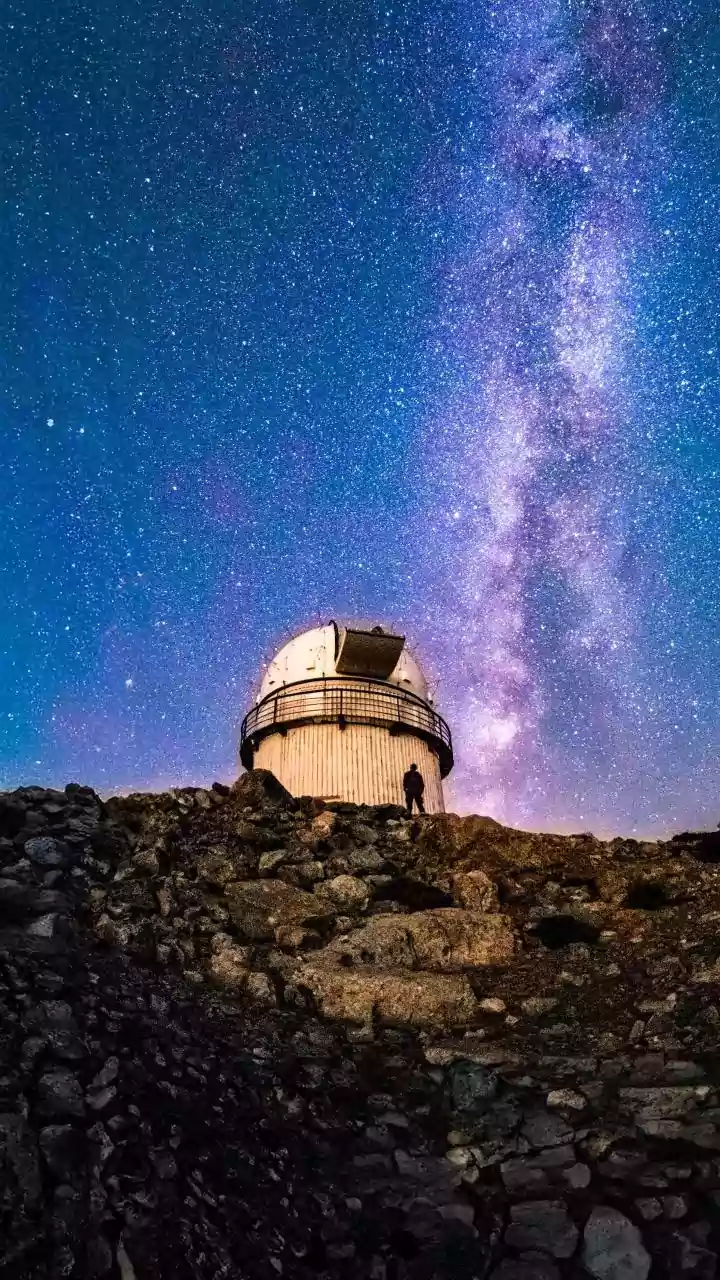
Throughout the autumn months in the Northern Hemisphere, the Andromeda galaxy is perfectly positioned for viewing. From September through November, it rises high in the eastern sky after sunset, climbing almost directly overhead by midnight. This high elevation is crucial for a clear view, as it places the galaxy far from the atmospheric haze and light pollution that often obscures objects near the horizon. For observers in India, the best viewing times are in the evenings, particularly on a moonless night when the sky is at its darkest. Give your eyes at least 15 minutes to adjust to the darkness to maximize your chances of spotting it.
Finding Andromeda: A Simple Two-Step Guide
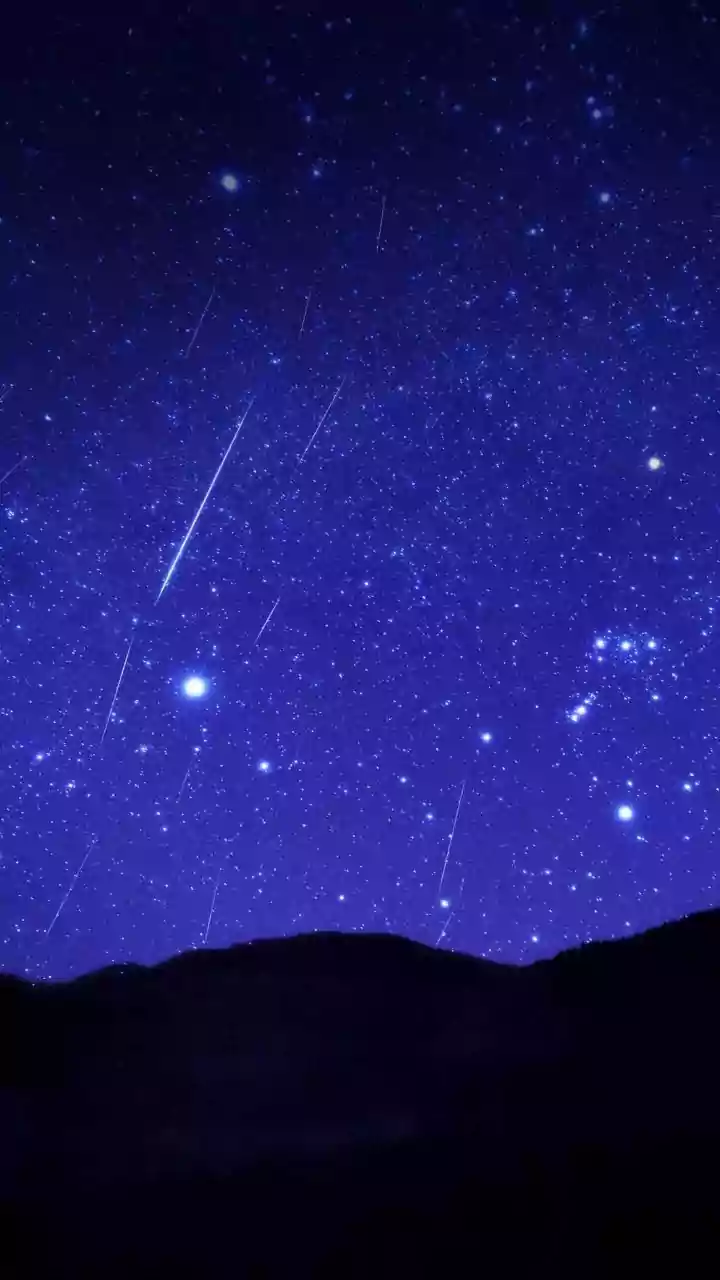
Finding a galaxy sounds daunting, but it's easier than you think. The key is to use brighter, more familiar star patterns as guides. The most reliable method involves the constellation Cassiopeia, which is famous for its distinctive 'W' shape. Locate Cassiopeia high in the northeastern sky. The right half of the 'W' forms a deeper 'V' that acts like an arrow in the sky. Follow the direction this arrow points, and it will lead you straight to a faint, fuzzy-looking smudge—that’s Andromeda. Alternatively, you can use the Great Square of Pegasus. The star Alpheratz, which forms one corner of the square, is also the head of the Andromeda constellation. From there, hop over two stars in the constellation's chain (Mirach and Mu Andromedae), then hook upwards a short distance to find the galaxy.
What to Expect Through Your Binoculars
This is where the magic happens. While Andromeda may appear as a very faint, indistinct smudge to the naked eye (and only from a very dark location), even a basic pair of binoculars transforms the view. Any standard pair, like 7x50 or 10x50, will do the trick. Through the lenses, the smudge resolves into a distinct oval-shaped glow. You are not seeing individual stars, but the combined light of billions of stars packed into the galaxy's bright, concentrated core. It will look like a small, ethereal cloud suspended in the blackness of space. Don't expect to see the colourful, sprawling spiral arms from Hubble images; those are the result of long-exposure photography. Instead, what you will witness is the galaxy's glowing heart, a truly awe-inspiring sight, especially when you consider the immense distance that light has travelled to reach your eyes.