





What Exactly Is a Smart Patch?
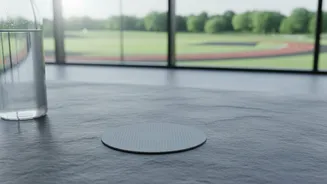
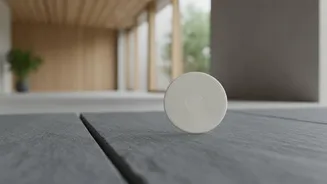
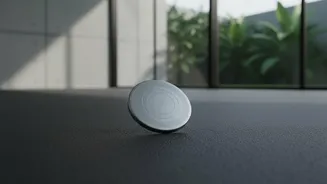
Think of a smart patch as a small, flexible, high-tech sticker that you apply directly to your skin before a workout. Unlike a smartwatch that primarily tracks heart rate and movement, these patches are designed to analyse your sweat. They are typically
single-use and adhere to an area like your forearm. Inside their slim profile, they house sophisticated technology that captures and assesses key biomarkers present in your sweat, offering insights that were once only available in a sports science lab. The goal is to move beyond generic advice and provide personalised, actionable data about what your body needs while you exercise.
The Science of Sweat Analysis
The magic of these patches lies in a combination of microfluidics and advanced sensors. Microfluidics involves tiny channels, often thinner than a human hair, that collect and guide your sweat as you produce it. As sweat flows through these channels, it passes over electrochemical or optical sensors. These sensors are engineered to detect specific substances. For hydration, they measure your sweat rate to calculate total fluid loss. For electrolytes, they measure the concentration of minerals like sodium and chloride. Some advanced patches can even detect other metabolites like lactate or glucose. The data is then processed, sometimes with the help of AI, and transmitted wirelessly to a smartphone app, giving you a real-time snapshot of your physiological state.
From Guesswork to Data-Driven Hydration
One of the primary functions of these patches is to quantify your fluid loss. Dehydration can significantly impair performance, leading to fatigue, reduced endurance, and muscle cramps. By measuring your sweat rate in real-time, the patch and its companion app can tell you precisely how much fluid you have lost during your workout. This allows you to replace exactly what you've lost, preventing both under-hydration and over-hydration. It takes the guesswork out of the age-old question, "Am I drinking enough water?" and replaces it with a precise, personalised directive based on your body's actual output during that specific session.
Why Tracking Sodium Is a Game-Changer
Hydration isn't just about water; it's about electrolytes, and sodium is the main one you lose in sweat. Two people can sweat the same amount but lose vastly different amounts of sodium. Knowing your personal sodium loss is crucial for effective rehydration and performance. A high sodium loss, what's often called being a "salty sweater," requires a different replacement strategy than someone with low sodium loss. Smart patches analyse the concentration of sodium in your sweat, providing a critical piece of the puzzle. This data helps athletes choose the right sports drinks or electrolyte supplements, tailoring their intake to prevent cramps and maintain the body's essential fluid balance.
The Future for Fitness Enthusiasts in India
For anyone exercising in India's often hot and humid climate, managing hydration is a constant challenge. This technology offers a significant advantage by providing hyper-personalised insights. Instead of relying on generic guidelines, a cricketer, marathon runner, or even a dedicated gym-goer can understand their unique sweat profile in their specific training environment. This allows for smarter training, better performance on game day, and faster recovery. While some of these devices, like the Gatorade Gx Sweat Patch, are already available, the technology is still evolving. Studies have shown that accuracy can vary, and not all patches perform equally, so they are best used as a guide to build a hypothesis about your needs rather than an absolute rule.