






What Is This Trend, Exactly?
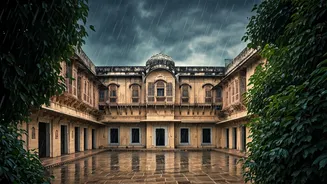
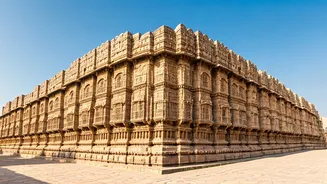
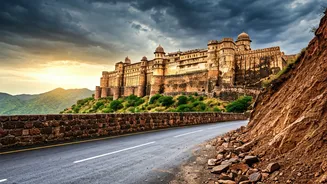
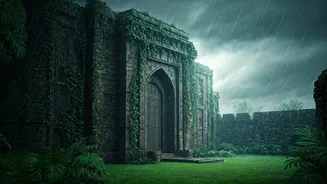
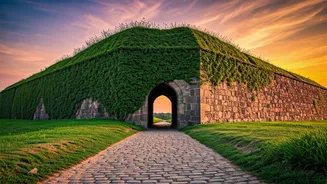
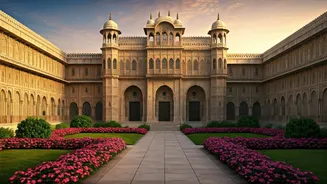
Across the country, historic properties—from majestic forts and royal palaces to intricate havelis (traditional mansions)—are being meticulously restored and converted into luxury hotels. This isn't just about slapping a fresh coat of paint on old walls;
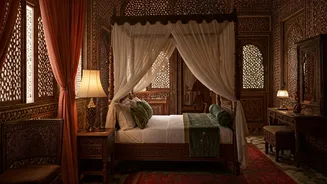
it’s a detailed process of adaptive reuse, where architectural treasures that were once crumbling are given a new lease on life. The result is a unique blend of old-world charm and modern comfort, where you can sleep in a room that once hosted royalty but still enjoy Wi-Fi and air conditioning. This movement preserves priceless architecture while offering travellers an experience that a standard hotel simply cannot match.
More Than Just a Stay, It's an Experience
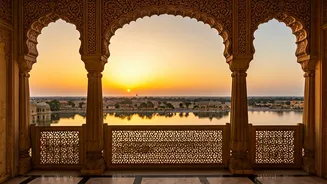
The allure of heritage hotels goes far beyond aesthetics. In an age of experiential travel, people crave connection and authenticity, not just luxury. Travellers report feeling less like customers and more like “honoured guests of history.” These properties offer a deep immersion into local culture and history. Imagine waking up in a 350-year-old palace, wandering through courtyards where maharajas once walked, and dining on cuisine based on generations-old recipes. Many of these hotels offer unique activities like heritage walks, folk performances, and craft workshops, creating a far richer and more memorable holiday.
From Rajasthan to the Rest of India
While Rajasthan, with its iconic fort-palaces in Jaipur, Jodhpur, and Udaipur, has long been the heartland of heritage hospitality, the trend is now spreading across India. In Madhya Pradesh, Ahilya Fort offers an intimate stay on the banks of the Narmada River. In Hyderabad, Falaknuma Palace provides a glimpse into the opulent life of the Nizam. States like Uttar Pradesh are restoring forts like Chunar, and even Tripura is developing its first five-star heritage hotel. Colonial-era bungalows in Kerala and the stately mansions of Chettinad in Tamil Nadu are also being transformed, showcasing the incredible diversity of India's architectural legacy.
The Rise of Conscious and Sustainable Travel
This trend also taps into a growing desire for more responsible tourism. Choosing a heritage hotel is an act of preservation. Every stay contributes to the upkeep of these magnificent structures, many of which were in a state of disrepair before being converted. The restoration process often employs local artisans and traditional techniques, helping to keep ancient crafts alive and providing employment for local communities. Many properties also focus on sustainability by using locally sourced materials and produce, ensuring that tourism benefits the region while preserving its cultural and environmental identity.
Why Now? The Search for Meaningful Luxury
After years of standardized hospitality, many travellers feel modern luxury hotels have become soulless and interchangeable. The heritage hotel trend is a direct response to this, offering what is often called 'quiet luxury'—an experience defined by authenticity, history, and a unique sense of place. Post-pandemic, there's been a surge in domestic travel, with more Indians looking to explore the rich history within their own borders. This, combined with a global shift toward meaningful and immersive travel, has created the perfect environment for this trend to flourish. It’s no longer just about where you go, but how deeply you connect with the place.