


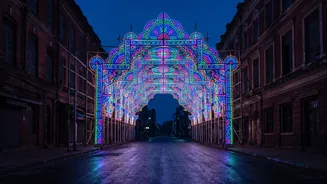
As autumn arrives, Kolkata transforms into the world's largest open-air art gallery. This is Durga Puja, a five-day carnival of creativity, devotion, and community that's now a UNESCO Intangible Cultural Heritage. Here's your guide to the celebration.
Understanding the City's Heartbeat
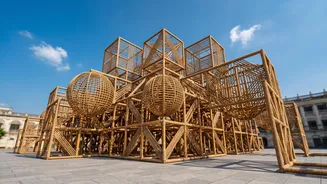
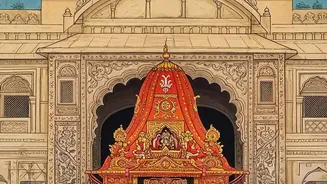
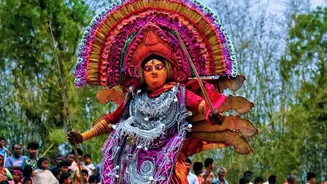
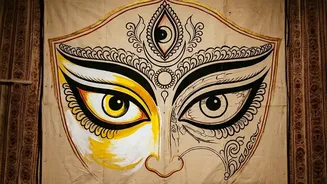
Durga Puja in Kolkata is more than a religious festival; it's the city's soul expressed through art and togetherness. From Maha Shashthi on October 16th to Vijaya Dashami on October 21st, 2026, millions will navigate the streets, exploring thousands of temporary pavilions, or 'pandals'. Each pandal houses a handcrafted idol of Goddess Durga, but the festival itself is a grand showcase of artistry, from sculpture and lighting to immersive architectural themes. The preparations begin months in advance in the potters' quarter of Kumartuli, where artisans give shape to the clay idols, culminating in the 'Chokkhu Daan' ritual of painting the goddess's eyes on Mahalaya.
North Kolkata: The Bastion of Tradition
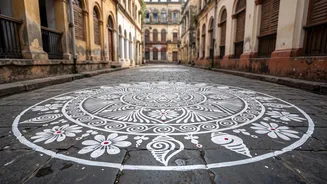
To experience the historical essence of Durga Puja, head north. This is where community or 'baroari' pujas first began over a century ago. Pandals in the north are celebrated for their unwavering commitment to tradition and nostalgic charm. Bagbazar Sarbojanin, one of the oldest in the city, is famous for its classic 'ekchala pratima' (idol with a single backdrop) and traditional 'daaker saaj' decorations. Nearby, Kumartuli Park offers a unique experience, located right beside the workshops where most idols are born. Other must-visit pandals that capture the heritage of old Calcutta include Ahiritola Sarbojanin and College Square, the latter being famous for its stunning illumination reflected in the adjacent lake.
South Kolkata: A Canvas for Modern Grandeur
In contrast to the North's classicism, South Kolkata is a playground for innovation and thematic spectacle. The pujas here are known for their high-budget, ambitious concepts that often replicate world-famous monuments or explore contemporary social issues. Suruchi Sangha is renowned for its creative exhibits, often themed on a different state of India each year, winning awards for its artistic execution. Ekdalia Evergreen, established in 1943, consistently awes visitors with magnificent replicas of Indian temples and some of the city's tallest idols. Other major crowd-pullers include Badamtala Ashar Sangha, known for its artistic prowess, and Samaj Sebi Sangha, which often weaves social messages into its themes.
Pandal Hopping Like a Pro: Essential Tips
Navigating the city during Puja requires a strategy. First, ditch the car. Many roads near major pandals are closed to traffic, making walking and the Metro your best friends. The Kolkata Metro runs a special extended service, often until 4 AM on peak nights like Saptami, Ashtami, and Navami, connecting the northern and southern pandal clusters efficiently. To avoid the heaviest crowds, which peak between 8 PM and midnight, plan your visits for early mornings (8-11 AM) or late at night (after 1 AM). Wear comfortable footwear, as you'll be walking for hours. Finally, don't try to see everything in one day; dedicate separate days for North and South Kolkata to truly enjoy the experience.
A Culinary Carnival on Every Street
Durga Puja is as much a feast for the palate as it is for the eyes. The streets come alive with food stalls offering everything from deep-fried snacks to elaborate Bengali meals. While the community 'bhog' (a ritual offering of food) served at many pandals is a unique experience, the street food scene is unmissable. You will find everything from 'phuchka' (also known as golgappe) and rolls to mutton chops and fish fries. Many restaurants stay open late, but the true culinary adventure lies in the makeshift eateries that spring up around the pandals, offering a taste of Kolkata's festive spirit. Just remember to stay hydrated by carrying a water bottle.