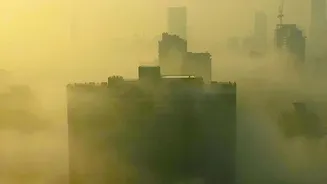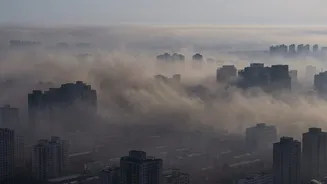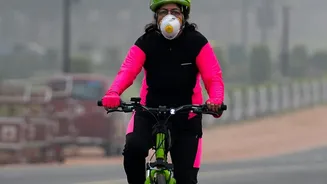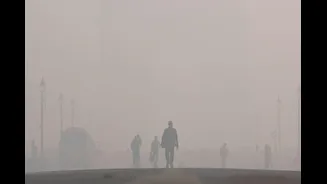





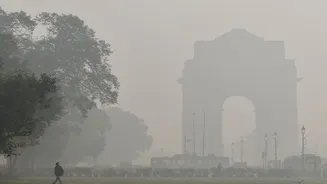

When you think of Delhi's air pollution, you likely picture the thick, grey smog of winter. But this is a dangerously incomplete picture. The city's toxic air is a relentless, year-round crisis with profound impacts that don't fade with the seasons.
Beyond the Winter Smog
Every
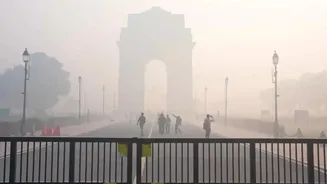
year, as winter descends on the national capital, headlines blaze with news of the 'gas chamber'. A cocktail of pollutants from sources like vehicular emissions, industrial operations, and crop stubble burning in neighbouring states gets trapped by cold, heavy air, sending the Air Quality Index (AQI) into the 'Severe' category. This seasonal crisis is well-documented, forcing school closures, construction halts, and a surge in respiratory illnesses. But the focus on these few months masks a more insidious truth: while winter is the most acute phase, Delhi's air remains harmful for most of the year. The sources of pollution are constant; only the weather's ability to disperse them changes.
Summer's Invisible Threat: Ozone
As the winter chill recedes, the primary villain in Delhi's air changes. The intense heat and sunlight from March to May cook up a different kind of pollutant: ground-level ozone (O3). Unlike the particulate matter (PM2.5) that dominates winter smog, ozone is a secondary pollutant formed when nitrogen oxides (from vehicle exhaust and industry) and volatile organic compounds (VOCs) react in the sun. Studies show that ozone levels in Delhi frequently breach safe limits during summer, making it a significant health threat. This invisible gas can aggravate asthma, damage lung tissue, and worsen chronic respiratory diseases, proving that sunny, clear skies do not necessarily mean clean air.
The Monsoon's Misleading Relief
Many believe the monsoon rains wash the air clean, and to some extent, they do provide temporary relief from particulate pollution. However, the air is far from pure. Vehicular and industrial emissions continue, and high humidity can sometimes trap pollutants. Furthermore, the period just after the monsoon sets the stage for the winter crisis. As rainfall subsides and temperatures begin to drop, the atmosphere's capacity to clean itself diminishes, allowing pollutants to accumulate once again. The idea of a 'clean air' season is largely a myth; there are only varying degrees of poor air quality throughout the year.
A Year-Round Assault on Health
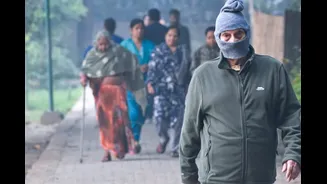
Living in a chronically polluted environment takes a toll that goes far beyond a winter cough. Doctors report a rise in patients, including young and otherwise healthy individuals, with persistent respiratory discomfort, throat irritation, and other symptoms even outside of peak pollution season. Longterm exposure to pollutants like PM2.5 and ozone is linked to a devastating range of illnesses. The damage can include irreversible lung damage in children, reduced lung function in adults, and an increased prevalence of hypertension, chronic headaches, and eye irritation. Furthermore, chronic exposure significantly raises the risk of lifethreatening conditions such as cardiovascular disease, stroke, and cancer.
The Pervasive Economic and Social Cost
The impact of yearround pollution extends deep into the citys economic fabric. The burden isnt just from the high healthcare expenditure. It s a quiet tax on productivity, with more sick days taken, lower concentration at work, and a general decline in quality of life. Businesses, from retail and hospitality to construction and logistics, face disruptions. Shoppers stay home, supply chains are interrupted by transport restrictions, and construction bans halt progress. For daily wage earners like construction labourers and street vendors, a day of bad air can mean a day of lost income. This continuous environmental stress slowly erodes economic growth, costing the country a significant percentage of its GDP annually through lost productivity and health expenses.