




Meet the Challenger: What is a Lotus Stem Chip?
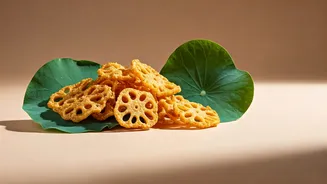
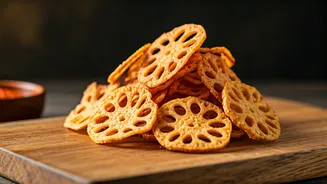
Known as *kamal kakdi* in Hindi, the lotus stem (or root) is a fibrous, woody vegetable prized in Asian cuisine for its unique, lace-like appearance and crunchy texture. When sliced thinly and cooked, it transforms into a crispy, satisfying chip. Unlike
the uniform potato wafer, lotus stem chips have a distinctive look with small holes and a slightly sweet, nutty flavour. This vegetable is versatile and can be deep-fried, stir-fried, baked, or air-fried, making it a flexible ingredient for snack lovers.
The Nutritional Showdown: Kamal Kakdi vs. Potato
At its core, the lotus stem is a nutritional powerhouse. A 100-gram serving of the raw vegetable contains about 74 calories and is packed with nutrients. It is an excellent source of dietary fibre, which aids digestion and promotes a feeling of fullness. It's also rich in Vitamin C, a vital antioxidant for boosting immunity, and minerals like potassium, which helps regulate blood pressure. Potatoes also offer nutrients, but the primary benefit of lotus stem is its higher fibre and micronutrient density for fewer calories before cooking. For instance, raw lotus stem is naturally low in fat and provides a significant amount of the daily requirement for Vitamin C.
The 'Healthy' Caveat: Preparation is Everything
The claim that lotus stem chips "beat" regular wafers hinges almost entirely on how they are prepared. Deep-frying any vegetable, be it a potato or a lotus stem, will significantly increase its calorie and fat content. Many commercially available chips, regardless of the vegetable, also contain high levels of sodium. However, lotus stem chips offer a distinct advantage when cooked using healthier methods. Due to their fibrous nature, they become wonderfully crisp when baked or air-fried with minimal oil. An air-fried version can be made by tossing thin slices with a tablespoon of oil and spices, resulting in a crunchy snack that retains more of the vegetable's inherent goodness.
The Crunch Factor: Taste and Texture
For a snack to be a true alternative, it has to be enjoyable. Lotus stem chips deliver a unique and satisfying crunch that many people find superior to the often-greasy texture of potato wafers. They have a mildly sweet, earthy flavour that pairs exceptionally well with Indian spices like *chaat masala*, red chilli powder, and garlic powder. While a potato wafer has a familiar salty taste, the lotus stem offers a more complex flavour profile that feels both wholesome and delicious. This makes them a fantastic standalone snack or a great accompaniment to dips and chutneys.
The Verdict: A Worthy Snack Swap
So, do lotus stem chips beat regular wafers? In terms of nutritional potential, the answer is a resounding yes. The base vegetable, *kamal kakdi*, is richer in fibre and a wider array of vitamins and minerals. When prepared mindfully—by baking or air-frying—they stand out as a genuinely healthier snack that doesn't compromise on the all-important crunch. While a deep-fried lotus stem chip might be nutritionally similar to a deep-fried potato chip, the lotus stem's versatility and superior performance in low-oil cooking methods give it a clear edge for the health-conscious snacker. It's an accessible, traditional ingredient that proves healthy snacking can be both delicious and rooted in Indian culinary wisdom.