







Sachin Tendulkar and the 13 Coins of Gold
Long before he was the ‘God of Cricket’, a young Sachin Tendulkar was just a boy with immense talent and an even greater hunger for runs. His coach, Ramakant Achrekar, devised a unique challenge to hone his pupil's focus. He would place a one-rupee coin
on top of the stumps during net practice. If Tendulkar could survive the entire session without getting out, the coin was his. For a young boy facing a barrage of bowlers, this was a monumental task. Each ball was a test of endurance and concentration. By the end of his training days, Tendulkar had collected 13 of these coins. He has often stated that these 13 coins are more precious to him than many of his international awards, treating them like gold medals. They were not just currency; they were the first rewards for the discipline and relentless dedication that would become his hallmark.
Jhulan Goswami's Five-Hour Daily Commute
Before she was the ‘Chakdaha Express’, the fastest female bowler of her generation, Jhulan Goswami was a teenager from a small town in West Bengal with a seemingly impossible dream. Inspired by watching the 1997 Women's World Cup, she decided to pursue cricket professionally. However, her town, Chakdaha, had no proper cricket facilities. For a girl from a middle-class family, this was a significant hurdle. Undeterred, Goswami embarked on a grueling daily routine. Every single day, she would wake up before dawn to catch a train to Kolkata, a journey of roughly 80 kilometers. Her commute, to and from practice, took a staggering five hours each day. This was a journey she made while juggling her studies, often completing homework on the train. It was a testament to her extraordinary passion and grit, a sacrifice made long before she ever wore the India colours, laying the foundation for a career that would inspire millions.
The Day Virat Kohli Became a Man
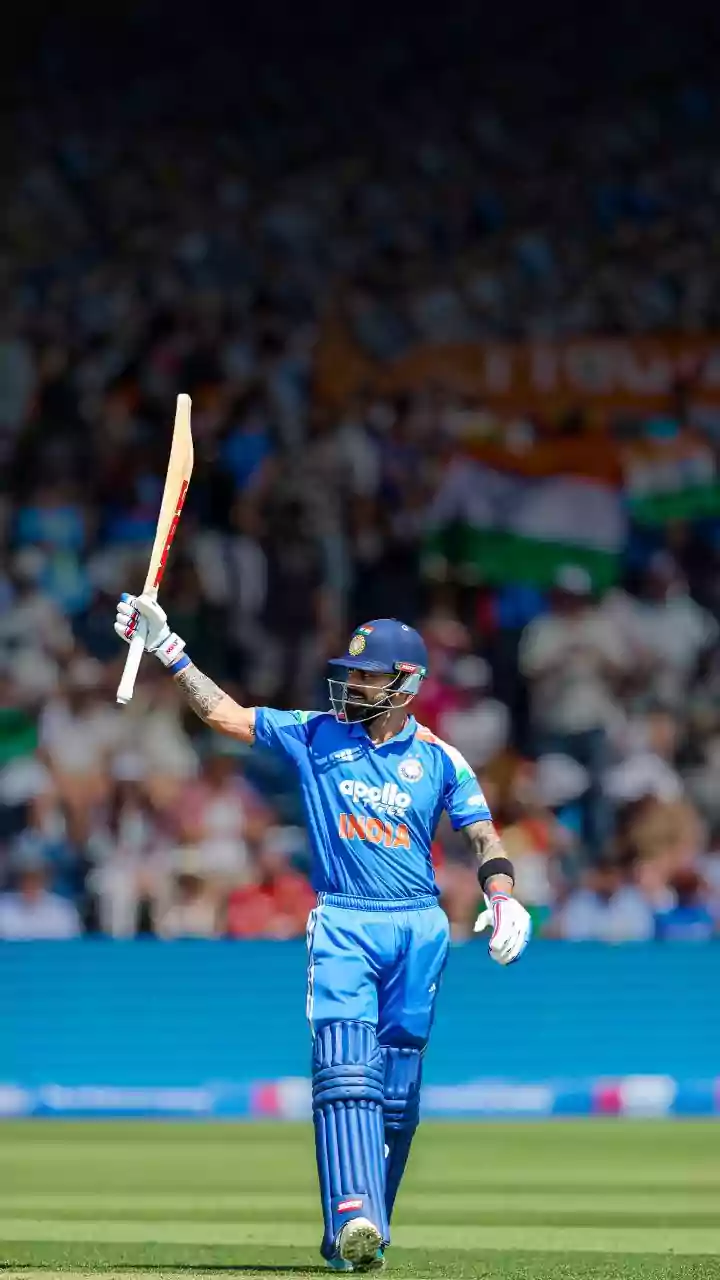
Virat Kohli's transformation from a brash, talented youngster to a global fitness icon and run-machine is well-documented. But a pivotal moment came in 2006, long before the fame. At just 18 years old, Kohli was playing a crucial Ranji Trophy match for Delhi. Overnight, his father, Prem Kohli, passed away from a stroke. For any teenager, this is a life-shattering event. The team management told him to go home, to be with his family. Yet, the next morning, to everyone's surprise, Kohli returned to the cricket ground. He chose to continue his innings, scoring a match-saving 90. He went to his father's funeral only after he was dismissed. That day, cricket ceased to be just a passion for him; it became his purpose. This single act of mental fortitude in the face of immense personal tragedy defined the man he would become—intensely focused, disciplined, and relentlessly driven.
Kapil Dev and the 175 That Nobody Saw
Kapil Dev’s leadership in the 1983 World Cup is legendary, but one of the greatest innings in cricket history was played with almost no one watching. In a must-win group stage match against Zimbabwe, India was in dire straits, collapsing to a shocking 17 for 5. The captain, Kapil Dev, walked in amidst the ruins. What followed was a breathtaking counter-attack. He smashed an unbeaten 175 off 138 balls, an innings of raw power and self-belief that single-handedly resurrected his team and took them to a match-winning total of 266. The untold part of this story? The match was not televised. A national strike by the BBC meant that no cameras were present to broadcast this historic feat. It exists only in the memories of those who were at the small ground in Tunbridge Wells, becoming a near-mythical tale of a captain who refused to lose, even when the world wasn't watching.