

The Flavour Hidden in the Stems
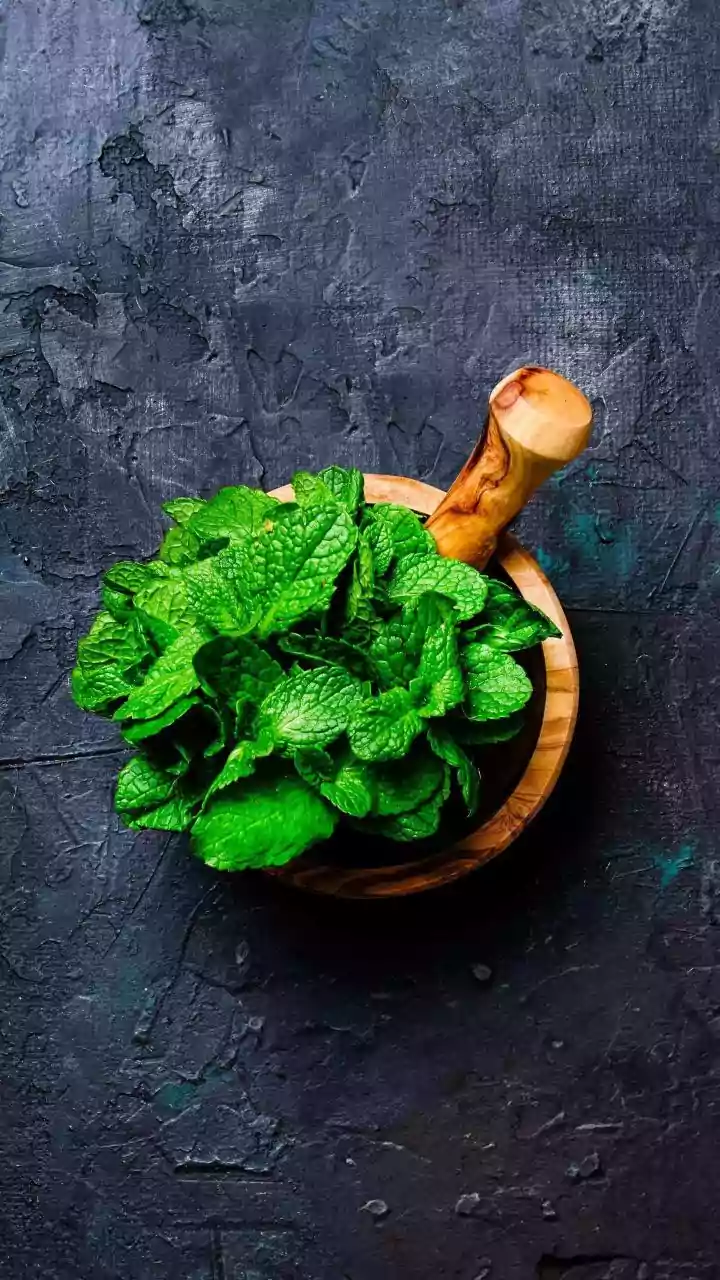
Many home cooks treat fresh herbs as a leaves-only ingredient, trimming them off and binning the stems without a second thought. However, in herbs like coriander and mint, the stems are packed with essential oils and a potent concentration of flavour.
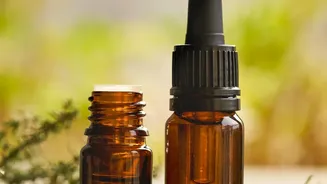
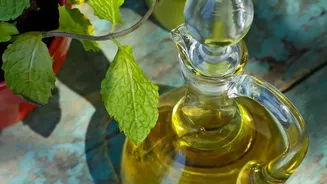
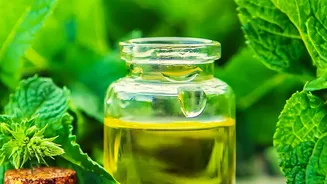
In fact, for many culinary applications, the stems carry a deeper, more robust version of the herb's signature taste. By throwing them away, you’re not just creating food waste; you’re discarding a valuable flavour base. Creating an infused oil is one of the simplest and most elegant ways to capture this essence, turning a would-be scrap into a versatile pantry staple that can elevate salads, marinades, and finish a wide variety of dishes.
Gather Your Simple Ingredients
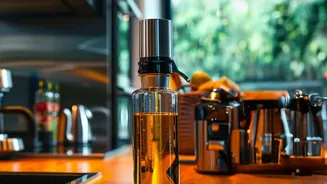
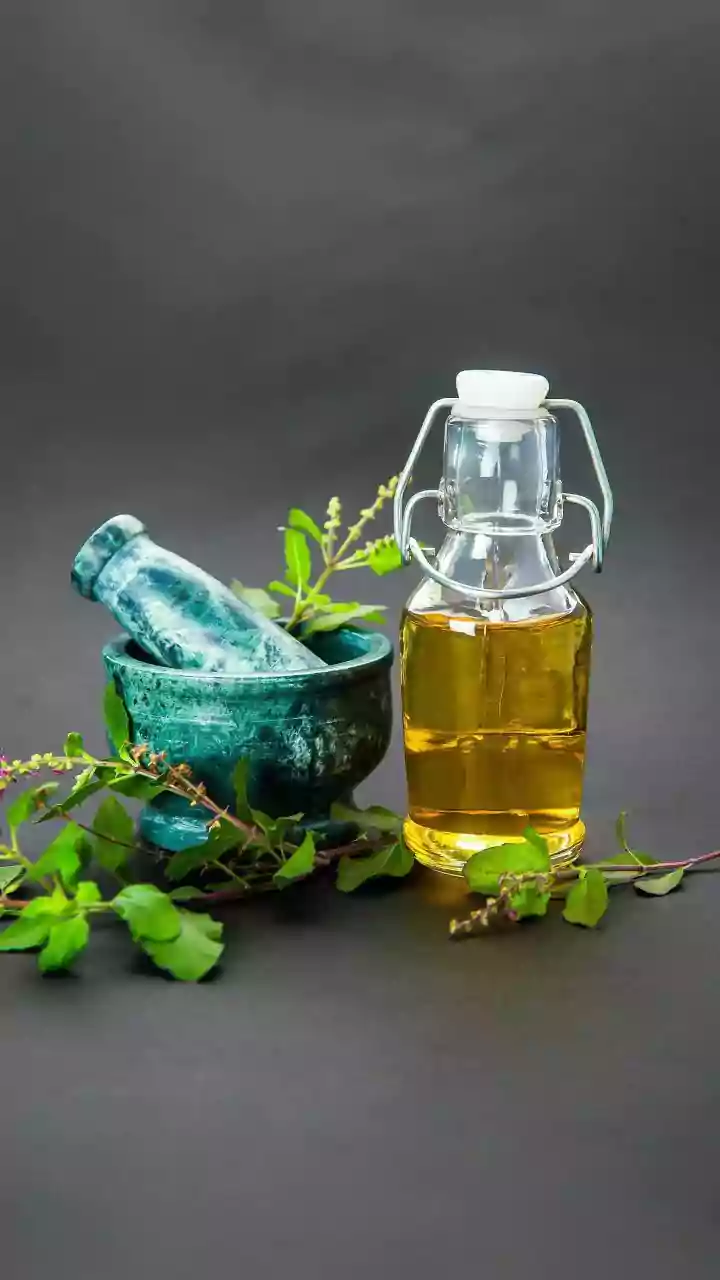
Making your own herb-infused oil requires minimal equipment and just a few key items. You will need a clean, sterilised glass jar or bottle with a tight-fitting lid, a saucepan, and a fine-mesh sieve or cheesecloth for straining. For the ingredients, you'll need your leftover coriander and mint stems, and a neutral-flavoured oil. While extra virgin olive oil can be used, its strong flavour can sometimes compete with the delicate herbs. For a purer herb taste, consider a neutral oil like grapeseed, sunflower, or a light olive oil. These act as a blank canvas, allowing the bright notes of the mint and coriander to shine through. Make sure your herb stems are washed thoroughly and, most importantly, patted completely dry before you begin.
A Guide to Safe Infusion
When infusing oil with fresh ingredients, food safety is paramount. The main concern is Clostridium botulinum, a bacterium that can thrive in low-acid, oxygen-free environments like oil, especially when moisture from fresh produce is present. There are two primary methods to safely infuse your oil at home. The first, and safest for fresh stems, is the hot-infusion method. Gently heat your chosen oil in a saucepan to around 80°C (180°F). Do not let it boil or smoke. Remove the pan from the heat and add your clean, dry coriander and mint stems. Let the stems steep in the warm oil as it cools down completely. This process helps to draw out the flavour while the heat mitigates some of the risk associated with moisture. Once cooled, strain out all the solids immediately.
Storing Your Homemade Oil
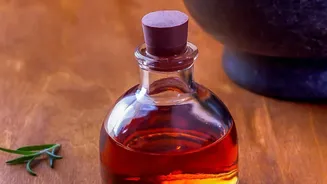
Proper storage is crucial to maintaining the quality and safety of your infused oil. After straining out every last bit of the herb stems, pour the oil into your sterilised glass container. Because you've used fresh herbs, the oil must be stored in the refrigerator to slow down any potential bacterial growth. It is best to use this refrigerated oil within four days to a week. For longer-term storage, you can freeze the oil. A great trick is to pour the infused oil into ice cube trays. This creates convenient, single-serving 'flavour bombs' that you can pop directly into a pan for sautés, stews, or sauces whenever you need a burst of fresh herb flavour.
How to Use Your Aromatic Oils
Now for the fun part: using your creation. A drizzle of coriander stem oil can bring a fresh, zesty finish to a bowl of dal, a vegetable stir-fry, or grilled fish. Use it as the base for a vibrant salad vinaigrette by whisking it with lemon juice and a pinch of salt. The mint-infused oil is wonderful drizzled over roasted lamb, tossed with boiled new potatoes, or even used to add a surprising aromatic note to a simple tomato soup. You can also use these oils as a finishing touch for plating, creating a professional-looking and flavourful garnish for everything from morning eggs to evening grain bowls. Experimentation is key, so don't hesitate to try them anywhere you want a bright, herbaceous lift.