



The Soothing Sensation of Steam
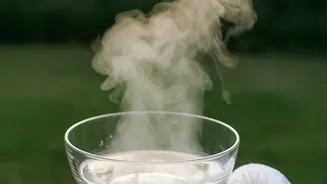
It’s a remedy passed down through generations: when you’re congested, lean over a bowl of hot water, drape a towel over your head, and breathe deeply. The appeal is undeniable. The warm, moist air feels like it’s doing something productive, moisturising
dry nasal passages and providing a sense of immediate relief. This sensation comes from the moisture helping to thin and loosen the thick mucus trapped in your sinuses, which can make it easier to clear out temporarily. For a few minutes, you might feel like you can breathe a little easier, and the warmth itself can be comforting when you're feeling unwell.
Why Steam Isn't a Cure
The feeling of relief from steam is mostly sensory and temporary. The root cause of that 'stuffy' feeling isn't just mucus; it's the inflammation and swelling of the blood vessels in your nasal passages. While steam can help thin mucus, research shows it does little to nothing to reduce this underlying inflammation. One major study published in the Canadian Medical Association Journal found that steam inhalation was not effective for relieving symptoms of chronic sinus congestion. So, while it feels good in the moment, it doesn’t actually resolve the swelling that’s blocking your nose. It provides temporary relief but doesn’t cure the underlying problem.
The Hidden Risks of Hot Water
Beyond its limited effectiveness, the traditional method of steam inhalation carries a significant risk: burns. Leaning over a bowl of recently boiled water can easily lead to serious scalds on the face, hands, or chest if the bowl is accidentally knocked over. Hospitals report seeing numerous burn injuries from this practice, especially in children, who have thinner skin and are more vulnerable. In some cases, these injuries are severe enough to require hospitalisation and skin grafting. Given that the therapeutic benefit is minimal, the risk of a painful, potentially disfiguring injury makes it a remedy to approach with extreme caution, if at all.
Better, Safer Home Remedies
If steam isn’t the answer, what is? Fortunately, several safer and more effective home remedies are available. Saline nasal sprays or rinses are highly recommended. Unlike steam, saline solutions work by not only thinning mucus but also washing away irritants and helping to reduce inflammation in the nasal passages. Using a cool-mist humidifier in your room is another great option. It adds moisture to the air, which soothes irritated nasal tissues and helps loosen congestion without the risk of burns. Staying well-hydrated by drinking plenty of water helps keep mucus thin from the inside out, making it easier to drain. Finally, sleeping with your head elevated on an extra pillow uses gravity to help your sinuses drain more effectively overnight.
When to See a Doctor
Home remedies can be very effective for managing mild to moderate congestion from a common cold or allergies. However, it's important to know when to seek professional medical advice. You should consult a doctor if your congestion is severe, lasts for more than 10 days, or seems to be getting worse instead of better. Other red flags include a high fever, severe headache or facial pain, or if you produce thick, green, or yellow nasal discharge, which could indicate a bacterial infection that requires treatment. A doctor can help determine the underlying cause of your congestion and recommend the most appropriate course of action.