







The State of India’s Highway Stops
Anyone who has travelled on India's national highways knows the sense of uncertainty that comes with planning a stop. Will it be clean? Will it be safe, especially after dark? Will the food be hygienic? For decades, roadside amenities have been a mixed
bag of private dhabas and poorly maintained facilities, lacking any uniform standard of quality. This inconsistency poses significant challenges, not just for families on road trips, but for the millions of truck drivers who form the backbone of our economy. Issues range from non-existent or filthy washrooms to poorly lit parking areas that pose a security risk. A Supreme Court directive in April 2026 even banned heavy vehicle parking on highway shoulders, pushing the need for designated, well-equipped rest areas to the forefront.
A New Blueprint for Roadside Amenities
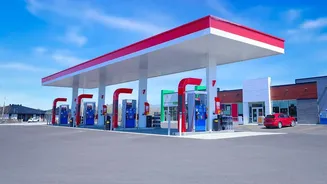
Recognising this critical gap, the Ministry of Road Transport and Highways, through the National Highways Authority of India (NHAI), has put a comprehensive plan into motion to develop world-class Wayside Amenities (WSAs) across the country. The plan involves developing over 600 such facilities, strategically placed every 40-60 kilometres along national highways. These aren't just patches of land for parking; they are envisioned as integrated service hubs developed under a Public-Private Partnership (PPP) model. The goal is to provide a safe, comfortable, and reliable experience for all highway users, addressing long-standing issues through a standardized approach to infrastructure and services.
Lighting: A Beacon of Safety and Security
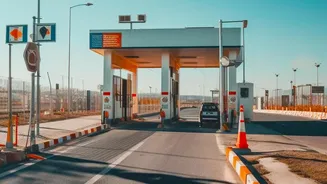
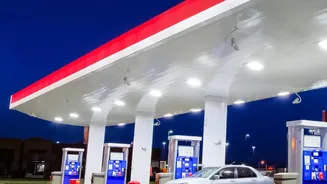
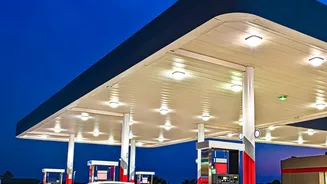
One of the most critical, and often overlooked, elements of a safe rest stop is lighting. According to Indian Roads Congress (IRC) guidelines, proper lighting is mandatory at locations like rest areas, truck lay-bys, and toll plazas. Good illumination does more than just help you find your way to the washroom; it's a powerful deterrent to crime. Well-lit parking lots and walkways make travellers, particularly women and families, feel more secure. For truck drivers forced to rest overnight, a brightly lit area reduces the risk of cargo theft and personal harm. The government's plan ensures that new WSAs are designed with safety as a priority, making adequate lighting a non-negotiable part of the 'check' for any approved highway stop.
Washrooms: The Ultimate Test of Quality
For many travellers, the single biggest indicator of a good rest stop is the condition of its washrooms. The new guidelines for WSAs place a strong emphasis on clean, accessible, and hygienic public conveniences. The plan includes provisions for separate, well-maintained toilets for men and women, facilities for differently-abled persons, and even baby care rooms. For truck drivers, who spend days on the road, the inclusion of bathing facilities and dormitories offers a much-needed chance to rest and refresh hygienically. This focus on sanitation is a direct response to public demand and a core component of making highway travel more dignified and comfortable for everyone.
Fresh Food: Fueling the Journey Safely
A highway journey is often punctuated by food stops, but the quality of food can be a gamble. The risk of foodborne illness from unhygienic kitchens is a serious concern. The new WSAs are mandated to include quality food courts, restaurants, and affordable dhabas that adhere to safety standards. The concept of 'fresh food turnover' becomes a proxy for quality; busy, well-managed kitchens are more likely to use fresh ingredients. FSSAI guidelines on food preparation, storage, and clean cooking areas are central to this push. By ensuring that food is prepared and served in a clean environment, these stops aim to provide travellers with safe and wholesome meals, turning a point of anxiety into a moment of reliable comfort.
The Bigger Picture: More Than Just a Stop
These improvements are part of a larger vision for India's mobility sector. The development of these amenities is expected to create local employment and provide platforms for local artisans to sell their products at designated 'village haats'. Recent directives have also focused on adding mandatory vehicle repair and puncture shops to assist drivers during breakdowns, further enhancing road safety. Schemes like 'Apna Ghar' are already providing affordable, air-conditioned rest facilities for truckers. Ultimately, by setting and checking for high standards in lighting, washrooms, and food, the government is not just building rest stops; it is building a more efficient, safe, and humane highway network.