







Changes to India's cotton import tariff are sending ripples through the textile industry, creating a complex balancing act. The policy affects every link in the chain, from farmers to exporters, but its impact is felt differently by all.
The Current Tariff Situation
India's policy
on cotton import tariffs has been in flux, reflecting a classic economic dilemma. As of late October 2026, the industry is navigating a temporary duty exemption. The government had waived the 11% import duty, which includes a basic customs duty and an Agriculture Infrastructure and Development Cess, from June 1 until October 31, 2026. This move was designed to ease pressure on the textile industry during the 'off-season' for domestic cotton arrivals by making imported raw material more affordable. However, as the deadline approaches, there is widespread discussion and expectation that this duty-free window may be extended, possibly until the end of December 2026, due to concerns about domestic supply and rising prices.
A Breather for Spinning Mills
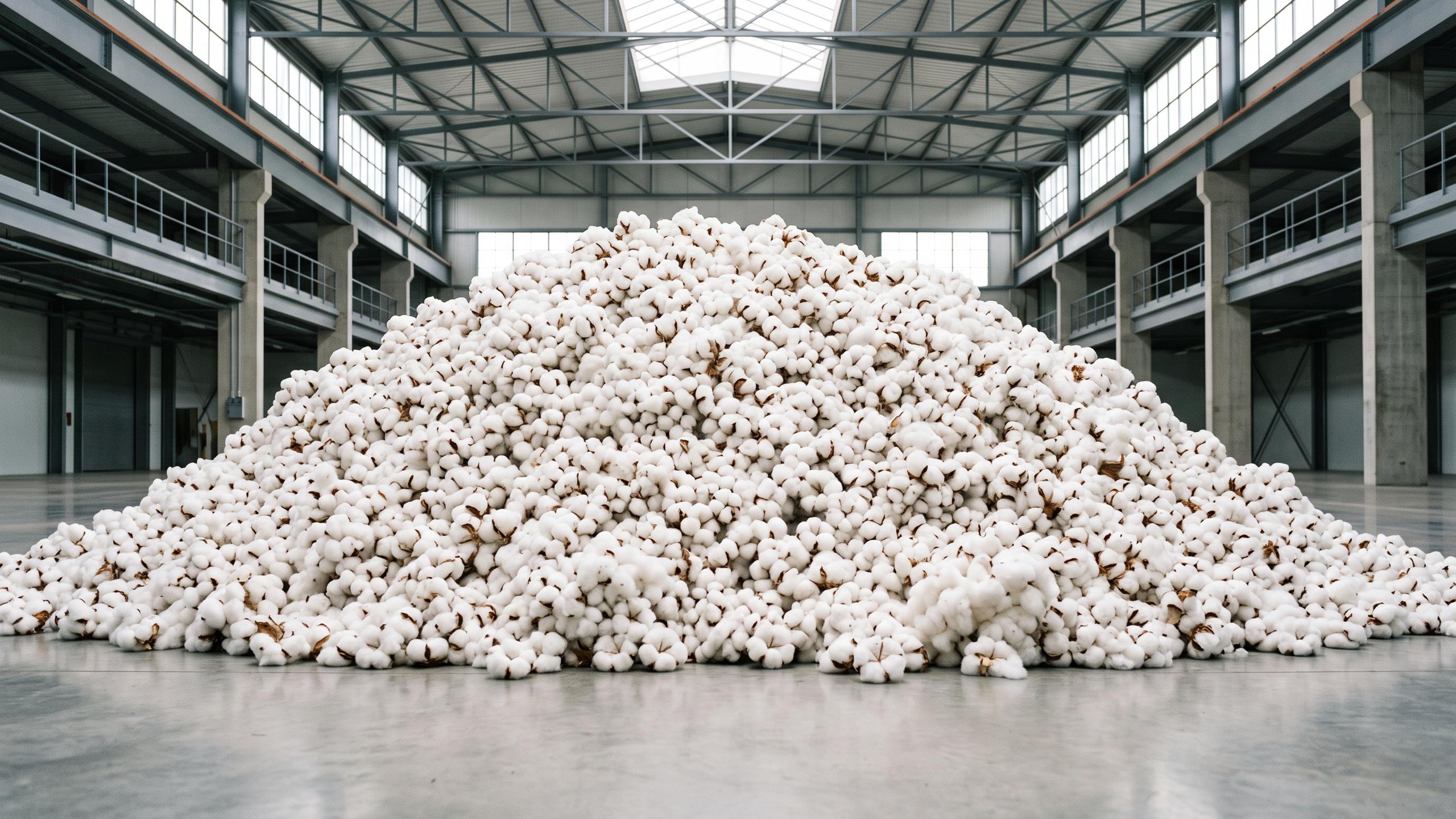
For domestic spinning mills, which convert raw cotton into yarn, the tariff situation is critical. Raw cotton can account for 60-70% of yarn production costs. An 11% import duty makes foreign cotton significantly more expensive, theoretically protecting domestic cotton farmers and, by extension, providing a price floor that benefits local sellers. However, the reality is more complicated. This year, domestic cotton production is expected to fall short of demand by a wide margin, with some estimates projecting a shortfall of over 9 million bales. This scarcity has kept domestic prices high, even with the duty exemption in place. The temporary removal of the tariff, therefore, offers mills crucial flexibility to source cotton from global markets like the US, Brazil, and Australia to manage their costs and secure the specific quality of fibre needed for high-value yarns.
The Squeeze on Garment Shops
Further down the value chain, garment manufacturers and apparel shops face a different set of pressures. Their primary input is not raw cotton, but yarn or finished fabric. When spinning mills face higher raw material costs—either from a high import tariff or domestic scarcity—those costs are passed on. This results in more expensive yarn and fabric, directly squeezing the margins of garment makers. If they raise their prices to compensate, they risk losing business to international competitors in countries like Bangladesh and Vietnam, which often benefit from duty-free access to cotton. This makes it harder for Indian garment exporters to compete for international orders, where thin margins are standard. The removal of the import duty is therefore seen as a vital measure to keep the entire textile export ecosystem competitive.
A Difficult Balancing Act
The government's tariff policy is an attempt to balance the competing interests of farmers, mills, and garment exporters. A high tariff wall protects cotton growers from international price fluctuations, but it can render the country's value-added textile sector uncompetitive. Conversely, zero-duty imports help keep spinning and garment units viable but can expose farmers to downward price pressure, especially if cheap imports flood the market during the domestic harvest season. Industry bodies like the Southern India Mills' Association (SIMA) and the Confederation of Indian Textile Industry (CITI) have repeatedly highlighted this challenge, advocating for stable, longterm policies over temporary, adhoc relief measures.