



The Common Kitchen Conundrum
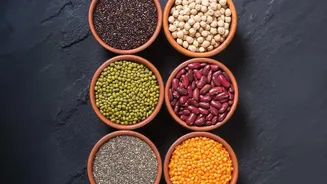
Whether it’s a comforting Panchratna Dal, a hearty bowl of rajma, or a simple chana curry, pulses are the backbone of Indian home cooking. Many recipes, especially those passed down through generations, call for a mix of different lentils to create complex
flavour and texture. However, this practice can often lead to a disappointing outcome. You might find your chana dal is still toothy and raw while the masoor dal has completely disintegrated into a mush. This textural chaos not only feels unpleasant in the mouth but can also mean that some of the pulses are undercooked, which can lead to digestive discomfort. The issue isn't a flaw in your cooking skills; it's a fundamental misunderstanding of how different pulses behave under heat.
The Science of the Seed
The core reason for this culinary challenge lies in the varied nature of pulses themselves. Different lentils and beans have vastly different cooking times. For example, split red lentils (masoor dal) can become tender in as little as 15-20 minutes, whereas whole pulses like chickpeas (chana) or kidney beans (rajma) can take over an hour, even after soaking. Several factors contribute to these differences. The size and density of the pulse play a significant role; smaller, split lentils have more surface area and cook faster. The age of the pulse is also critical; older, drier beans and lentils will always take longer to soften than fresh ones. Furthermore, the thickness and composition of the seed coat affect how quickly water can penetrate and soften the pulse. Some pulses, like urad dal, have a tougher exterior that requires more time to break down.
Why Haphazard Mixing Fails
When you combine pulses with different cooking times in one pot from the start, you set them up for failure. The fast-cooking varieties will overcook, losing their distinct shape and turning to a starchy paste. This not only ruins the texture but can also create a muddy, one-note flavour profile, masking the subtle, earthy notes of each individual dal. Meanwhile, the slower-cooking pulses might not cook through properly. Undercooked pulses contain compounds like lectins and phytic acid, which can interfere with digestion and nutrient absorption, potentially causing bloating and gas. While proper cooking neutralizes these compounds, an unevenly cooked dish means you might be consuming them from the harder, underdone bits.
The Right Way to Cook Mixed Pulses
So, does this mean you have to give up on beloved mixed-dal dishes? Absolutely not. The solution is not to avoid mixing, but to manage the process intelligently. One effective method is to consider the different cooking times and add pulses to the pot sequentially. Start by cooking the toughest pulses first—like chana dal or rajma. Once they are partially cooked and have started to soften, you can add the medium-cook varieties, such as toor dal. Finally, the quickest-cooking lentils, like masoor or moong dal, should be added in the last 15-20 minutes of cooking. Another popular technique, especially for dishes like Panchmel Dal (a mix of five lentils), is to soak different pulses for varying lengths of time. Tougher pulses can be soaked longer to give them a head start. Alternatively, you can cook each pulse variety separately until perfectly tender and then combine them at the end before adding the final tadka or tempering. This guarantees that every single lentil in your dish has the ideal texture.
Beyond Dal: A Universal Pulse Principle
This principle of separating varieties extends to all legumes, not just Indian dals. When making a mixed bean soup or salad, you'll get far better results by cooking the black beans, kidney beans, and chickpeas separately before combining them. It might seem like an extra step, but the payoff in terms of superior texture, cleaner flavours, and better digestibility is well worth the effort. It also allows you to have better control over the final dish. By understanding the unique character of each pulse, you can move from simply following a recipe to truly mastering the art of cooking with legumes. This small change in your preparation can elevate your everyday meals from good to exceptional.