



The Wisdom of Shravan Eating
The holy month of Shravan, dedicated to Lord Shiva, is a time of spiritual reflection for millions. This often involves fasting and adhering to a sattvic diet—simple, pure food that is light on the body and calming for the mind. This tradition beautifully
aligns with the principles of seasonal eating. According to Ayurveda, the monsoon season can weaken our digestive fire, making it harder to process heavy foods. The Shravan diet, therefore, naturally guides us towards foods that are easier to digest, helping to cleanse the body and prevent illnesses common during this damp, humid time. This period encourages a conscious move away from non-vegetarian items, and in many households, even onion and garlic are set aside.
Gourds and Roots: The Monsoon Staples
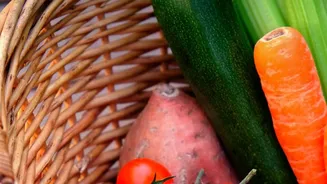
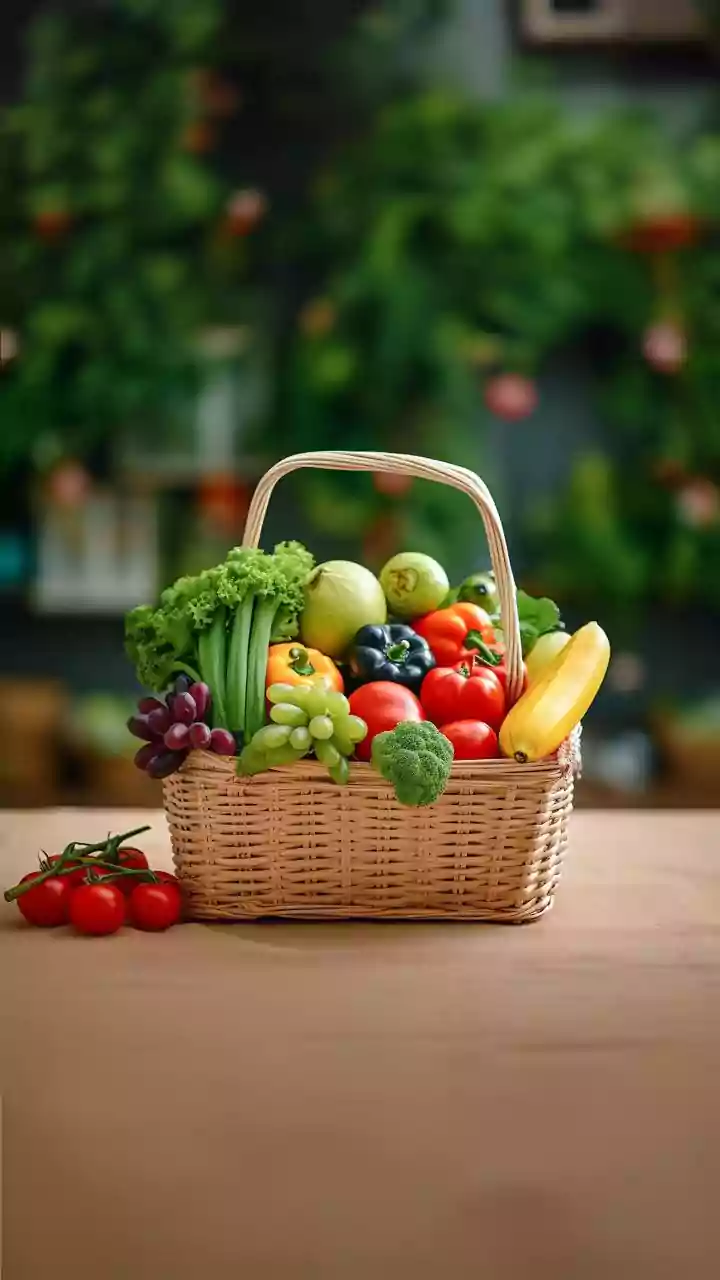
The vegetable basket during Shravan is brimming with gourds and root vegetables that are both nourishing and easy to cook. Bottle gourd (lauki), ridge gourd (turai), pumpkin (kaddu), and ash gourd are hydrating, low in calories, and gentle on the stomach. These are often used to make light curries and sabzis. Root vegetables like potatoes, sweet potatoes (ratali), and taro root (arbi) are also staples, providing essential energy for those observing fasts. They are incredibly versatile, finding their way into classic fasting dishes like sabudana khichdi or being made into simple, spiced preparations with rock salt (sendha namak). Brinjal, however, is often avoided as it is believed to be impure and prone to insects during the rains.
Seasonal Fruits for Natural Energy
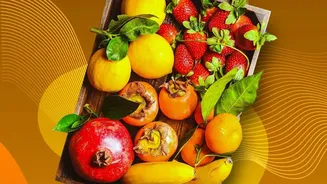
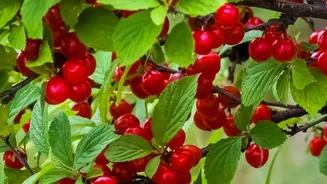
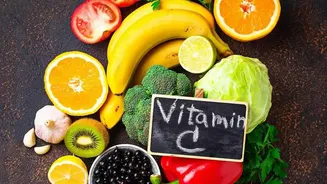
Fruits are an essential part of the Shravan diet, offering natural sugars, vitamins, and hydration. The monsoon brings its own special bounty. Jamun (Indian blackberry), with its deep purple hue, is prized for its digestive and antioxidant properties. Peaches and pears also make an appearance, offering fibre and a delicate sweetness. Though technically a grain, corn on the cob (bhutta) is a quintessential monsoon snack, roasted over coals and seasoned with salt and lime. Bananas and papayas are available year-round and serve as reliable sources of energy and nutrients during fasts. These fruits are not just refreshing but also help in maintaining vitality without overburdening the digestive system.
What About Leafy Greens?
Interestingly, while leafy greens are usually celebrated for their health benefits, many traditions advise avoiding them during Shravan. There is a practical reason behind this. The high humidity and moisture during the monsoon create ideal breeding conditions for germs, insects, and larvae on the leaves of vegetables like spinach and fenugreek. Consuming them, especially if not cooked properly, can increase the risk of stomach infections. This age-old wisdom is a precautionary measure to safeguard health when the body's immunity might already be compromised by the weather.
Grains and Flours for Fasting
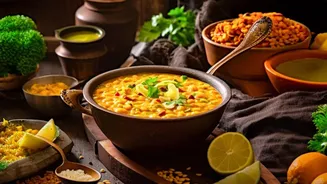
For those observing fasts, regular grains like wheat and rice are often substituted with specific 'vrat' or fasting flours. Buckwheat flour (kuttu ka atta), water chestnut flour (singhara atta), and amaranth flour (rajgira) become the go-to choices for making puris, parathas, and rotis. Barnyard millet (samak ke chawal) is a popular substitute for rice, used to make pulao or a creamy kheer. Another fasting superstar is sabudana (tapioca pearls), used to prepare comforting dishes like khichdi and vada, providing a quick source of carbohydrates and energy. These alternatives are not only compliant with fasting rules but are also gluten-free and light on the digestive system.